


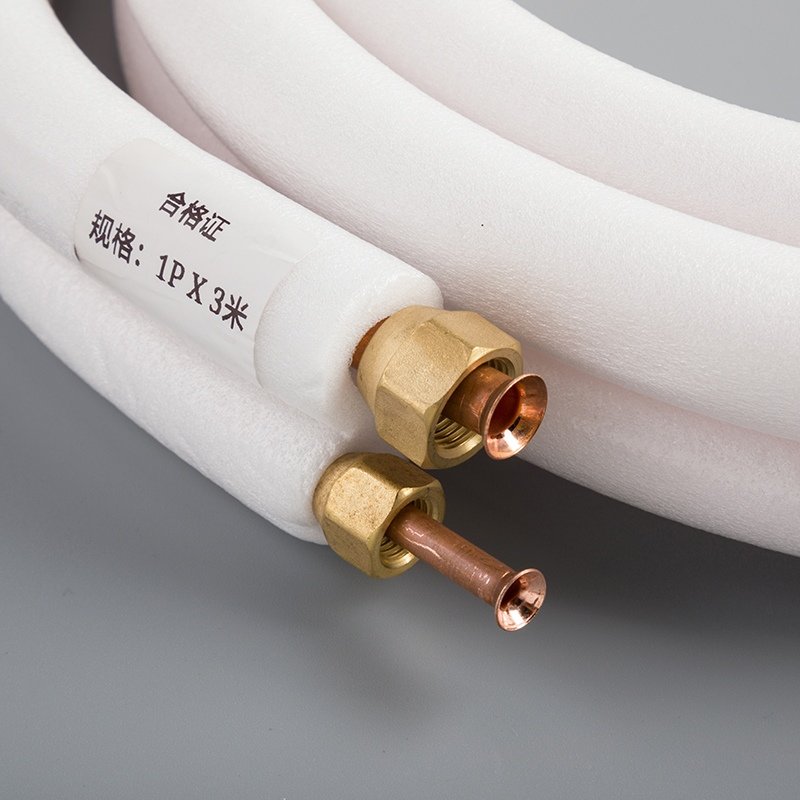
When people think about heating and cooling performance, they often focus on equipment size, thermostat settings, or maintenance schedules. One underappreciated factor is the refrigerant line set the paired tubing that carries refrigerant between the outdoor unit and the indoor coil. Line sets may look simple from the outside, but their diameter, length, layout, insulation, and installation practices can shape how quietly, efficiently, and reliably a system runs. Whether you are planning a new install, replacing an aging air conditioner or heat pump, or evaluating a mini-split layout, understanding the role of line sets can help you avoid common pitfalls and preserve long-term performance.
What a Refrigerant Line Set Does
A refrigerant line set typically consists of two copper tubes: a larger suction (vapor) line that carries low-pressure refrigerant gas back to the compressor and a smaller liquid line that sends high-pressure liquid refrigerant toward the indoor coil. Together, they complete the system’s closed loop, allowing heat to move out of (or into) the conditioned space. Because the refrigerant must stay clean, dry, and contained, the line set’s integrity and configuration affect much more than looks they influence pressure drop, oil return, compressor workload, and even noise levels. For readers comparing product options or component layouts, resources like https://ad.engineering/linesets/ can help you see how technical choices align with practical installation constraints.
Small routing choices can have big outcomes. Tight bends can restrict flow; long horizontal runs without adequate slope can hinder oil returning to the compressor; excessive elevation changes can add lift requirements and alter charge calculations. Even if the equipment is perfectly selected, a poorly conceived line set can chip away at the expected efficiency and cause intermittent comfort issues that are hard to diagnose later.
Sizing, Length, and Layout Considerations
Proper tube diameter minimizes pressure drop while ensuring reliable oil return to the compressor. Oversized suction lines can slow oil return in some conditions, while undersized liquid lines can starve the evaporator. Manufacturers publish approved sizes for given capacities and distances; following those charts is one of the simplest ways to safeguard performance. Similarly, total equivalent length which includes straight runs plus “added length” for each fitting and bend affects refrigerant charge, compressor load, and, in some cases, capacity. Keeping runs as short and as direct as the building layout allows is typically best.
Elevation matters too. If the outdoor unit is below the indoor coil, the liquid line sees gravitational assistance, but the suction line must lift vapor back up to the compressor; the reverse is true when the outdoor unit is elevated. Installers use traps and risers, along with manufacturer guidance, to maintain reliable oil return and stable operation across vertical changes. Thoughtful routing that avoids unnecessary elevation swings, minimizes kinks, and respects minimum bend radii helps keep the system balanced and quiet.
Material, Insulation, and Protection
Copper remains the standard material for most residential and light commercial line sets because it is formable, compatible with common refrigerants, and brazes well. Soft copper is often used where sweeping bends and on-site forming are needed, while hard-drawn copper may be selected for straight, exposed sections. Whichever you use, keep the tubing clean and capped until installation to prevent debris from entering. Contaminants and moisture can react with refrigerant and lubricants, creating acids or sludge that threaten sensitive components.
Insulation quality on the suction line directly affects efficiency and condensation control. Closed-cell insulation with a continuous vapor barrier helps prevent moisture intrusion that can lead to dripping, mold risk, and long-term insulation breakdown. In sunny or harsh climates, UV-resistant jacketing or line-set covers protect foam from degradation. Where lines pass through walls or roofs, properly seal penetrations to block water and pests, and add protective covers where mechanical damage is possible. Many modern covers also offer a cleaner appearance and simplify future service access.
Installation Practices That Prevent Failures
Sound brazing, purging, and evacuation practices are central to a healthy system. Purging with dry nitrogen while brazing displaces oxygen to reduce internal oxidation (black scale), which can otherwise travel into valves and metering devices. After assembly, pressure testing with nitrogen and using approved leak-detection methods help confirm tightness before evacuation. Pulling a deep vacuum to remove air and moisture is not just a formality moisture can react with lubricants, and non-condensables can raise head pressure, stealing efficiency and stressing the compressor.
Mini-split and some multi-split systems often rely on flare connections instead of brazed joints. Here, cleanliness, correct flare depth and angle, and proper torque using a calibrated wrench are critical. Overtightening can crack the flare; undertightening invites leaks. For replacements, reusing existing line sets is sometimes allowed, but only when the existing tubing is compatible in size and condition, and after thorough cleaning or flushing per equipment guidance. In many cases, replacing questionable lines saves time and cost down the road by preventing restrictions, leaks, or cross-contamination.
Maintenance, Troubleshooting, and When to Upgrade
While line sets are passive components, they can signal problems. Signs include oily residue at joints (a likely leak), deteriorating or waterlogged insulation, or banging and whistling sounds during operation that may stem from rubbing or kinks. During routine service, inspecting insulation integrity, ensuring secure supports, and checking that lines are not vibrating against building elements can prevent premature wear. If the system shows performance drift poor humidity control, longer run times, or unusual pressures technicians will often verify line set sizing and look for hidden restrictions or damage as part of diagnostics.
Upgrades come into play during equipment replacements, building renovations, or when converting to different system types. If project goals include better efficiency, quieter operation, or support for heat pump heating in colder climates, a fresh line set sized and routed for the new capacity and refrigerant can be a smart investment. Even when reuse is technically possible, correcting past layout compromises, improving insulation, and adding protective covers can yield tangible comfort and reliability benefits.
Planning for Refrigerant Transitions and Future Flexibility
The HVAC industry continues moving toward lower global-warming-potential refrigerants. While copper line sets remain common, future-ready planning means paying closer attention to manufacturer requirements for tube cleanliness, approved diameters, and compatible connection types. Good installation hygiene clean cuts, capped ends, nitrogen purging, verified evacuation matters even more when new refrigerants and lubricants have tighter moisture and contamination tolerances. If you anticipate equipment changes in the next remodel cycle, consider accessible routing and covers that make inspection and replacement easier later.
Done well, a refrigerant line set becomes the quiet enabler of comfort: out of sight, efficient, and durable. Focus on correct sizing and routing, protect the suction line with continuous vapor-barrier insulation, use careful brazing and evacuation practices, and plan for safe service access. Those fundamentals preserve capacity, reduce compressor strain, and keep operating sounds and energy use in check. When paired with equipment matched to thehome’ss load, a well-designed line set helps ensure the system you buy is the system you actually experience season after season.
