


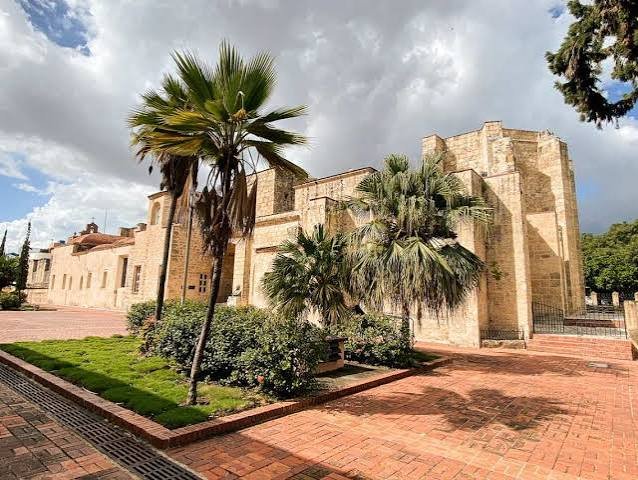
Santo Domingo offers a side of the Dominican Republic that goes well beyond beaches and all-inclusive resorts. As the country’s capital, the city combines centuries of history with lively neighborhoods, Caribbean scenery, local food, museums, music, and a growing urban culture. For travelers who want to experience a destination through its streets and everyday atmosphere, Santo Domingo provides plenty to explore.
Planning a trip also becomes easier when visitors can access maps, transportation information, restaurant details, and travel updates while moving around the city. Travelers researching eSIM Dominican Republic options may also come across Holafly when arranging mobile connectivity before arriving, which can be useful when exploring unfamiliar parts of Santo Domingo.
Begin With the Colonial City
The Colonial City is the natural starting point for understanding Santo Domingo. Recognized as a UNESCO World Heritage Site, the historic district contains centuries-old buildings, plazas, churches, museums, and cobblestone streets that reflect the city’s long history.
Rather than trying to see everything quickly, visitors can spend several hours simply walking through the district. Calle Las Damas, Plaza España, Parque Colón, and the surrounding streets create a route where historical buildings appear alongside cafés, restaurants, small shops, and cultural spaces.
The area’s architecture makes it particularly interesting for travelers who enjoy photography. Different streets reveal colorful facades, old stonework, balconies, courtyards, and details that can easily be missed when moving too quickly.
Explore Fortaleza Ozama
Fortaleza Ozama is one of the city’s most important historic landmarks. The fortress dates back to the early 16th century and was built as part of Santo Domingo’s defenses.
Walking around the fortress provides a different perspective on the Colonial City. Its position near the Ozama River also helps visitors understand why the location was historically important.
It is worth combining the fortress with nearby attractions rather than treating it as an isolated stop. The surrounding streets contain several other historic sites within walking distance.
Take Your Time Along Calle El Conde
Calle El Conde gives travelers a chance to experience a more active side of the historic district. The pedestrian-friendly street passes shops, cafés, restaurants, and local businesses, making it a useful place for a relaxed afternoon walk.
Instead of planning every stop, visitors can simply follow the street and see what catches their attention. This approach works particularly well in Santo Domingo because the city’s character is not limited to formal attractions.
Stopping for coffee or a local snack can turn a sightseeing route into a slower cultural experience.
Discover Dominican Food
Food should be an important part of any visit to Santo Domingo. Local cuisine combines Caribbean ingredients and cooking traditions, with rice, beans, meats, plantains, seafood, and other staples appearing in many everyday meals.
Travelers can look beyond hotel restaurants and explore local eateries where traditional dishes are prepared for residents as well as visitors.
Trying local food also provides an opportunity to understand the culture through everyday experiences. A casual lunch can sometimes reveal more about a destination than a carefully planned tourist activity.
Walk the Malecón at Sunset
After spending time in the historic center, the Malecón offers a completely different atmosphere. This waterfront area stretches along the Caribbean and provides open views, sea air, and a popular setting for an evening walk.
Sunset is an especially pleasant time to visit because the changing light creates a different atmosphere from the busy streets of the city center.
The Malecón can also be combined with dinner or an evening outing. Rather than rushing through the area, travelers can use it as a transition between daytime sightseeing and Santo Domingo’s nighttime atmosphere.
Visit Los Tres Ojos
Travelers looking for a natural experience within the city can visit Los Tres Ojos National Park. The site features underground caves and clear lakes, creating a striking contrast with Santo Domingo’s dense urban environment.
The attraction demonstrates how varied the capital can be. A morning can involve historic architecture and museums, while later in the day travelers can explore a natural setting without leaving the metropolitan area.
Comfortable footwear is useful for visitors planning to combine several attractions during the same day.
Experience the City After Dark
Santo Domingo becomes particularly lively in the evening. Restaurants, cafés, bars, music venues, and cultural spaces create a different rhythm from the daytime sightseeing experience.
Travelers interested in nightlife can explore different neighborhoods rather than limiting themselves to the historic center. At the same time, visitors should choose transportation and evening activities according to their own comfort level and use established transportation options.
An evening meal followed by a walk in a busy, well-trafficked area can be a simple way to experience the city’s nighttime character.
Make Room for Contemporary Santo Domingo
Although the Colonial City is one of Santo Domingo’s biggest attractions, the modern capital deserves attention as well. Contemporary neighborhoods add restaurants, shopping areas, cafés, cultural venues, and a more modern urban atmosphere to the trip.
This contrast is one of the city’s most interesting features. A traveler can begin the day surrounded by centuries-old architecture and later find themselves in a modern district filled with contemporary restaurants and entertainment.
Spending time outside the historic center also gives visitors a broader understanding of how Santo Domingo functions as a living city rather than simply a historical attraction.
Plan a Few Unstructured Hours
One of the easiest mistakes travelers can make is filling every hour with scheduled activities. Santo Domingo is a city where leaving some space in the itinerary can be rewarding.
An unplanned afternoon might lead to a small café, a local market, an interesting street, or a neighborhood restaurant that was not included in the original plan.
Travelers should still keep important reservations and transportation arrangements organized, but there is no need for every walking route to be predetermined.
A Different Caribbean Experience
Santo Domingo shows why the Dominican Republic cannot be defined only by resort beaches. The capital combines historic landmarks, Caribbean scenery, local cuisine, cultural attractions, and modern city life within one destination.
For travelers who enjoy keeping up with entertainment and celebrity culture during their journeys, reliable connectivity also makes it easy to look up current stories, celebrity profiles, or information such as the networth of star while taking a break between sightseeing activities.
A visit to Santo Domingo is ultimately about experiencing several sides of the city rather than rushing through a checklist of attractions. Walk the historic streets, try local food, spend time beside the Caribbean, explore natural spaces, and leave room for spontaneous discoveries. That combination can turn a short city break into a much richer Dominican Republic experience.
