


Most people do not need a textbook. They need a clear way to make the next good choice. This guide looks at a clear property inventory can prevent deposit disputes: here is how. It is written for landlords, letting agents and tenants. The aim is to create a clear shared record of property condition that reduces later disagreement. You do not need specialist knowledge to use the main ideas. Notice the right signs, keep the useful facts, and know when to ask for expert help.
Start with what you can see. Note what changed and what still works as normal. If a safe basic check fits the case, try it once. If the cause is hidden or the risk is high, stop there and get the right help. Ask what was found before you agree to a bigger step.
A short record also helps later. Note the date, the main issue, what was done and whether any follow-up is due. That is often enough. If the problem returns, you can compare the new case with the old one instead of starting again.
Make check-in and check-out easy to compare
Good decisions start with a clear picture of what is happening. A dispute is easier to assess when both reports use the same order. Use room-by-room descriptions and matching photos. For example, a new wall mark is compared with the original check-in image. Keep the first safe action as simple as possible. Do not add cost or disruption without a reason. Move to a bigger step only when the facts support it. When safety, health or legal risk is involved, trained help matters more than guesswork.
Record existing wear clearly
This is a simple step, but it can prevent a much bigger problem later. Small marks at the start matter later. Use neutral words and close-up photos. For example, a chip in a worktop is logged before the tenant moves in. Write down the part that another person would need to know. Leave guesses out of the note. Facts make a later handover much easier. Ask for a plain explanation if a term or recommendation is not clear.
Allow a fair review window
The best answer here is usually the one that fits the evidence. Tenants should be able to flag genuine errors early. Use a clear sign-off and amendment process. For example, a missed stain is added during the check-in review. Make the next task clear before you move on. Give it to the right person and set a time to review it. This stops good advice from being forgotten. Plain language makes it easier for everyone involved to follow the same plan.
When outside help is the right next step, compare the service with the problem you actually have. Smart Inventory describes its work as property inventory provider serving London and the South East with inventory, check-in, check-out and mid-term reporting services. One place to review that service is property inventory London. Read the service information, then ask what is included for your own case. A clear answer should tell you what will happen first and what may need a later step.
Use the same room route each time
This part is easy to miss when people are in a hurry. For a clear property inventory can prevent deposit disputes: here is how, a repeatable order makes reports easier to compare. Move through each room in the same direction and list the same types of items. For example, check-out photos can be matched to check-in photos quickly. Think about who or what may be affected if the issue gets worse. That tells you how quickly you need to act. High-risk cases should not wait for trial and error. Think about one realistic way to reduce the chance of the problem coming back.
Separate condition from opinion
The key is to deal with the cause, not only the visible symptom. A clear property inventory can prevent deposit disputes: here is how should describe what is visible without guessing who caused it. Use neutral words such as marked, chipped, worn or clean. For example, a report says “small chip to tile edge” instead of blaming a tenant. Avoid changing several things at the same time. One clear step gives you a clearer result. That result can rule options in or out. If the picture changes, change the plan instead of forcing the old one.
Link each photo to a report item
This is where a short check can make the rest of the job much easier. Photos in a clear property inventory can prevent deposit disputes: here is how are most useful when the reader knows exactly what they show. Use captions, item numbers or a clear order. For example, a close-up scratch is tied to the correct kitchen worktop entry. Check whether the first action actually changed the problem. A fix should have a result you can see or measure. If nothing changes, review the cause instead of repeating the same step. A named owner and a review date can stop the task from being missed.
Agree the amendment window
A calm check here can save wasted time and unnecessary work. Early corrections make a clear property inventory can prevent deposit disputes: here is how fairer for everyone. Give the tenant or agent a clear time to flag a genuine missing item or mark. For example, an overlooked wall mark is added to the signed check-in record. Ask whether the same issue has happened before. A repeat pattern may point to a deeper cause. Share that history if you call an expert. A photo can help when location or visible condition is important.
Allow time for review
This point matters because small clues can shape the whole next step. A tenant should have a fair chance to read the report and raise genuine corrections. Use a clear process for comments and sign-off. For example, a missed mark is added at the start rather than disputed months later. Compare the current sign with what is normal. If more than one thing has changed, note that too. Use the pattern to guide the next check. A short note is enough when it captures the point that matters.
It is also useful to prepare a few questions before you call or book. Check the scope, likely process, any limits, and what information the provider needs from you. You can use Smart Inventory as another reference point for the service described here. The final choice should still be based on the facts of your own case, not on a headline alone.
Consider fair wear and tear
Good decisions start with a clear picture of what is happening. Not every change is damage. Age, quality, length of tenancy and normal use matter. Avoid expecting an older item to return in brand-new condition. For example, light carpet wear after a long tenancy is assessed differently from a burn mark. Keep the first safe action as simple as possible. Do not add cost or disruption without a reason. Move to a bigger step only when the facts support it. Use the least disruptive option that safely fits the evidence.
Record condition, not just contents
This is a simple step, but it can prevent a much bigger problem later. A good inventory shows what is present and the condition it is in. Use clear notes and photographs for walls, floors, furniture, fittings and appliances. For example, a small carpet stain is recorded at check-in instead of argued about later. Write down the part that another person would need to know. Leave guesses out of the note. Facts make a later handover much easier. Past records can be very useful when the same issue returns.
Capture meter readings and keys
The best answer here is usually the one that fits the evidence. Small details can become important at tenancy changeover. Record available readings, key counts and other handover items. For example, both parties know how many entrance keys were supplied. Make the next task clear before you move on. Give it to the right person and set a time to review it. This stops good advice from being forgotten. When safety, health or legal risk is involved, trained help matters more than guesswork.
Three Short Scenarios
Scenario 1: check-out happens after a long tenancy. Do not jump straight to the biggest fix. First, define the problem in plain words. Next, note any recent change that may matter. If there is a clear risk, skip trial and error. Use trained help and ask for the reason behind the next step.
Scenario 2: a tenant notices a mark after moving in. Start by checking the pattern. Is one thing affected or several? Has this happened before? Those answers can change the advice. Record the result after the first action so you know whether the situation is improving.
Scenario 3: a new tenancy starts in a furnished flat. Keep the response calm and ordered. Protect people first if there is a safety or health risk. Gather the useful facts next. Then choose the smallest step that can test the cause. Move to specialist help when a basic check is not enough.
Quick Checklist
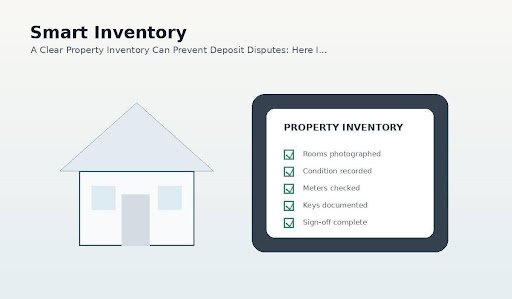
- Make check-in and check-out easy to compare: Use room-by-room descriptions and matching photos.
- Record existing wear clearly: Use neutral words and close-up photos.
- Allow a fair review window: Use a clear sign-off and amendment process.
- Use the same room route each time: Move through each room in the same direction and list the same types of items.
- Separate condition from opinion: Use neutral words such as marked, chipped, worn or clean.
- Link each photo to a report item: Use captions, item numbers or a clear order.
Putting the Advice Into Context
This guide is general. Exact needs vary by property, business, person and service. Smart Inventory is described on its website as property inventory provider serving London and the South East with inventory, check-in, check-out and mid-term reporting services. Use that description to understand the type of work offered, then confirm the current details directly before you rely on them. Ask for plain language when a term is not clear.
Final Thoughts
The main lesson from a clear property inventory can prevent deposit disputes: here is how is that a clear first step beats a rushed guess. Notice the signs, keep the useful facts and choose an action that matches the real problem. When the cause or risk is outside your knowledge, ask for trained help early.
Use this guide as a working list rather than a one-time read. Pick the two or three points that fit your case today. Take the next sensible step. Then review the result. Small, steady actions are often what prevent bigger problems later.
You do not need a complex system. A short checklist, a few records and a clear follow-up date are enough for many everyday cases. Those habits make it easier to create a clear shared record of property condition that reduces later disagreement. They also make future conversations with a service provider much more useful.
A Simple Follow-Up Plan
After the first action, set one point to review the result. For a clear property inventory can prevent deposit disputes: here is how, that might be later the same day, after a service visit, at the next monthly check, or when a clear sign changes. Write down what you expect to improve. This gives you a simple test of whether the step worked.
Keep the record short. Note the date, the main sign or issue, what was done and whether more work is needed. Add a photo, reading, invoice or report only when it helps. The purpose is to make the next decision easier, not to create paperwork for its own sake.
If the same issue comes back, compare the new case with the old one. Look for the same location, trigger, symptom or timing. A repeat pattern is useful evidence. Share it with the person helping you. That can save time and may point to a cause that was not obvious on the first visit.
Finally, decide who owns the next task. It may be you, a manager, a landlord, a clinician, a lawyer, a technician or another service provider. Give the task a clear date or trigger. A simple owner and date prevent useful advice from being forgotten.
