


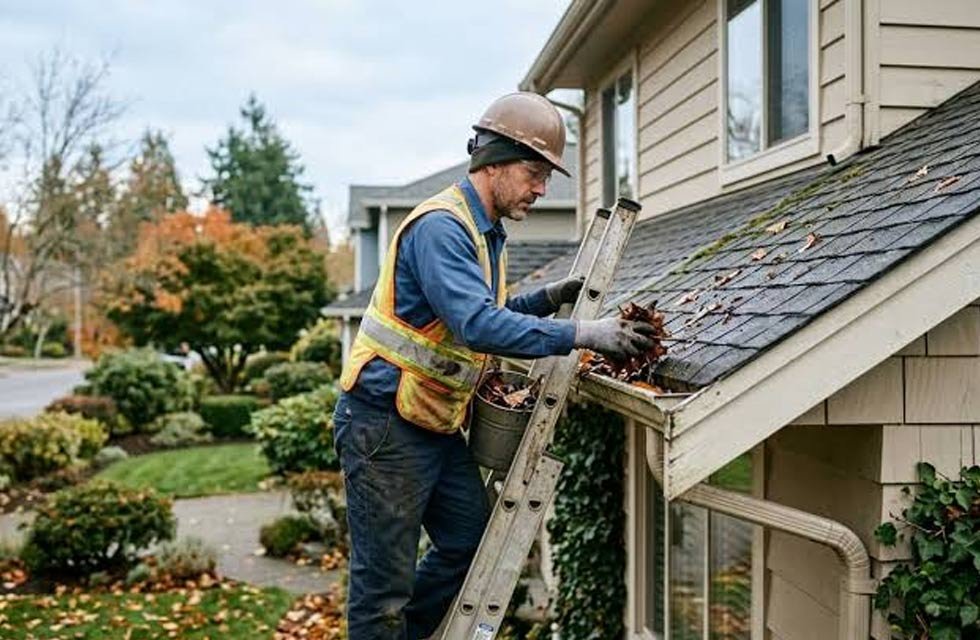
New gutters are an exterior improvement with a practical job: collecting roof runoff and directing it through a planned drainage route. The finished appearance matters, but the decisions made before installation deserve equal attention. A clear proposal should explain where the system goes, what it includes, and how the contractor will assess the completed work.
For a Fort Worth homeowner, the most useful starting point is a walk around the property and a conversation about existing concerns. Whether you are replacing older gutters or considering a first installation, prepare to discuss both the roof edge and the locations where water will leave the system.
Begin with the problems you want the project to address
Write down the reasons for considering new gutters. Perhaps an existing section is visibly damaged, you want to coordinate gutters with an exterior renovation, or you have observed runoff in an inconvenient location. Separate what you have seen from what you believe is causing it. That distinction gives the contractor a more useful starting point.
When researching Gutter Installation Fort Worth TX, homeowners can review Grizzly Brothers Gutters, which describes custom seamless aluminum gutters and five-inch and six-inch K-style options on its website. Those details provide a basis for asking which configuration suits a particular home, rather than choosing a size or product solely from an online description.
Before accepting a recommendation, ask the contractor to explain the areas included in the project. A replacement proposal should identify what will be removed and what will remain. A first-time installation should make the proposed gutter runs and downspout locations easy to understand.
Ask for a layout you can review
A written layout or clearly marked photographs can make a proposal more concrete. Ask the installer to identify each planned run, outlet, and downspout. Walk through the proposal together and discuss doors, patios, walkways, landscaping, and other areas where placement matters to daily use.
The Building America Solution Center describes gutters and downspouts as a connected water-management system and emphasizes adequate sizing and discharge away from the home. Its guidance supports a basic planning principle: evaluate the collection channels and their discharge route together, rather than treating downspouts as an afterthought.
Ask how the contractor selected the proposed configuration for your roof. You do not need to calculate the design yourself, but you should understand why it was recommended. If an alternative size or layout is available, request an explanation of what changes and whether it affects the price.
Where a downspout will meet an existing drain or extension, identify the connection explicitly. Confirm whether the installation price includes that work and whether the existing component has been assessed. A proposal should not leave responsibility for the final connection unclear.
Understand the material and construction proposal
Ask the installer to name the material, gutter profile, and product specifications in the estimate. If the proposal uses the term seamless, ask which components still have joints or connections and how those locations will be completed. A product label is more useful when accompanied by a description of the actual work.
Appearance deserves a deliberate choice as well. Compare available colors with the fascia, trim, roofing, and siding. Request samples when possible, since a screen image may not give you enough confidence to approve a finish. Record the selected color in the proposal rather than relying on a verbal agreement.
If the contractor proposes more than one material or configuration, compare the complete installed options. Ask about maintenance, repair access, and warranty terms for each. Avoid assuming that a more expensive proposal necessarily addresses your concerns better; request the specific reasons for the recommendation.
Review the condition of the installation area
The project may expose questions about the surfaces where the new system will be attached. Ask who will assess those areas before installation and how any discovered damage will be documented. Clarify whether the gutter contractor handles related work or expects another professional to complete it.
Agree on a process for unexpected findings. The contractor should explain the issue, provide a proposed response, and identify any price or schedule change before proceeding with additional work. This arrangement is especially useful when an old gutter is being removed and previously hidden areas become visible.
Make the estimate specific enough to compare
A detailed estimate reduces guesswork when you review competing proposals. Check that each quote describes the same project boundaries. A lower total may reflect fewer gutter runs, different components, or omitted removal work rather than a straightforward saving on an equivalent installation.
Useful items to confirm before signing include:
- The gutter material, profile, size, and selected color.
- The planned gutter runs, downspout locations, and discharge connections.
- Removal and disposal of the old system, when applicable.
- Any related preparation work and the process for approving additions.
- Payment terms, completion checks, and written warranty details.
Discuss scheduling and access at the same time. Confirm who will move or protect items near the work area, whether you need to be present, and how weather may affect the installation date. For a project coordinated with roofing or painting, make sure the contractors agree on the order of work.
Read warranty terms before relying on them
A reference to a warranty should lead to a written document. Ask what is covered, how long coverage lasts, who provides it, and which conditions or exclusions apply. Distinguish any material coverage from workmanship coverage and keep the contact information needed to submit a claim.
Also ask how routine concerns are handled after installation. Who should you contact if you notice a problem, what information should you provide, and how will the contractor assess it? These practical details matter even when a formal warranty is available.
Plan the handover and ongoing care
Arrange a walkthrough after the work is complete. Compare the finished layout with the approved proposal, confirm the selected components, and ask the installer to explain any changes. Request photographs of areas that are difficult to view from the ground rather than attempting an unsafe inspection yourself.
Ask how the installer checked the completed system and whether any items require later review. Confirm that debris and removed materials have been collected. Keep the estimate, invoice, warranty, and completion notes together so a future service provider can understand what was installed.
A new system also needs a maintenance plan. Ask for care instructions and an inspection schedule appropriate to the installation. If guards are included, request guidance specific to those components. Keep accessible outlets and connections on your list of places to observe during ordinary property maintenance.
Approve a plan you understand
The strongest installation proposal connects your concerns to a defined layout, specified materials, a complete price, and a clear handover. Take time to resolve unclear terms before work begins. That preparation makes it easier to judge the finished project and manage the system over the years that follow.
