


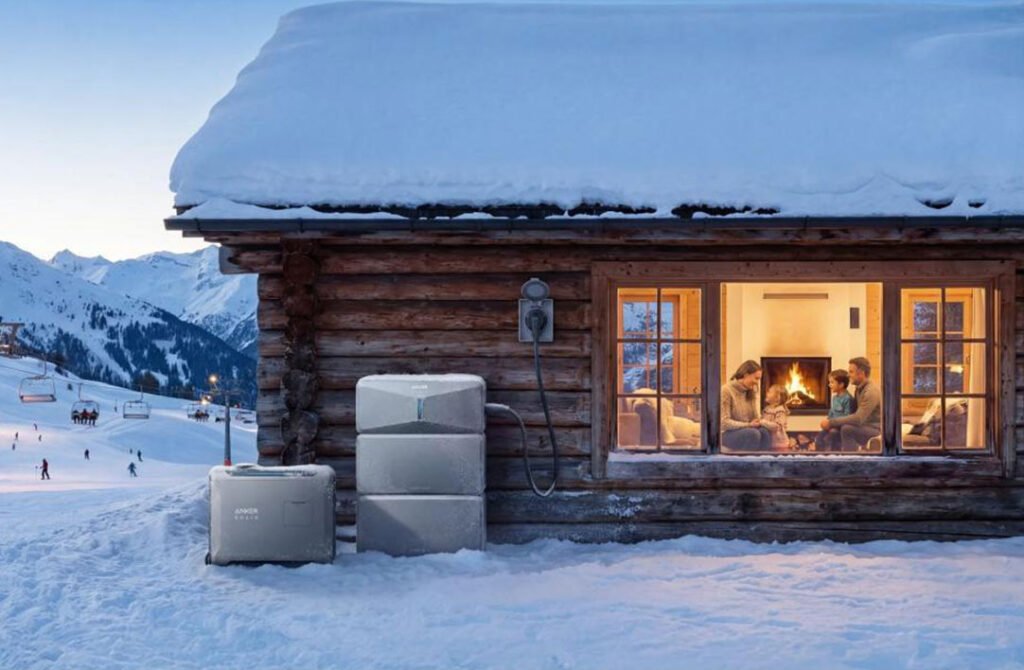
A home battery can keep heat running during snowstorms when the system is sized for your heating equipment, your runtime goals, and the other essentials you need during an outage. The key question is not whether a battery works in winter, but whether its output can start the heating load and whether its stored energy can sustain that load through the night. Snowstorm backup planning should focus on real household demand, not rough guesswork. With the right setup, a battery can protect comfort, prevent frozen pipes, and keep critical systems operating safely through grid failures.
What Determines Whether a Battery Can Run Your Heat?
Heating System Type Changes the Power Requirement
Your heating system determines how demanding backup power will be. A gas furnace usually needs electricity for the blower, controls, and ignition, so its electrical draw may be manageable for a battery. An oil furnace has similar backup needs. Many boilers also use modest power for pumps and controls. Electric resistance heat, baseboards, and large central electric systems typically require far more energy and may drain storage quickly. Heat pumps fall in between, but startup demand and cold-weather performance still matter. Before choosing backup capacity, identify the exact heater type and its running wattage and startup load.
Battery Output Must Handle Peak Heating Demand
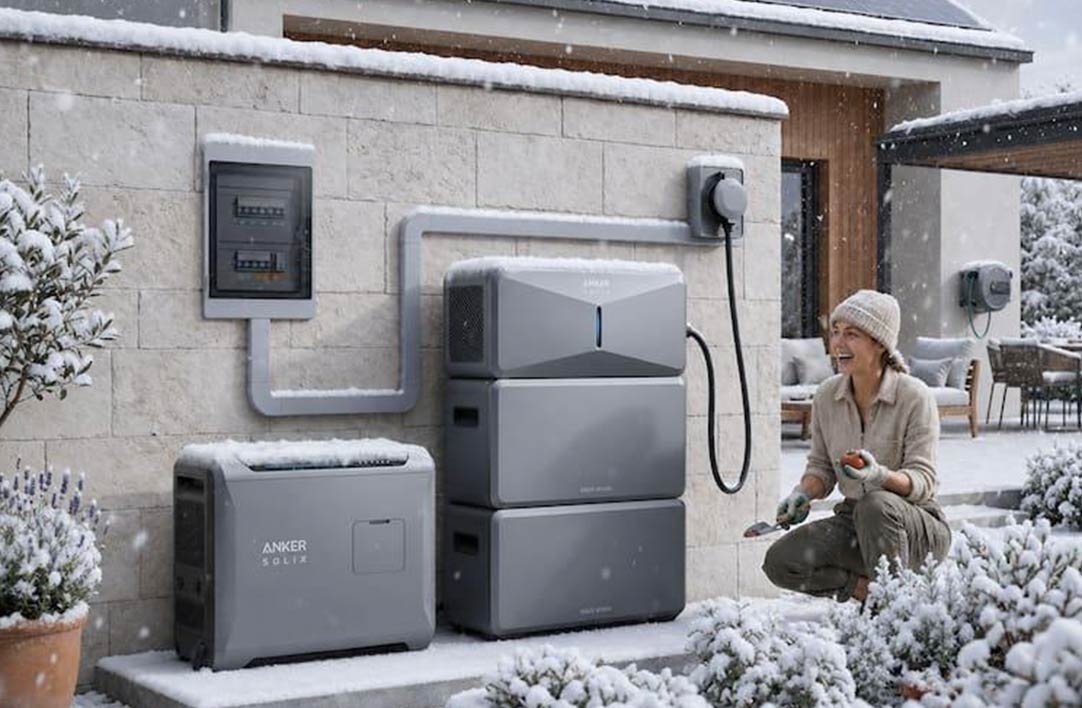
Battery capacity tells you how long power can last, but output determines whether the system can run the heater at all. Heating equipment often needs a brief surge at startup, especially blowers, compressors, and pumps. If battery output is too low, the system may shut down even when stored energy remains. That is why homeowners should match both continuous and peak power to the heating load. For larger backup needs, Anker SOLIX E10 whole-home backup offers 10-30 kW turbo output, 6-90kWh battery expandability, and 9-27kW solar input, giving more flexibility for demanding heating circuits.
Plan Battery Runtime for a Snowstorm Outage
Estimate How Often the Heating System Runs
Runtime planning starts with heating cycles, not just nameplate wattage. During a snowstorm, your system may run much more often than on a mild winter day, especially overnight when temperatures fall and wind increases heat loss. Checking how much will it snow in your area can also help estimate how severe conditions may become and how heavily heating systems might be used. Estimate the average run time per hour, then multiply that by the system’s electrical draw to approximate energy use. A furnace that runs 15 minutes each hour uses far less stored energy than one running 45 minutes each hour. Improving insulation, sealing drafts, and lowering the thermostat slightly can reduce cycling and stretch battery runtime during a prolonged outage.
Include Refrigeration, Lighting, and Other Essentials
Heating is rarely the only load you need during a snowstorm outage. Most homes also need the refrigerator, a few lights, internet equipment, phone charging, and possibly a sump pump or medical device. These smaller loads add up over many hours and can meaningfully reduce heating runtime if you ignore them. Build your backup plan around essential circuits rather than the whole house unless your system is designed for full-home coverage. A realistic outage estimate should include both average energy consumption and short bursts of higher demand when several devices switch on at once.
Reserve Capacity for Overnight Heating
Overnight heating deserves special attention because coldest conditions often arrive after sunset, when solar production drops to zero. If your battery is heavily used during the day, you may not have enough stored energy left for the most important hours. A smart backup plan sets aside reserve capacity specifically for nighttime heating, pipe protection, and critical appliances. Some systems simplify this by preparing ahead of storms. Anker SOLIX E10 proactively monitors severe weather and charges itself to full capacity using solar and grid power, helping homeowners enter an outage with more usable energy already available.
Make Backup Heat Last Through the Storm
Reduce Unnecessary Household Loads
The fastest way to make backup heat last longer is to cut nonessential consumption. Turn off high-draw appliances such as electric dryers, ovens, dishwashers, and space heaters unless they are absolutely necessary. Limit lighting to occupied rooms and use efficient bulbs. Unplug entertainment devices and chargers that are not needed. Keep exterior doors closed and reduce thermostat setbacks that force the heater to work harder later. If your electrical panel supports load management, prioritize the furnace or boiler circuit first. Every avoided kilowatt-hour helps preserve stored energy for warmth, food safety, communications, and overnight resilience.
Use Expandable Storage for Longer Outages
Snowstorm outages can last longer than a single evening, so expandable storage is valuable when heating must remain available for many hours or several days. Adding battery capacity increases the total energy reserve, which is often more important than adding small convenience devices elsewhere in the home. Expandability also lets homeowners start with a smaller system and scale up as winter backup needs become clearer. Pairing battery storage with available solar can further extend endurance when conditions allow generation. The best long-outage setup balances enough output for heating startup with enough stored energy for sustained use.
Conclusion
A home battery can keep heat running during snowstorms when the system is matched to the heating equipment and sized for realistic outage conditions. Start by identifying your heater’s electrical demand, including startup surge. Then calculate how long it will run during severe weather and add refrigeration, lighting, and other essentials. Reserve enough stored energy for overnight heating, when comfort and pipe protection matter most. To extend runtime, reduce unnecessary loads and consider expandable storage for multi-day storms. With careful planning, a battery backup can provide dependable winter resilience and keep your home safer, warmer, and more functional.
