


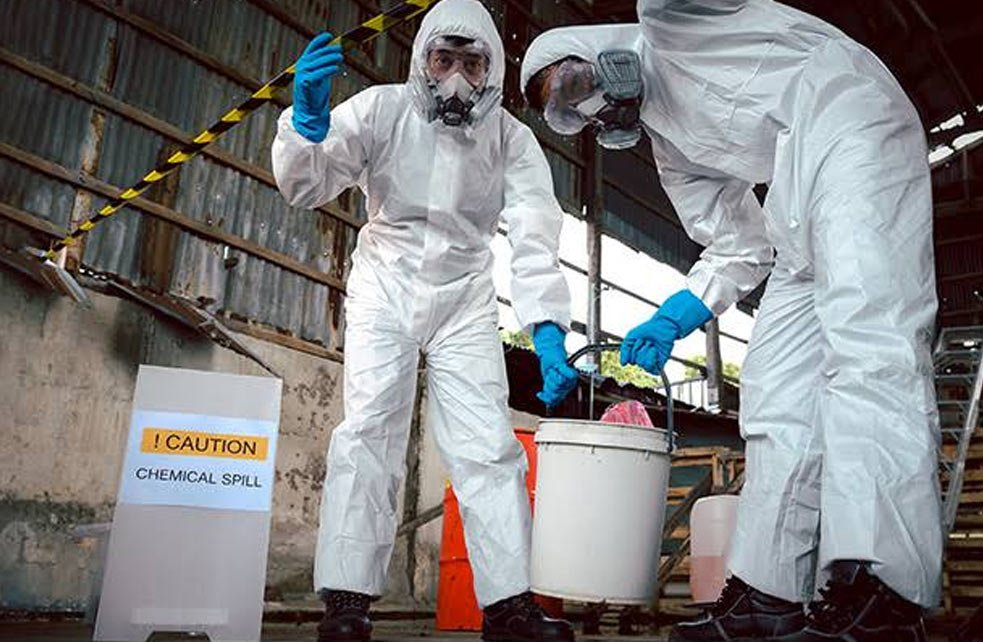
Biohazard situations can create serious challenges for property owners because they often involve more than ordinary cleaning. Events involving biological contamination may affect floors, walls, furniture, personal belongings, and other surfaces, requiring careful assessment and specialized handling. Whether the situation results from an accident, unattended death, trauma, sewage contamination, or another event involving potentially hazardous biological materials, the affected property should be approached with appropriate precautions. Professional biohazard cleanup services are designed to address contaminated environments through controlled cleaning, removal of affected materials when necessary, sanitation, odor management, and restoration support. A structured response can help property owners manage a difficult situation while reducing the possibility that contamination is left behind in areas that are not immediately visible.Unlike routine cleaning, biohazard restoration requires attention to the type of contamination involved and the materials that have been affected. Biological materials can penetrate porous surfaces and reach areas beneath flooring, behind walls, inside furniture, or within other concealed spaces. A surface that appears clean may still require additional evaluation if contamination has traveled below the visible area. Professional technicians use appropriate protective procedures and specialized cleaning methods based on the circumstances of the incident. The objective is not simply to improve the appearance of the property but to properly address affected materials and support the restoration of the environment.
Understanding Biohazard Situations
A biohazard situation can involve biological substances that require special handling because of the potential risks associated with contamination. These situations may result from traumatic events, accidents, unattended deaths, sewage backups, animal contamination, or other incidents involving biological materials. The exact restoration process depends on the nature of the event and the type of surfaces or materials that have been affected. Hard, nonporous materials may sometimes be cleaned and disinfected using appropriate procedures, while porous materials can absorb contamination and may require removal when they cannot be effectively restored.Property owners should avoid treating a serious contamination event as an ordinary cleaning task. Household cleaning products may not be appropriate for every situation, particularly when biological materials have entered porous surfaces or concealed areas. Professional evaluation can help determine the scope of the affected environment and identify materials that require specialized attention. A controlled approach can also help reduce the possibility of spreading contamination into unaffected portions of the property during the cleanup process.
Why Professional Cleanup Is Important
Professional biohazard cleanup focuses on addressing contamination using procedures that are appropriate for the affected environment. Technicians may assess the property, establish controlled work areas, wear appropriate personal protective equipment, remove contaminated materials, clean affected surfaces, and perform disinfection or sanitation procedures based on the circumstances. The work may also include identifying contamination that is not immediately visible, particularly when biological materials have entered flooring, furniture, wall cavities, or other porous materials.The need for professional assistance is especially important because contamination can extend beyond the area where the incident occurred. Fluids and other materials may travel through flooring, underneath furniture, or into surrounding building components. Attempting to clean only the visible surface can leave affected materials behind. Professional restoration teams can evaluate the condition of the property and determine which materials can be treated and which may require controlled removal and replacement as part of the overall restoration process.
A Careful Assessment of the Affected Area
A detailed assessment is an important first step in responding to a contaminated property. Restoration professionals evaluate the affected area and consider how far contamination may have spread. The visible condition of a surface does not always reveal what is happening beneath it. Carpeting, padding, upholstery, drywall, insulation, wood, and other porous materials may require closer evaluation because biological materials can penetrate beyond the surface layer.During the assessment process, professionals can identify areas that require cleaning, sanitation, removal, or additional restoration. The layout of the property and the location of affected materials are also considered when establishing a work plan. A careful assessment can help avoid overlooking hidden contamination and supports a more organized restoration process. The information gathered during this stage can guide decisions about containment, material handling, cleaning procedures, and eventual repairs.
Containment and Protection of Unaffected Areas
One important goal during professional cleanup is reducing unnecessary exposure of unaffected portions of the property. Depending on the situation, restoration professionals may establish controlled work areas and use appropriate containment procedures while handling contaminated materials. Personal protective equipment may also be used to support safe working practices during the cleanup process.Protecting surrounding areas can be particularly important when contaminated materials need to be removed. Moving damaged flooring, drywall, furniture, or other items without appropriate precautions may spread contamination into other parts of the building. A professional approach focuses on managing the work area carefully and handling affected materials in a controlled manner. Once contaminated materials have been addressed, the surrounding space can be cleaned and evaluated as part of the broader restoration process.
Cleaning and Sanitizing Affected Surfaces
The cleaning process depends on the type of surface and the nature of the contamination. Hard, nonporous materials may require specialized cleaning and disinfection procedures, while porous materials may need to be evaluated to determine whether they can be effectively restored. The goal is to address the actual affected materials rather than simply treating the visible surface.Professional technicians may use equipment and products appropriate for the restoration task and follow established procedures for handling biological contamination. Cleaning may also involve multiple stages when the affected area requires removal of visible materials, treatment of underlying surfaces, and additional sanitation. Once cleaning has been completed, the area can be prepared for further restoration work if repairs or material replacement are necessary.
Handling Contaminated Materials
Some materials may be too heavily affected to restore and may require removal. Carpeting, padding, upholstery, insulation, drywall, and other porous materials can absorb biological contamination and may not always be suitable for ordinary cleaning methods. A professional assessment can help determine the appropriate course of action for each material.Controlled removal is important because contaminated materials should be handled in a manner that limits unnecessary exposure and reduces the possibility of spreading contamination. After affected materials are removed, underlying surfaces can be evaluated and cleaned as appropriate. This process can create a cleaner foundation for later repairs and reconstruction.
Addressing Odors After a Biohazard Event
Odors can remain after an incident because biological materials and residues may affect porous materials and concealed areas. Simply masking an odor with fragrances may not address the underlying source. Effective odor management begins with identifying and removing or treating the materials responsible for the odor. Cleaning affected surfaces and properly addressing contamination can help reduce persistent odors.In some situations, additional odor-control procedures may be necessary after the primary cleanup has been completed. The appropriate approach depends on the type of materials affected and the extent of the incident. A professional restoration provider can evaluate the property and determine whether further treatment is needed before repairs or normal use of the area can continue.
Restoration of Residential Properties
Biohazard incidents can be particularly difficult for homeowners because affected areas may include bedrooms, bathrooms, living rooms, hallways, garages, and other personal spaces. The situation can be emotionally overwhelming in addition to creating practical concerns about cleaning and property restoration. Professional services can help remove some of the burden by managing the technical aspects of the cleanup and providing an organized restoration process.Once the affected materials have been properly addressed, additional work may be necessary to restore the appearance and function of the space. This can involve replacing flooring, repairing drywall, repainting surfaces, or completing other reconstruction work depending on the condition of the property. A structured approach allows the restoration process to move from initial cleanup toward returning the space to normal use.
Biohazard Cleanup for Commercial Properties
Commercial properties can also require specialized cleanup after incidents involving biological contamination. Offices, retail spaces, warehouses, apartment communities, and other business environments may need professional services to address affected areas while protecting employees, customers, and other occupants. Restoration planning may include controlling access to the affected area, protecting surrounding spaces, cleaning and sanitizing materials, and coordinating necessary repairs.Businesses may also need to manage operational concerns during the restoration process. Depending on the location and extent of the contamination, it may be possible to focus cleanup efforts on the affected area while other portions of the property remain separate. Clear communication and an organized restoration plan can help property managers make informed decisions about the steps required before the space returns to normal use.
The Importance of Privacy and Respect
Many biohazard situations occur during emotionally difficult circumstances. A professional restoration provider should approach the work with discretion, respect, and sensitivity. Property owners and families may be dealing with a traumatic event while also facing practical concerns about the condition of the building. A respectful restoration team can help reduce some of the stress by managing the cleanup process professionally and communicating clearly about the work being performed.Privacy is also an important consideration during sensitive restoration projects. The goal should be to complete the necessary work without creating unnecessary attention or disruption. Professionalism, discretion, and respectful communication can make a meaningful difference for individuals dealing with an unexpected and difficult situation.
Coordinating Cleanup and Property Repairs
Biohazard restoration may involve more than cleaning because affected materials can require removal and replacement. Once contamination has been properly addressed, the property may need repairs to restore its appearance and function. Flooring, drywall, insulation, trim, cabinetry, or other building materials may need to be repaired or replaced depending on the extent of the damage.Coordinating cleanup and reconstruction can help create a smoother restoration process. The affected area should be properly addressed before permanent repairs are completed so that new materials are not installed over unresolved contamination. Once the cleanup phase is finished, reconstruction can focus on returning the property to a usable and comfortable condition.
Choosing a Professional Restoration Provider
Selecting a qualified restoration provider is an important decision when a property has been affected by biological contamination. Property owners should look for a company that understands the specialized nature of these situations and approaches each project with professionalism and care. Experience with contamination cleanup, sanitation, affected-material removal, odor management, and property restoration can be valuable when multiple stages of work are required.Clear communication is also important throughout the process. Property owners should understand what areas are affected, what work is being recommended, and whether materials may need to be removed or replaced. A professional provider should be prepared to explain the restoration process while treating the situation with the sensitivity and discretion it deserves.
Returning the Property to a Functional Condition
The goal of professional biohazard cleanup is to address the affected environment thoroughly and support the process of restoring the property. This may involve assessing the contamination, establishing controlled work areas, removing affected materials, cleaning and sanitizing surfaces, addressing odors, and preparing the space for necessary repairs. Every situation is different, so the exact restoration process depends on the nature of the incident and the condition of the affected materials.A comprehensive approach helps ensure that restoration focuses on more than the visible signs of contamination. Hidden areas, porous materials, surrounding surfaces, and structural components may all require consideration. By addressing the full scope of the situation, professional restoration can help property owners move toward returning the affected space to a clean and functional condition.
Conclusion
Biohazard situations require a careful and professional response because ordinary cleaning methods may not be appropriate for affected materials and environments. Biological contamination can extend beyond visible surfaces and may reach flooring, walls, furniture, and other porous or concealed areas. A structured restoration process can include assessment, containment, removal of affected materials, specialized cleaning, sanitation, odor management, and property repairs when necessary.Professional biohazard cleanup services can provide valuable support during difficult situations by managing the technical aspects of contamination cleanup with appropriate care and attention. Whether the affected property is residential or commercial, a comprehensive approach can help address both visible and hidden conditions while protecting surrounding areas during the restoration process. With proper assessment, controlled cleaning, careful material handling, and necessary repairs, property owners can take meaningful steps toward restoring their space and returning it to a functional condition.
