


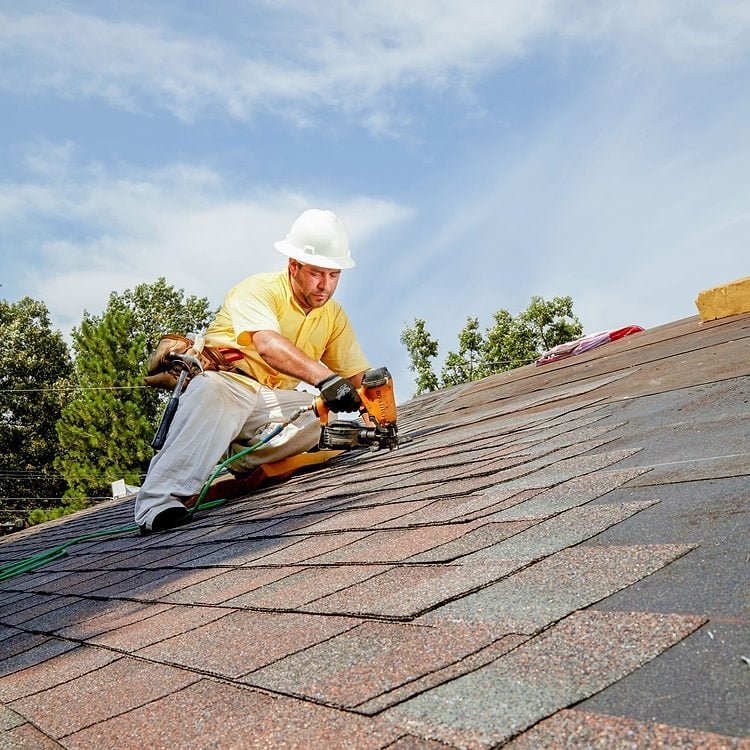
A roof is one of those things homeowners rarely think about until something goes wrong. One day you notice a water stain on the ceiling, or perhaps a few shingles have gone missing after a storm, and suddenly the question becomes urgent: is it time for a roof replacement? Planning a roof replacement doesn’t have to feel like an overwhelming project if you approach it with the right information and a sense of humor about the process. This guide will walk you through the key steps and considerations to make your roof replacement experience as smooth as possible.
1. Assess Your Roof’s Current Condition
Before you start budgeting or calling contractors, you need to understand what you’re working with. A typical asphalt shingle roof lasts between 15 and 20 years, so if your roof is approaching or exceeding that age, replacement is likely in your future. Look for visible signs of wear such as curled or missing shingles, granule loss (which looks like coarse sand in your gutters), or visible algae and moss growth. You can safely inspect your roof from the ground using binoculars, or you can hire a professional roofer to perform a thorough inspection. A professional inspection costs between $100 and $300 but gives you accurate information about whether you need a full replacement or just repairs.
Pay attention to any leaks or water damage in your attic or upper floors. Staining on ceilings, soft spots in the roof deck, or mold growth indicate water penetration that goes beyond cosmetic issues. If you’re buying a home or selling one, a roof inspection becomes even more critical because it can affect the property’s value and your decision-making process. Taking the time to assess your roof thoroughly prevents surprises later and helps you plan the timing of your replacement strategically.
2. Choose Your Roofing Material
The material you select for your new roof will influence both the cost and the lifespan of your investment. Asphalt shingles remain the most popular choice for residential roofing because they offer a good balance of affordability, durability, and aesthetic variety. They typically cost between $2 and $5 per square foot and last 15 to 20 years with proper maintenance. Metal roofing has gained popularity in recent years and can last 40 to 70 years, though it comes with a higher upfront cost of around $8 to $15 per square foot.
Other materials include wood shakes, slate, tile, and composite options. Wood shakes offer a classic appearance but require regular maintenance and are vulnerable to fire and rot. Slate and tile provide excellent longevity and durability but are significantly more expensive and add substantial weight to your home, which may require structural reinforcement. Composite roofing materials attempt to mimic the look of premium options like slate while offering better cost efficiency and easier installation. Consider your climate, your home’s architectural style, your budget, and how long you plan to stay in your home when selecting materials.
3. Get Multiple Quotes from Contractors
Shopping for roofing contractors shouldn’t mean settling for the first estimate you receive. Reach out to at least three reputable local roofers and request detailed written quotes that specify the materials, labor costs, timeline, and warranty information. A significantly lower quote than others might indicate that a contractor is cutting corners, while an unusually high quote could mean you’re overpaying. Ask each contractor how long they’ve been in business, whether they’re licensed and insured, and if they can provide references from recent projects.
Pay special attention to the warranty information in your quotes. Manufacturers typically offer warranties on roofing materials themselves, but contractors should also provide workmanship warranties that cover installation mistakes. A good workmanship warranty lasts at least five years and demonstrates the contractor’s confidence in their work. Don’t hesitate to ask questions about the timeline, weather-related delays, cleanup procedures, and whether the old roof will be removed or layered over. Clear communication at this stage prevents misunderstandings once work begins.
4. Budget for Hidden Costs and Contingencies
While you have contractor quotes in hand, remember that additional costs often emerge during the replacement process. Once roofers remove your old roof, they might discover structural damage to the underlying roof deck that requires repair or replacement. This extra work can add hundreds or even thousands of dollars to your final bill. Decking replacement typically costs between $1 and $5 per square foot, and issues like inadequate ventilation or deteriorated flashing might also need addressing while your roof is open.
Plan to set aside 10 to 20 percent of your total roofing budget as a contingency for unexpected issues. Homeowners navigating storm damage or aging materials often find that roofing replacement services that include thorough pre-project assessments help avoid last-minute budget surprises by identifying deck and ventilation concerns before work begins. If you live in an area with building code requirements that have changed since your roof was originally installed, you might need to upgrade certain components to comply with current standards. Consider also whether you want to upgrade your gutters, downspouts, or ventilation system while the roofers are already on your roof. Making these decisions in advance and including them in your budget prevents last-minute financial stress and ensures your new roof functions optimally.
5. Schedule the Project at the Right Time
Timing your roof replacement strategically can help you avoid unnecessary complications and weather-related delays. Spring and fall are ideal seasons for roof replacement in most climates because temperatures are moderate and weather tends to be more stable. Avoid scheduling during your region’s rainy season or when snow and ice are common. Winter roofing is possible but significantly more difficult and dangerous, so roofers typically charge premium rates and move more slowly.
Check your contractor’s availability and be prepared to wait several weeks or even months if you want a highly-rated local company. If you’re facing an emergency situation like a major leak or storm damage, you may not have the luxury of choosing the ideal time. In those cases, working with an emergency roofer who can respond quickly becomes necessary, even if it means adjusting your timeline. Coordinate your replacement with any other planned home improvement projects to minimize disruption and take advantage of contractor availability.
Conclusion
A roof replacement is a significant home investment that deserves thoughtful planning and careful decision-making. By assessing your current roof’s condition, researching material options, gathering multiple contractor quotes, budgeting for unexpected costs, and timing your project wisely, you set yourself up for a successful replacement. The roof over your head protects your entire home and everything inside it, so taking the time to do this project right pays dividends for years to come. With proper preparation and realistic expectations, you can navigate the roof replacement process with confidence and maybe even maintain that lighthearted perspective when someone on social media makes a joke about raising the roof.
