


Identifying Heavy Metal and Zinc Risks in Private Well Water Systems
Groundwater quality is a dynamic reflection of the environment through which water travels. As rain and snowmelt percolate through the soil and into the underlying aquifer, the water dissolves minerals and picks up substances from the surrounding geology. While this process is natural, it can occasionally lead to elevated concentrations of heavy metals, including zinc.
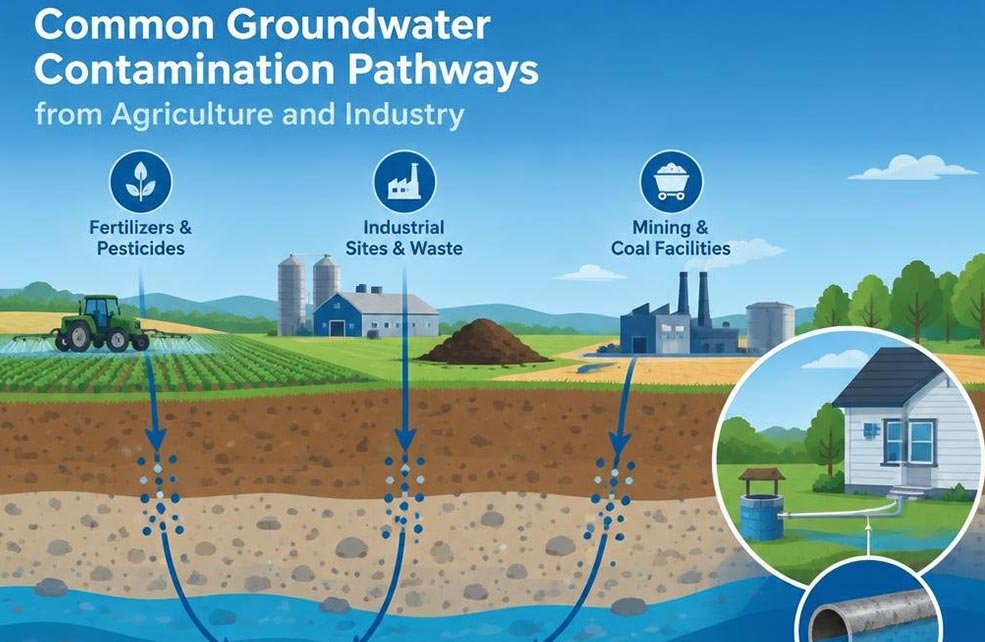
Understanding the “why” behind your water’s chemistry is the first step toward effective management. Zinc typically enters groundwater through two primary pathways: the natural weathering of zinc-bearing rocks or human-driven industrial activities. In areas near former mining operations, coal-burning facilities, or hazardous waste sites, the risk of groundwater contamination increases significantly.
However, for many homeowners, the source is much closer to home. If your property uses older, galvanized steel plumbing, the zinc coating on the inside of these pipes may begin to degrade over time. As the protective layer thins, the underlying metal is exposed to the water, leading to the leaching of zinc directly into your kitchen tap. Because the Environmental Protection Agency (EPA) classifies zinc as a secondary contaminant, it is regulated based on aesthetic qualities—such as taste and appearance—rather than direct toxicity. This means that while the water might be “safe” by regulatory standards, it may still be problematic for your home’s plumbing and your personal comfort.
Protecting Private Well Water Systems from Galvanized Pipe Corrosion
Galvanized pipes were a staple of residential construction for decades, but they are not designed to last forever. Over time, the zinc coating that prevents rust begins to break down. This process is accelerated by water with a low pH (acidic water), which is naturally more corrosive.
When galvanized pipes corrode, they rarely release just one substance. In addition to zinc, these systems can often leach lead and cadmium, both of which pose significant health risks even at low levels. If you notice that your water has a metallic, astringent taste or appears cloudy, it is a strong indicator that your plumbing system may be failing. Replacing aging galvanized sections with modern materials like copper or PEX is the most effective long-term solution. In the interim, maintaining a neutral pH through water treatment can help slow the rate of corrosion, preventing further leaching into your drinking water.
Natural Aquifer Leaching and Industrial Exposure Pathways
Beyond your home’s plumbing, the geological composition of your area plays a major role in water quality. Some aquifers are naturally rich in zinc, a byproduct of the Earth’s crust composition. In these regions, even a brand-new, modern plumbing system might deliver water with higher-than-average zinc levels.
Furthermore, industrial legacy sites can impact the safety of your well. If your home is located near a former smelting plant, metal-processing facility, or landfill, you may be at risk of exposure to zinc and other heavy metals that have migrated through the soil into the groundwater table. These contaminants can persist for years, making it essential for well owners in industrial corridors to conduct regular, comprehensive water testing to monitor for changes in their water’s mineral profile.
Health Implications of Zinc and Mineral Imbalances in Drinking Water
Zinc is an essential micronutrient. It plays a critical role in immune function, wound healing, and DNA synthesis. However, there is a distinct threshold where the benefits of this mineral end and the risks of toxicity begin. The Recommended Dietary Allowance (RDA) for adults is generally 11 milligrams per day for men and 8 milligrams per day for women. When you ingest significantly more than this through your water supply, you risk disrupting your body’s delicate mineral balance.
Acute Toxicity and Gastrointestinal Reactions
Ingesting high levels of zinc over a short period can trigger an immediate, unpleasant reaction. Common symptoms of acute zinc exposure include severe stomach cramps, nausea, and vomiting. Many people describe the water as having a distinct, metallic, or astringent taste. In some cases, the water may appear milky or develop a greasy film when boiled. If you experience these symptoms or notice these changes in your water’s sensory profile, it is a sign that the zinc concentration has likely exceeded the aesthetic threshold of 5 milligrams per liter.
Chronic Health Risks and Trace Mineral Interactions
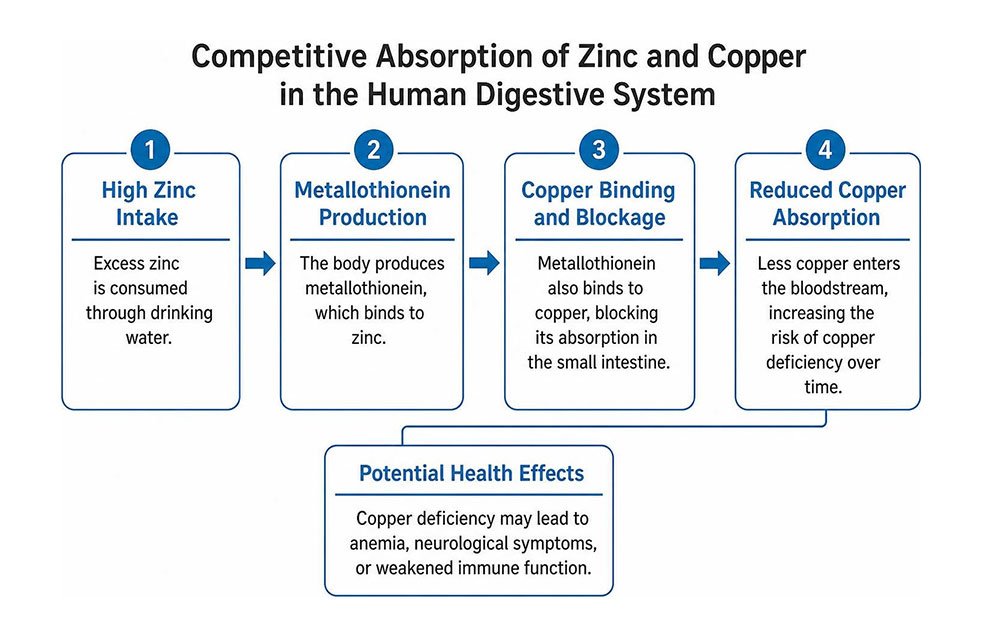
While acute reactions are immediate, chronic exposure to elevated zinc levels can have more insidious effects. One of the most significant concerns is the interaction between zinc and copper. Zinc and copper compete for absorption in the small intestine. When you consume excessive zinc, your body produces a protein called metallothionein, which binds to copper and prevents it from being absorbed.
Over time, this can lead to a copper deficiency, which may manifest as microcytic anemia, neurological symptoms, or a weakened immune system. Furthermore, chronic high-level exposure has been linked to lower levels of HDL (the “good” cholesterol) and potential damage to the pancreas.
Feature Zinc Deficiency Zinc Toxicity Primary Symptoms Impaired growth, delayed wound healing Stomach cramps, nausea, vomiting Long-term Risks Immune system suppression Copper deficiency, anemia Cholesterol Impact Minimal Reduced HDL (good) cholesterol Common Cause Inadequate diet, malabsorption Excessive supplements, contaminated water Vulnerable Populations: Children and Maternal Health
Children and pregnant women are particularly sensitive to mineral imbalances. Because children are still developing, their bodies are more susceptible to the effects of heavy metal interference with nutrient absorption. Adequate zinc is vital for childhood development, but an excess can disrupt the absorption of other essential minerals needed for bone and brain health. Similarly, during pregnancy, maintaining a precise nutritional balance is crucial for both maternal and fetal health. If you are in these high-risk groups, prioritizing water quality through testing and, if necessary, filtration is a vital step in safeguarding your family’s well-being.
Multi-Tiered Testing and Assessment for Well Water Quality
Testing your well water is the only way to know exactly what is in your glass. We recommend a multi-tiered approach that begins with simple observation and moves toward professional, certified analysis.
Level-by-Level Contaminant Detection
- Sensory Observation: Start by paying attention to the look, smell, and taste of your water. A milky, chalky appearance or an astringent, metallic taste is your first warning sign.
- DIY Screening: Home test kits or dip strips can provide a quick, preliminary check for various metals. While these are not as accurate as lab tests, they are useful for identifying if a problem exists that warrants further investigation.
- Certified Laboratory Analysis: For definitive results, always use a state-certified laboratory. Request an inorganic metal panel to get a clear picture of your water’s zinc, lead, and copper levels.
Certified Testing Protocols for Private Well Water Systems
When you send a sample to a lab, you are receiving a snapshot of your water quality at that specific moment. Because groundwater chemistry can change due to seasonal rainfall or fluctuations in the water table, we recommend testing your well at least every two years. If you notice any changes in your water’s appearance or taste, test immediately. For those who need help interpreting their results or finding a certified lab, private-well owner support is an invaluable resource for navigating the testing process and understanding what your report actually means for your home.
Proven Treatment and Filtration Technologies for Zinc Reduction
If your testing confirms that zinc levels are elevated, do not panic. Several proven technologies can effectively remove excess zinc and restore the safety and quality of your water.
Point-of-Use and Whole-House Filtration Solutions
The best treatment method depends on the concentration of the contaminant and your specific household needs.
- Reverse Osmosis (RO): This is one of the most effective ways to remove heavy metals. An RO system forces water through a semi-permeable membrane that traps minerals like zinc, lead, and copper. It is ideal for point-of-use (like your kitchen tap).
- Ion Exchange: Often used in water softeners, this process swaps zinc ions for sodium or potassium ions. It is an excellent choice for whole-house treatment if you are dealing with high levels of minerals throughout your plumbing.
- Distillation: By boiling water and collecting the steam, you can leave behind almost all dissolved minerals. While highly effective, it is slower and typically used for drinking water only.
System Maintenance and Plumbing Remediation
Installing a filter is only half the battle; maintaining it is the other. Filters must be replaced according to the manufacturer’s schedule to prevent them from becoming saturated and ineffective. If your zinc issue stems from corroded pipes, addressing the root cause—such as replacing old galvanized sections or installing an acid-neutralizer to raise your water’s pH—is a more sustainable solution than relying on filtration alone. Always remember to re-test your water after installing any new treatment system to ensure it is performing as expected.
Frequently Asked Questions About Well Water Contamination
What causes tap water to look milky or taste metallic?
A milky or chalky appearance is often caused by high concentrations of dissolved minerals like zinc or calcium. When these minerals reach an aesthetic threshold, they can create a cloudy look or an astringent, metallic taste that makes the water unpleasant to drink.
How does excessive zinc in drinking water interfere with copper absorption?
Zinc and copper compete for the same absorption pathways in the gut. When you consume too much zinc, your body produces metallothionein, a protein that binds to copper in the intestines and prevents it from entering your bloodstream. Over time, this can lead to a deficiency in copper, which is necessary for healthy red blood cell production.
How often should private well water be professionally tested?
At a minimum, you should have your well water tested every two years for an inorganic panel. However, you should also test your water if you notice any changes in taste, odor, or color, or if there has been significant construction or industrial activity in your area.
Conclusion
Managing a private well is a rewarding way to maintain your independence, but it requires a proactive approach to safety. By understanding the sources and risks of zinc and other heavy metals, you can take control of your water quality. Regular testing, proper maintenance of your plumbing, and the use of appropriate filtration technologies will ensure that your water remains a clean, healthy resource for years to come. Stay informed, stay vigilant, and never hesitate to reach out for professional guidance when you need it.
