


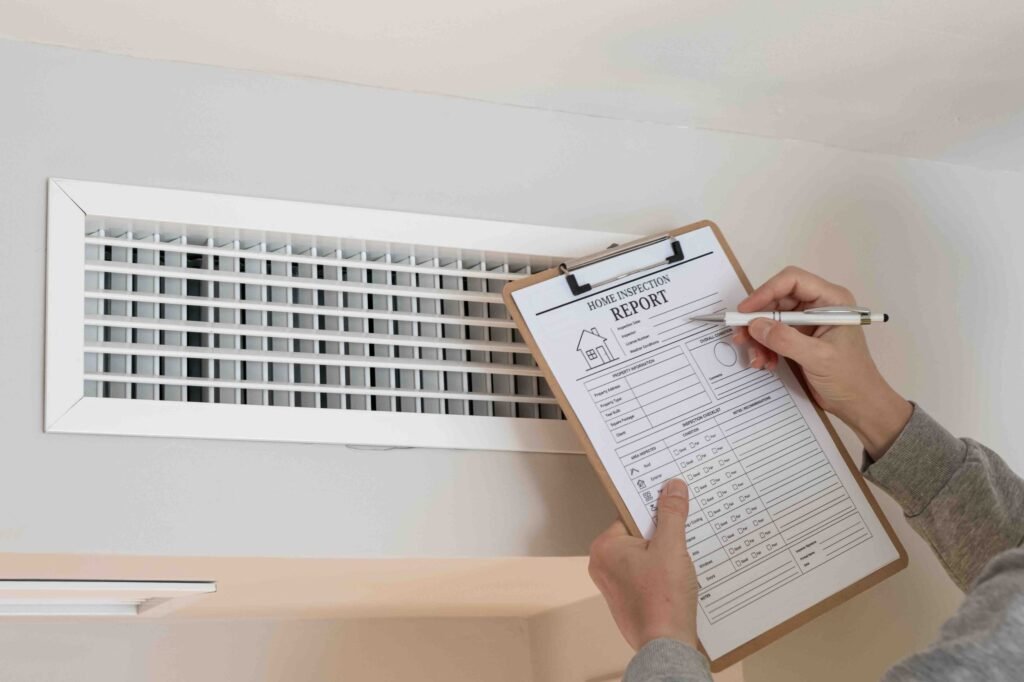
Your home’s electrical system works silently in the background until a tripped breaker, a dead outlet, or a flicker reminds you it’s there. A quick seasonal check-in can uncover small issues before they become hazards, help you use energy more efficiently, and extend the life of your devices. This homeowner-friendly checklist focuses on practical steps you can handle safely, along with clear signs that it’s time to call a licensed professional. Use it at the start of each season, or after adding a major appliance, making a renovation, or noticing unusual behavior from lights or outlets.
Know Your Panel and Protection Devices
Start with your electrical panel. Open the door to confirm that every circuit is labeled in plain language. If some labels are missing or vague, identify the rooms and major appliances they control and add them. A well-labeled panel saves time during an outage and helps you respond quickly in an emergency. Next, look for ground-fault circuit interrupter (GFCI) and arc-fault circuit interrupter (AFCI) protection. GFCIs reduce shock risk in kitchens, bathrooms, laundry rooms, garages, and outdoor areas. AFCIs are designed to detect arcing faults that can lead to fires, particularly in bedrooms and living areas.
Test GFCI outlets monthly by pressing the “TEST” button to trip the device, then “RESET” to restore power. If a GFCI won’t reset or trips repeatedly, stop using the circuit until it’s evaluated. AFCI breakers typically have a similar test function on the breaker itself. If you’re not sure which areas of your home require protection or whether your panel meets current safety standards, consulting an experienced Electrician in Lansdowne, PA, for a safety assessment can provide clarity and peace of mind.
Room-by-Room Hazards to Check
In kitchens and bathrooms, look for countertop outlets that are too close to water sources, worn cords on countertop appliances, and power bars overloaded with multiple high-wattage devices. Replace any outlet with a cracked faceplate or one that feels warm to the touch. In living rooms and bedrooms, inspect lamps for loose bulb sockets, confirm bulbs match the fixture’s wattage rating, and check that cords aren’t crushed under furniture or run under rugs both can cause overheating and hidden damage.
Hallways and stairwells should have bright, reliable lighting and secure switch plates. Replace any noisy or buzzing light switches, which can indicate internal wear. In children’s rooms, use tamper-resistant receptacles to prevent foreign objects from being inserted. For home offices, confirm power strips are surge-protective and not “daisy-chained” together. If you feel even a mild tingle when touching an appliance or metal switch plate, stop using it immediately and have the circuit inspected; this can signal a serious grounding issue.
Outdoor and Seasonal Equipment
Outdoors, verify that all receptacles are weather-resistant and covered with an in-use cover that shields plugs from rain while they’re connected. Only use extension cords and fixtures rated for exterior use, and bring them indoors when not needed to limit UV and moisture damage. Each season, walk the perimeter of your home at dusk and look for flickering landscape lights, exposed wiring, or fixtures that fill with water after storms. Trim vegetation away from fixtures to prevent heat buildup and ensure clear access for maintenance.
For seasonal equipment window air conditioners, space heaters, portable dehumidifiers, and holiday lighting check the manufacturer’s amperage and breaker recommendations. These items often belong on dedicated circuits or require careful load management. Never run high-wattage devices through lightweight extension cords. If breakers trip when certain devices operate, it’s a sign the circuit may be overloaded, or a device is failing. Repeated tripping is a safety warning, not just an inconvenience.
When DIY Is Fine and When to Call a Pro
Many routine tasks are safe for homeowners: replacing light bulbs and faceplates, testing and resetting GFCI outlets, swapping a damaged plug on a lamp using a proper replacement, and installing battery-powered smoke and carbon monoxide detectors. You can also replace standard switches and outlets ifyou’ree comfortable turning off the correct breaker, verifying power is off with a non-contact tester, and following code-compliant wiring practices. If any part of the process feels uncertain, pause and get professional guidance.
Call a licensed electrician when you encounter frequent breaker trips, lights that dim when appliances start, buzzing or crackling from outlets or switches, scorch marks or a burning odor, aluminum branch-circuit wiring, older two-prong outlets without a grounding path, or moisture anywhere near wiring. Upgrading a service panel, running new circuits, adding an EV charger, hardwiring exterior lighting, or integrating backup power systems also requires a professional. These jobs involve calculations for load, grounding, bonding, and code compliance that protect you long after the work is done.
Simple Upgrades That Improve Safety and Convenience
A few modest upgrades can significantly raise safety and comfort. Swapping older outlets for tamper-resistant receptacles improves child safety without changing how you plug in everyday devices. Adding more receptacles in rooms with heavy device usage reduces reliance on power strips and extension cords. Motion-sensing switches in hallways and garages prevent stumbles in the dark, and occupancy sensors in bathrooms and laundry rooms save energy without sacrificing convenience. In kitchens, under-cabinet lighting on dedicated low-voltage systems boosts visibility for safer meal prep.
Consider smart-home additions where they add clear value: whole-home surge protection at the panel, smart breakers that track energy usage by circuit, and connected smoke and carbon monoxide alarms that send alerts to your phone. For households planning an electric vehicle or heat-pump conversion, early planning with a load calculation helps determine whether your current service can support future demand. Addressing capacity ahead of time prevents nuisance tripping and avoids rushed, reactive upgrades later.
Make this checklist part of your seasonal routine. A half-hour walk-through every few months paired with prompt attention to small red flags can prevent larger electrical problems and reduce risk. Keep a simple maintenance log that notes the date you tested GFCIs, any outlets or switches you replaced, and observations like occasional dimming or a warm faceplate. Patterns that emerge over time are valuable clues for troubleshooting. When in doubt, put safety first: electricity rewards careful, informed decisions, and small proactive steps today can keep your home and everyone in it safer year-round.
