


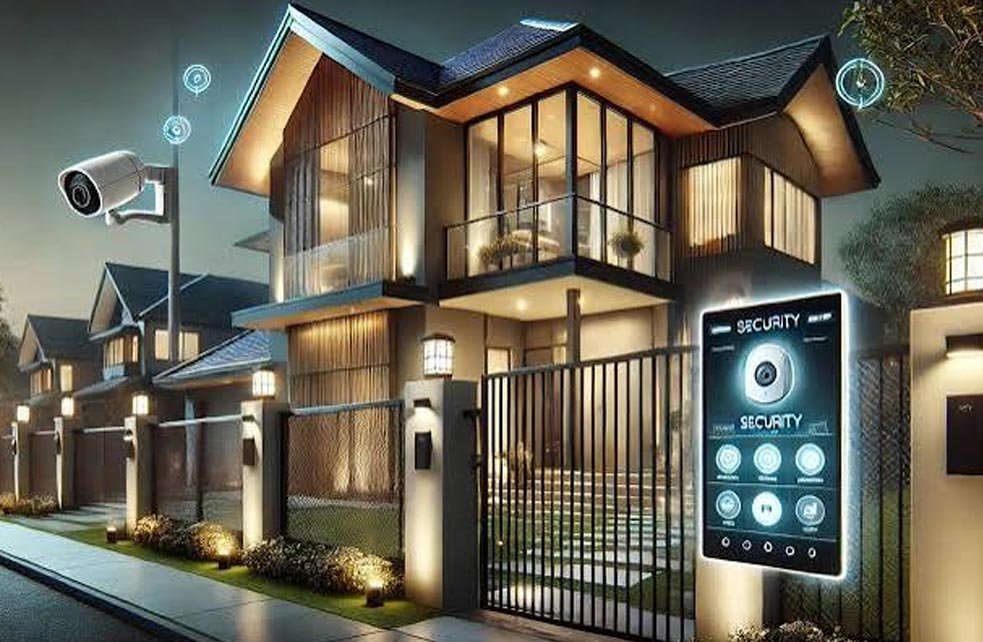
Home security is an important part of protecting a property, family, personal belongings, and the people who enter and leave the home. Modern security solutions have expanded significantly beyond traditional locks and basic alarm systems, giving homeowners access to connected cameras, smart locks, motion sensors, video doorbells, access control, automated lighting, alarms, and remote monitoring technology. When these components are carefully selected and professionally integrated, they can provide a more complete understanding of what is happening around the property while making everyday security tasks easier to manage. A successful security system should not simply contain numerous devices; it should be organized around the property’s layout, household routines, potential entry points, and the specific level of monitoring the homeowner requires.Professional planning can be especially valuable because every property has different security considerations. Entrances, windows, garages, driveways, side pathways, outdoor areas, and interior spaces may each require different forms of protection or monitoring. A camera placed in the wrong position may leave an important area outside its view, while a poorly configured motion sensor may generate unnecessary notifications. A properly designed system considers how individual components work together and where each device can provide the most useful function. This approach can create a more reliable and manageable security environment while reducing the confusion that often comes from using multiple unrelated devices and applications.
Understanding a Complete Home Security Approach
A comprehensive security strategy combines physical protection with modern technology. Strong exterior doors, reliable locks, secure windows, and appropriate hardware remain important foundations, while connected devices can provide additional awareness and control. Security cameras can provide visual information, sensors can identify movement or access events, smart locks can help manage entry, and alarm systems can notify homeowners when specific conditions occur. When these technologies communicate effectively, they can create multiple layers of protection throughout the property.The objective is not to install every available security device but to select technologies that address actual needs. A homeowner may benefit more from strategically positioned cameras and controlled access than from a large number of devices that provide overlapping or unnecessary functions. Professional assessment can help identify areas that deserve additional attention and determine which combination of equipment will provide practical value. A properly planned system should be effective without becoming difficult to operate.
Security Cameras for Better Visibility
Security cameras can provide homeowners with valuable visual awareness around their properties. Cameras may be positioned near front and rear entrances, garages, driveways, pathways, gates, outdoor living areas, and other locations where activity may occur. Depending on the system, homeowners may be able to view live footage, receive motion notifications, and review recorded video when necessary. Remote access can also allow residents to monitor selected areas while they are away.Proper camera placement is essential because the usefulness of a camera depends heavily on what it can actually see. Installation should consider viewing angles, lighting conditions, obstructions, mounting height, and the areas that require the greatest attention. A professional can evaluate the property and recommend locations that provide meaningful coverage. Cameras can also be connected with motion sensors and lighting, allowing several security components to respond together when activity is detected.
Video Doorbells for Entrance Awareness
The main entrance is one of the most frequently used access points in a home, making it an important location for monitoring. Video doorbells can allow homeowners to see visitors, receive activity notifications, and communicate with people at the door through compatible devices. Depending on the system, users may also have access to recorded footage and other features that make it easier to understand what occurred at the entrance.Video doorbells can provide convenience as well as security awareness. Homeowners can check who has arrived before opening the door and may be able to communicate with delivery personnel without being physically present. When integrated with other cameras, locks, and automation systems, a video doorbell can become part of a larger entry management solution. Proper installation helps ensure that the camera captures a useful view and maintains dependable network communication.
Smart Locks and Access Management
Smart locks can provide homeowners with more flexible methods of managing access than traditional keys. Depending on the equipment, approved users may be able to enter through codes, mobile devices, electronic credentials, or other supported methods. This can make it easier to provide access to family members, guests, service providers, or other trusted individuals without distributing physical keys.Access management can also be integrated into broader security routines. A homeowner may create a nighttime scene that checks selected doors or a departure routine that secures important entry points. Permissions can potentially be adjusted as household circumstances change. Since smart locks depend on electronic communication and correct configuration, professional installation can help ensure that the locks function reliably and interact properly with the rest of the security system.
Motion Sensors and Detection Technology
Motion sensors can provide another layer of security by identifying movement in selected areas. Indoor sensors may be useful in hallways, rooms, garages, and other spaces, while outdoor sensors can monitor pathways, entrances, or other exterior locations. When integrated with cameras, lights, or alarm systems, motion detection can initiate programmed responses.The placement and sensitivity of motion sensors should be carefully considered. Pets, normal household activity, environmental conditions, and room layouts can influence how sensors respond. Professional installation can help determine suitable locations and configure the system to reduce unnecessary alerts. Effective motion detection should provide useful information without creating so many notifications that homeowners begin ignoring them.
Automated Lighting for Added Awareness
Lighting can support a broader security strategy by improving visibility around the property. Exterior lights can be installed near doors, driveways, garages, pathways, and other areas where better illumination may be beneficial. Automated lighting can operate according to schedules or respond to motion and other selected events.Security lighting becomes even more useful when it is integrated with other systems. If movement is detected near a side entrance, for example, a connected light may activate while a nearby camera records the event. Interior lights can also be scheduled to create an occupied appearance while residents are away. These coordinated functions can provide useful security support while also making the property more convenient to manage.
Alarm Systems and Timely Alerts
Alarm systems remain an important component of residential security. Depending on the property’s requirements, an alarm may include door and window sensors, motion detectors, glass-break sensors, and other devices. When an unexpected event occurs, the system may produce an audible alert or send a notification through a connected application.For an alarm system to be useful, it needs to be installed and configured according to the property’s needs. Sensors should be placed correctly, control interfaces should be accessible, and household members should understand how the system operates. Homeowners should also periodically test appropriate functions and review settings to ensure that notifications and alerts remain useful. Professional configuration can help reduce false alarms and improve the overall reliability of the system.
Securing Doors and Windows
Doors and windows represent important points of consideration in a home security plan. Quality locks and secure hardware provide physical protection, while electronic sensors can provide additional awareness when selected openings are accessed. Cameras can also be positioned to monitor exterior areas around important entry points.
Different doors and windows may require different levels of attention. Main entrances may already have strong visibility, while side doors, basement windows, garage entrances, or secluded openings may require additional security measures. A professional assessment can help identify areas that would benefit from sensors, cameras, improved lighting, access controls, or hardware upgrades. Considering every potential entry point can help reduce overlooked areas.
Garage and Outdoor Security
Garages can contain vehicles, tools, equipment, and other valuable property, making them an important part of residential security. In many homes, the garage also provides a potential route into the main living area. Cameras, smart access controls, motion sensors, and lighting can help improve awareness and control in this part of the property.Outdoor areas should also be included in the overall security assessment. Driveways, side yards, patios, gates, walkways, and storage areas may each have different visibility and access considerations. A complete system should address the property as a connected environment rather than focusing only on the front door. Strategic monitoring and lighting can help reduce blind spots and provide better awareness of activity.
Remote Monitoring and Connected Access
Connected security technology allows homeowners to monitor selected parts of their properties remotely. Depending on the system, users may be able to view cameras, receive notifications, check smart locks, and manage selected security functions from a smartphone, tablet, or computer. This can be particularly convenient when homeowners are traveling or away from the property.Remote monitoring can also help with routine situations. A homeowner may receive an activity notification and quickly review a camera feed to understand what occurred. They may also be able to verify whether a connected entrance is locked without physically returning home. Reliable remote access requires dependable network connectivity and correctly configured devices, which makes professional network planning an important part of the installation.
Network Protection for Security Devices
Modern security systems increasingly rely on network connectivity, so protecting the network is an important part of protecting the devices connected to it. Cameras, smart locks, alarms, sensors, and access controls may communicate through wired or wireless connections. Poorly configured networks can result in communication problems and may expose devices to unnecessary risks.Homeowners should use strong passwords, update device software, manage user permissions carefully, and maintain secure network configurations. Professional support can help organize connected devices and improve network reliability. A properly planned network can also provide enough capacity for additional cameras, sensors, smart devices, and other technologies that may be added later.
Integrating Security With Other Home Systems
One of the strongest advantages of modern technology is the ability to connect security with other residential systems. Lighting, climate control, motorized shades, entertainment systems, and access devices can potentially be coordinated with security equipment through a compatible automation platform. This can reduce repetitive tasks and create useful responses to everyday situations.A departure routine could lock selected doors, activate security monitoring, turn off unnecessary lights, close motorized shades, and adjust the thermostat. A nighttime routine could secure access points and activate selected monitoring functions. A return-home scene could provide exterior lighting and adjust selected systems for occupancy. The exact capabilities depend on the equipment and system design, but integration can make security a more natural part of daily life.
Designing Security Around Household Habits
Security systems work best when they fit the people using them. A household with children may have different access requirements than a home with frequent visitors or service providers. Pet owners may need different motion detection settings, while homeowners who travel often may place greater importance on remote monitoring and automated occupancy features.The system should also avoid unnecessary complexity. Too many alerts can become frustrating, while insufficient notifications may reduce awareness. Professional programming can help create settings that reflect normal household activity and deliver more meaningful information. When security technology fits naturally into daily routines, homeowners are more likely to use it consistently and maintain it properly.
Professional Installation and System Integration
Correct installation is critical to the performance of security equipment. Cameras need suitable angles, sensors need proper locations, smart locks require accurate configuration, and network equipment needs to provide dependable communication. Even high-quality products may not perform well if they are installed without considering the property as a whole.Professional integration can also simplify system management by allowing compatible devices to communicate through centralized controls. Instead of using separate applications for cameras, locks, alarms, and lighting, homeowners may be able to manage important functions through one interface. After installation, testing can help identify connectivity issues, coverage gaps, or programming problems. This can improve confidence in the system before it becomes part of everyday security routines.
Selecting Appropriate Security Equipment
The right equipment should be selected according to the property’s actual needs. Homeowners should consider camera coverage, image quality, storage requirements, sensor capabilities, access control options, connectivity, and ease of use. Buying the most advanced device available does not necessarily guarantee better security if the product is poorly suited to the property or incompatible with other equipment. Compatibility is especially important when multiple systems need to communicate. Unrelated products may require several applications and may not support coordinated automation. Professional guidance can help homeowners select technologies that work together and provide opportunities for future expansion. This approach can create a more organized system and reduce the complications associated with managing disconnected devices.
Planning for Future Security Improvements
Security requirements can change as technology develops and household circumstances evolve. Homeowners may eventually want to add cameras, sensors, smart locks, access controls, lighting, or other monitoring devices. A scalable system can make these additions easier by providing sufficient network capacity and compatible control infrastructure. Future planning should be considered during the original installation whenever possible. Organized wiring, appropriate equipment locations, reliable networking, and expandable control platforms can help accommodate future upgrades. This can reduce the likelihood that homeowners will need to replace major portions of the existing system when they want to add new capabilities.
Maintaining a Reliable Security System
Regular maintenance can help security equipment continue operating properly. Cameras should remain clean and correctly positioned, batteries in wireless devices should be checked, and connected equipment should receive appropriate updates. Homeowners should periodically verify that alarms, notifications, recordings, smart locks, and other important controls are functioning as expected. Professional support from a home security provider can also be useful when equipment becomes outdated or connectivity problems appear. Security technology continues to evolve, and occasional configuration updates or equipment upgrades may be necessary. Regular system reviews can help homeowners identify changes in household needs and determine whether additional coverage or new technologies would provide meaningful benefits. Maintaining the system helps protect the investment and supports consistent performance.
Conclusion
Modern home security provides homeowners with a combination of traditional protection and advanced connected technology. Security cameras, video doorbells, smart locks, motion sensors, alarms, automated lighting, access controls, and remote monitoring can each provide valuable functions, but their effectiveness can increase when they are designed to work together. A complete security strategy considers the property’s layout, entry points, network infrastructure, household routines, and future requirements.Professional planning and installation can help ensure that security equipment is positioned correctly, configured properly, and integrated into a reliable system. Regular maintenance and thoughtful upgrades can further support long-term performance. By approaching home security as a coordinated solution rather than a collection of individual products, homeowners can create a practical and flexible environment that provides greater awareness, easier control, and stronger protection for the property and the people who depend on it.
