


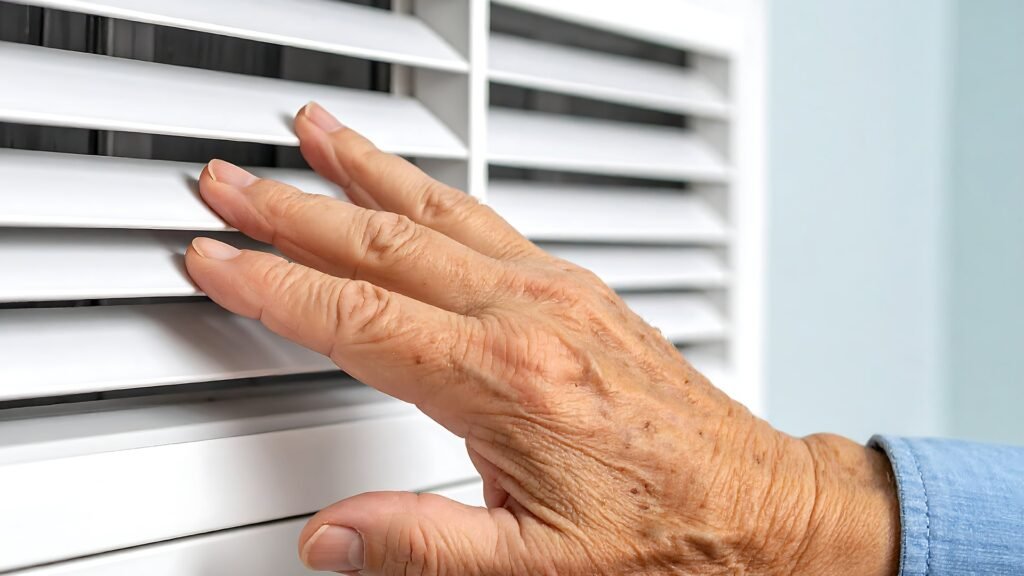
Gulf Coast summers demand a lot from a home’s air conditioner. Long cooling seasons, salt-laden breezes, and frequent afternoon storms in Panama City add stress that can turn a small issue into a mid-season breakdown. If your system starts blowing warm air, runs constantly without catching up, or leaves rooms sticky instead of comfortable, those symptoms can tell you a lot before a full failure. This guide explains what common signs mean, what you can safely check, when to power the system down, and how to prevent repeat problems in a coastal climate without risking equipment damage.
Early AC symptoms you can spot in Panama City humidity
Warm air at supply vents, short cycling (rapid on-off), or rising indoor humidity despite a steady setpoint are early clues that airflow or heat transfer has been compromised. A whistle at return grilles often points to a clogged filter. At the same time, ice on the copper suction line suggests the evaporator coil may be freezing from restricted airflow or low refrigerant. If basic checks do not restore cooling, professionals who handle air conditioning repair in Panama City understand the region’s heat, salt exposure, and storm-driven power issues and can evaluate the system under those conditions.
Two realistic scenarios help frame these clues. Scenario one: the indoor blower is running, but the outdoor condenser is silent on a 92-degree afternoon. That pattern often points to a tripped breaker, a failed capacitor that will not start the fan or compressor, or a contactor that isn’t pulling in. Scenario two: you notice a puddle near the air handler or a ceiling stain below an attic unit. That points to a clogged condensate drain line or an overflow, where the float switch shuts off cooling to prevent water damage.
What those signs usually indicate inside the system
Restricted airflow is a root cause for many symptoms. A dirty filter or collapsed filter media can choke the return, dropping coil temperature until the evaporator ices over and airflow falls further. The relationship is cyclical: less airflow means less heat absorbed, which makes icing worse and can flood the compressor with liquid refrigerant if you keep the system running. Another frequent issue in coastal areas is a dirty or corroded condenser coil. Salt spray and lawn debris clog thin aluminum fins, blocking heat rejection and raising head pressure, , which can trip the high-pressure switch or the breaker.
Electrical start components fail hard in heat. A weak dual-run capacitor cannot provide the initial jolt to the condenser fan motor or compressor so that that you may hear a faint hum with no fan movement. A pitted contactor may start the unit intermittently, creating short cycling and poor dehumidification. Low refrigerant from a leak reduces capacity and can cause the evaporator to frost. Meanwhile, duct leaks in a hot attic pull humid air into the system, making it feel muggy indoors even if the thermostat says you hit the setpoint.
Safe checks you can do in minutes.
Start at the thermostat: confirm cooling mode and set the fan to Auto rather than On, which can raise indoor humidity by blowing across a wet coil between cycles. Inspect the air filter and replace it if it looks gray or matted; most homes do well with MERV 8–11, which balances dust capture and airflow. Check the outdoor disconnect and the breaker in the panel to see if either tripped. Walk around the condenser and clear grass clippings, leaves, and stored items; it needs roughly 2–3 feet of open space on all sides and unobstructed airflow above the fan discharge.
Look at the condensate drain near the indoor unit. If there is a cleanout port, pour a cup of distilled vinegar to discourage algae growth. If you see frost on the refrigerant suction line or the evaporator housing, turn the systeoff atat the thermostat and let it thaw fully before restarting, or you risk compressor damage. Avoid pressure washing the condenser or poking fin combs into the coil, which can bend fins and worsen heat transfer. Do not open electrical panels or attempt to handle refrigerant components, which require specialized tools and training.
Shut it down and call a technician when you see these.
Some conditions warrant powering the system off immediately. Repeated breaker trips signal an electrical fault or locked compressor. A hot compressor dome with the outdoor fan not spinning suggests a seized fan motor or failed capacitor; continuing to run it can overheat the compressor. Hissing at the indoor unit, a strong chemical-like odor, or oil stains on refrigerant lines point to a leak. Water near an attic air handler, a triggered float switch, or a rusted secondary drain pan indicates drainage failure that, if ignored, can damage ceilings and insulation.
Another realistic scenario: the outdoor unit hums, the top of the cabinet feels very warm, and the fan blade is still. Some homeowners try to nudge the blade with a stick, but that risks injury and masks a deeper problem. The correct move is to cut power at the disconnect and breaker, then call a professional. A failed capacitor or fan motor can overheat the compressor in minutes because the condenser cannot shed heat without airflow across the coil.
Prevention that holds up to salt, heat, and storms
Coastal systems benefit from consistent, light maintenance. Trim shrubs to maintain condenser clearance and keep grills, toys, and pressure washers away from fins. After shutting off power, a gentle garden-hose rinse from the outside can remove surface salt and dust; avoid high pressure, coil cleaners, and disassembly unless a technician is present. Before peak heat, schedule a tune-up so a pro can measure refrigerant pressures, inspect the contactor and capacitor, check blower motor amperage, and clean the evaporator coil if needed. After storms, look for debris lodged in the fan grille or bent fins and restore safe clearances.
Humidity control and drainage deserve special attention here. Leave the fan on Auto for better moisture removal, and avoid big overnight thermostat swings that can drive short cycling. Choose filter ratings thoughtfully: higher MERV captures finer particles but can restrict airflow in undersized returns, so MERV 8–11 is a practical trade-off for many homes. Treat the condensate drain monthly with vinegar and make sure you have a float switch and a secondary drain pan if the air handler sits above living space. Given frequent lightning, ask your technician if HVAC surge protection fits your panel and equipment.
Reading what your AC is telling you helps you act early, reduce risk, and avoid preventable damage. Simple checks like correcting fan settings, changing a clogged filter, clearing the condenser, and maintaining the drain line often restore stable operation or at least make conditions safe until service. When signs point to electrical faults, a frozen evaporator coil, or a refrigerant issue, power the system down and get qualified help. In Panama City’s salt, heat, and storm cycles, a little informed attention goes a long way toward steady cooling all summer.
<iframe src=”https://www.google.com/maps/embed?pb=!1m18!1m12!1m3!1d3449.4245884139336!2d-85.60240449999999!3d30.167863099999995!2m3!1f0!2f0!3f0!3m2!1i1024!2i768!4f13.1!3m3!1m2!1s0x88938110728b1ef3%3A0xbfb5789e6d3f718c!2sCooler%20Air%20Conditioning%20LLC!5e0!3m2!1sen!2sno!4v1770393087057!5m2!1sen!2sno” width=”600″ height=”450″ style=”border:0;” allowfullscreen=”” loading=”lazy” referrerpolicy=”no-referrer-when-downgrade”></iframe>
