


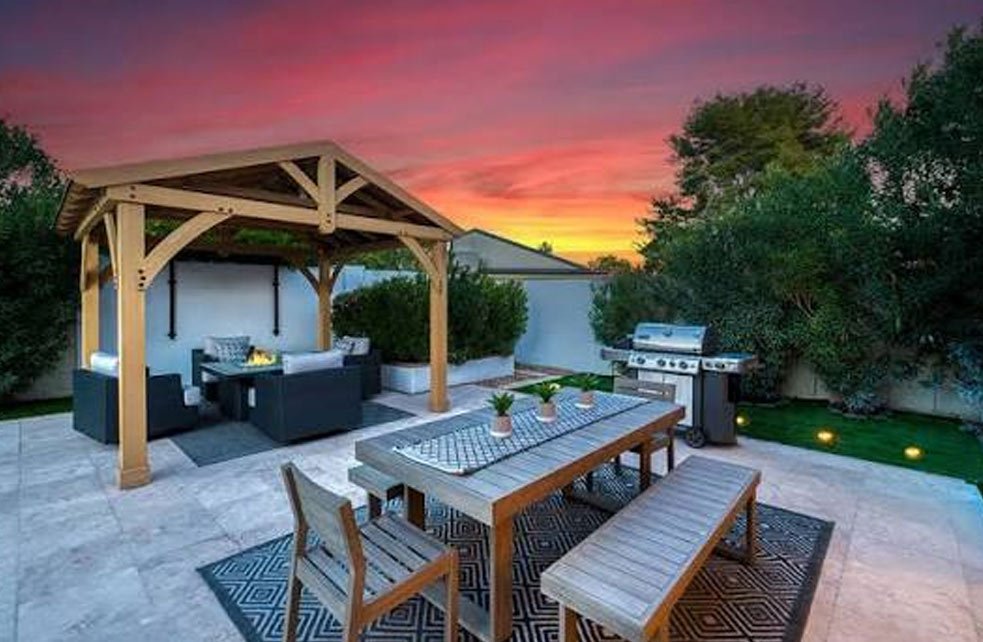
Outdoor living areas can become significantly more useful when they provide protection from direct sunlight, light weather exposure, and changing outdoor conditions. A well-designed patio cover can transform an uncovered patio into a more comfortable extension of the home, creating a shaded environment where homeowners can relax, dine, entertain guests, or spend time with family. Among the available patio cover materials, aluminum products are often considered for their combination of durability, low maintenance, versatility, and attractive appearance. Alumawood is designed to provide the appearance of traditional wood while offering the practical characteristics associated with aluminum construction, making it an appealing choice for homeowners who want a finished outdoor structure without the maintenance demands commonly associated with natural wood. However, achieving a strong and attractive result requires more than selecting the right material. The design, measurements, structural support, attachment method, drainage, roof configuration, and relationship between the cover and the existing home all need to be considered carefully. Professional installation can help ensure that the patio cover is properly planned and constructed while creating a finished outdoor area that complements the property and supports long-term use.
Understanding the Benefits of an Alumawood Patio Cover
An Alumawood patio cover can provide homeowners with a practical way to improve the usability of an outdoor living area while adding architectural interest to the exterior of the property. Traditional wood patio structures can offer a beautiful appearance, but they may require regular painting, staining, sealing, and other maintenance to protect them from outdoor exposure. Aluminum-based materials can reduce many of these maintenance requirements while still offering a design that resembles the warmth and texture of wood. This combination can make Alumawood an attractive option for homeowners who want the visual character of a wood-style patio cover without committing to the same level of ongoing upkeep. A properly installed cover can also provide shade over seating and dining areas, helping make the patio more comfortable during sunny portions of the day. Depending on the selected design, the structure can become an important architectural feature that connects the home’s interior with its outdoor living environment.The benefits of an Alumawood structure also extend to design flexibility. Patio covers can be configured in different styles and dimensions depending on the available space and the homeowner’s goals. A simple shade structure may be appropriate for a smaller sitting area, while a larger patio can accommodate a more substantial cover designed around dining furniture, an outdoor kitchen, a lounge area, or multiple uses. The roof configuration, support posts, decorative details, and overall dimensions can be selected to complement the home’s existing architecture. Because the structure becomes a visible part of the exterior, careful design can help ensure that it looks like an intentional addition rather than an afterthought. Professional planning can help balance appearance with structural requirements so the finished patio cover provides both visual appeal and practical functionality.
Planning the Patio Cover Around Your Lifestyle
Before construction begins, homeowners should determine how they expect to use the covered patio. The intended purpose of the area can influence almost every aspect of the design, including the size, placement, height, roof style, and number of support posts. A homeowner who primarily wants a shaded seating area may require a different configuration from someone planning to create a complete outdoor dining and entertainment space. If the patio will contain a large table, lounge furniture, grill, outdoor kitchen, television, lighting, or other amenities, the cover should be planned with those features in mind from the beginning. Designing around future needs can also reduce the possibility of having to modify the structure later. A thoughtful layout gives homeowners enough room to move comfortably while ensuring that furniture and outdoor features remain protected within the covered area.The relationship between the patio cover and the home should also be considered carefully. A structure attached to the house needs to work with existing exterior walls, rooflines, doors, windows, and architectural details. The placement should allow convenient access from indoor living areas while maintaining a visually balanced exterior. In some cases, a freestanding structure may be more appropriate depending on the patio layout and the design goals. The choice between an attached and freestanding configuration should be based on the property, the intended use, and applicable construction requirements. Careful planning before installation helps ensure that the structure supports the way homeowners actually use their outdoor space rather than simply covering an available section of the patio.
Selecting the Right Patio Cover Design
The design of a patio cover can have a major impact on the appearance and functionality of the finished outdoor area. Different roof styles can provide different visual characteristics and levels of shade, while the dimensions of the structure can determine how effectively it protects the patio. A solid roof can provide substantial shade and create a more defined outdoor room, while other configurations may allow more light or airflow depending on the design. Homeowners should consider how sunlight moves across the property throughout the day because the position of the sun can affect how much shade the structure actually provides.The height of the cover is another important design consideration. A structure that is too low can make the patio feel confined, while one that is excessively high may reduce the sense of protection and proportion. The ideal height should provide comfortable headroom while maintaining an appropriate relationship with the existing home and surrounding landscape. Support posts should also be positioned in a way that provides structural support without unnecessarily interfering with furniture placement or foot traffic. A professional installer can evaluate the dimensions of the patio and develop a layout that balances these requirements.Decorative details can further personalize the structure. Posts, beams, trim, roof elements, and other design components can be coordinated to complement the exterior appearance of the home. The objective is to create a patio cover that looks integrated with the property rather than visually disconnected from it. When the structure’s proportions, colors, and architectural details work together, the finished result can significantly enhance the appearance of the outdoor living area.
Preparing the Existing Patio for Installation
The condition of the existing patio is an important factor in any patio cover project. Before installing posts or structural components, the surface should be evaluated to determine whether it can adequately support the planned construction. Existing concrete, pavers, soil, or other surfaces may require different preparation methods depending on the design. Cracks, settlement, drainage problems, or other structural concerns should be addressed before the new structure is installed. Building over an unsuitable surface can create problems later and may affect the stability of the finished patio cover.Measurements should also be taken carefully to ensure that the structure fits the available space. The installer needs to account for the position of doors, windows, exterior walls, existing landscaping, utilities, and other features that could affect the layout. Accurate measurements are especially important when the patio cover will connect directly to the home because the structure must align properly with the existing building. Careful preparation helps reduce installation complications and creates a stronger foundation for the construction process.Drainage should not be overlooked when preparing the patio. A covered area still needs to manage rainwater effectively, and the roof configuration should direct water appropriately away from the home and usable portions of the patio. Proper grading and drainage planning can help reduce standing water and protect the surrounding landscape. Addressing these details during the planning stage can improve the overall performance of the completed outdoor living area.
Creating Shade and Outdoor Comfort
One of the primary reasons homeowners choose patio covers is to create a more comfortable shaded environment. Direct sunlight can make an uncovered patio difficult to enjoy during certain parts of the day, particularly when outdoor furniture and surfaces become hot. A properly designed cover can provide relief from direct overhead sunlight and make the area more suitable for extended outdoor use. This can allow homeowners to spend more time outside without constantly moving furniture or searching for shaded areas.Shade can also improve the usability of outdoor furniture and entertainment features. Dining tables, lounge chairs, grills, and other amenities can be arranged within a defined covered area, creating an environment that feels more like an outdoor room. The cover can establish a visual ceiling that helps organize the patio and gives the space a stronger sense of purpose. When combined with comfortable furniture and appropriate lighting, the covered patio can become a natural extension of the home’s living area.The design should still allow adequate airflow and openness. A comfortable patio should not feel enclosed unless that is the homeowner’s intention. The position and height of the structure, along with the surrounding landscape, can influence how open the space feels. Thoughtful planning can create a balance between shade and ventilation while maintaining the connection between the patio and the surrounding yard.
Integrating Outdoor Kitchens and Entertainment Areas
A patio cover can provide an excellent framework for a larger outdoor entertainment environment. Homeowners may use the covered space for outdoor kitchens, grills, dining areas, lounge furniture, televisions, lighting, and other amenities. When these features are planned together, the result can be more functional and visually cohesive than installing each element independently. The patio cover can define the main entertainment zone while surrounding landscaping and hardscape create transitions to other parts of the property.Outdoor kitchens require particular attention to layout because cooking areas need adequate working space, storage, circulation, and access. The patio cover should provide sufficient room above and around the kitchen while maintaining appropriate clearances for the equipment being used. Seating and dining areas should be positioned so that people can comfortably interact with the cooking space without creating congestion. Planning these relationships before construction allows homeowners to make better use of the available area.Entertainment features can also be incorporated into the design. Lighting, ceiling fans, electrical components, and other amenities may be considered depending on the project and applicable requirements. Planning these elements early can help avoid awkward modifications after the structure has been completed. A professional installation team can coordinate the patio cover design with other outdoor improvements so the final space feels organized and purposeful.
Why Professional Alumawood Patio Cover Installation Matters
Professional alumawood patio cover installation can help ensure that the structure is properly measured, assembled, supported, and integrated with the existing property. Patio covers are structural additions, so their performance depends on more than the quality of the visible materials. The connection points, support posts, roof components, fasteners, alignment, and foundation all contribute to the stability of the completed structure. Professional installers can evaluate these elements and follow appropriate construction methods for the selected design.Accurate installation can also improve the appearance of the finished project. Even small alignment issues can become noticeable when a patio cover is positioned against an existing home. Uneven posts, inconsistent spacing, poorly finished connections, or improperly aligned roof components can reduce the visual quality of the structure. Experienced installation helps ensure that these details are handled carefully so the finished cover has a clean and professional appearance.Professional work can also reduce the likelihood of installation mistakes that may create future problems. Incorrect measurements, inadequate support, poor drainage, or improper attachment can affect the performance of the patio cover. Having the project properly evaluated and installed from the beginning can provide homeowners with greater confidence in the structure and its long-term usability.
Improving the Appearance of the Home
A patio cover can contribute to the exterior appearance of a property by adding architectural depth and defining the transition between indoor and outdoor spaces. A well-designed structure can frame the patio and create a stronger visual connection between the home and the backyard. Because Alumawood can provide a wood-style appearance, it may complement a variety of exterior design approaches while requiring less maintenance than traditional wood.Color coordination can make an especially significant difference. The patio cover should complement the home’s siding, trim, doors, windows, roofing, or other exterior features rather than competing with them. A carefully selected color can help the structure blend naturally into the existing architecture, while contrasting details can be used to create a more distinctive appearance when desired. The surrounding hardscape and landscaping should also be considered because the patio cover will be viewed as part of the complete outdoor environment.The proportions of the structure are equally important. A cover that is too small may look disconnected from the patio, while one that is disproportionately large can dominate the exterior. Professional planning can help establish dimensions that provide sufficient coverage without overwhelming the property. When scale, color, materials, and architectural details are balanced, the patio cover can become an attractive improvement that enhances the overall appearance of the home.
Designing for Year-Round Outdoor Use
A covered patio can increase the amount of time homeowners are able to comfortably use their outdoor living space. Although a patio cover does not eliminate every weather condition, it can provide protection from direct sunlight and certain forms of outdoor exposure. This can make the area more versatile and encourage homeowners to use it during more portions of the year. Comfortable furniture, lighting, fans, outdoor heaters where appropriate, and other amenities can further improve the usability of the space depending on the design.Seasonal considerations should be incorporated into the planning process. Furniture may need to be protected during severe weather, while surrounding plants should be maintained so they do not interfere with the structure. The patio surface should also be kept clean and properly drained. A well-designed cover can remain visually attractive throughout the year while serving as a functional architectural feature even when the patio is not being actively used.Homeowners should also think about how the outdoor space will look when it is empty. The patio cover should contribute to the property’s appearance regardless of whether furniture is arranged underneath it. Clean lines, appropriate proportions, coordinated materials, and well-maintained landscaping can help ensure that the structure remains an attractive part of the property in every season.
Maintaining an Alumawood Patio Cover
One of the appealing characteristics of Alumawood is its relatively low-maintenance nature compared with many traditional wood structures, but regular care is still important for preserving the appearance and condition of the installation. Dust, leaves, dirt, and other outdoor debris can accumulate on roof surfaces, beams, and posts over time. Periodic cleaning can help maintain the finished appearance and prevent buildup from becoming excessive. Homeowners should use cleaning methods appropriate for the specific product and follow any applicable manufacturer recommendations.The structure should also be visually inspected from time to time. Homeowners can look for loose components, visible damage, unusual movement, drainage concerns, or changes in the condition of the surrounding patio. Any issue that appears unusual should be evaluated rather than ignored. Routine attention can help identify small concerns before they become more complicated or expensive to address.The surrounding outdoor area should also be maintained. Landscaping should be trimmed when necessary, drainage paths should remain clear, and furniture should be positioned so it does not interfere with structural components. Keeping the entire patio environment maintained can help the cover remain attractive and functional while protecting the investment in the outdoor living space.
Maximizing the Value of Your Outdoor Space
A patio cover can add value to a property by making an existing outdoor area more functional and appealing. Instead of leaving a patio exposed and underused, homeowners can create a more comfortable space for dining, relaxation, entertainment, and everyday activities. The improvement can also make the transition between indoor and outdoor living areas feel more intentional. When the patio cover is professionally designed and properly constructed, it can become a permanent part of the property’s architecture rather than simply a temporary shade solution.The greatest value often comes from how well the structure supports the homeowner’s lifestyle. A family that enjoys outdoor meals may benefit from a covered dining area, while homeowners who entertain frequently may prioritize a larger lounge and cooking space. Others may simply want a quiet shaded area where they can read, relax, or enjoy their surroundings. Designing the cover around actual usage patterns can ensure that the investment provides meaningful benefits rather than focusing only on appearance.Long-term value also depends on construction quality. A beautiful patio cover that is poorly supported or incorrectly installed may require repairs and adjustments later. Proper planning, accurate measurements, quality materials, and professional installation provide a stronger foundation for long-term performance. Homeowners should therefore consider the complete project, including design, construction, maintenance, and integration with the existing property.
Making the Patio Feel Like an Outdoor Room
One of the most effective ways to maximize a patio cover is to treat the area underneath it as an outdoor room. Instead of simply placing a few chairs beneath the structure, homeowners can create a carefully organized environment with comfortable furniture, dining areas, decorative elements, lighting, plants, and entertainment features. The roof creates the overhead boundary while the surrounding landscape can provide natural walls and transitions.Furniture placement should allow people to move easily while maintaining comfortable conversation areas. Rugs designed for outdoor use, decorative planters, side tables, lighting, and other accessories can add personality without requiring major structural changes. The design should remain practical and easy to maintain so that the patio remains useful for everyday activities rather than becoming a purely decorative space.A carefully designed outdoor room can also improve the connection between the interior and exterior of the property. When the colors, materials, and furniture styles complement the home’s interior and exterior design, the transition can feel more natural. Large doors or windows leading toward the patio can further strengthen this connection. The result is an outdoor environment that feels like a genuine extension of the home’s living space.
Choosing the Right Installation Approach
Every patio cover project has unique requirements, which means the best installation approach should be determined after evaluating the property and the homeowner’s goals. The size of the patio, existing surface, desired roof style, attachment method, support requirements, outdoor amenities, and aesthetic preferences can all influence the final design. Taking time to evaluate these factors before construction can prevent unnecessary changes and help create a more efficient installation process.
Professional alumawood patio cover installation can also help ensure that important structural and design considerations are addressed from the beginning.Homeowners should also consider future plans for the patio. If an outdoor kitchen, dining area, lighting system, ceiling fan, entertainment equipment, or additional hardscape is planned for the future, the patio cover should ideally be designed with those possibilities in mind. Thinking ahead can provide greater flexibility and reduce the need for major modifications later. A professional installer can help identify opportunities to create a structure that supports both current and future outdoor living needs.A successful project ultimately combines practical performance with visual appeal. The structure should provide the desired shade and protection while remaining attractive from both the patio and the rest of the property. Proper proportions, coordinated materials, careful construction, and thoughtful placement can help achieve this balance.
Conclusion
A well-designed patio cover can transform an ordinary outdoor area into a comfortable and functional extension of the home. Alumawood provides an appealing combination of wood-style appearance, durability, and relatively low maintenance, making it a practical option for many outdoor living projects. However, the success of the project depends on more than material selection. Careful planning, accurate measurements, proper support, suitable drainage, thoughtful design, and quality construction are all essential for creating a durable and attractive result. Professional alumawood patio cover installation can help homeowners develop a structure that fits the property, complements the home’s architecture, and supports the way the outdoor space will actually be used. With the right design and ongoing care, a covered patio can provide shade, comfort, entertainment space, and visual appeal while making the backyard more useful throughout the year. By approaching the project as a complete outdoor living improvement rather than simply adding a roof over a patio, homeowners can create a welcoming environment that provides lasting enjoyment and meaningful value.
