


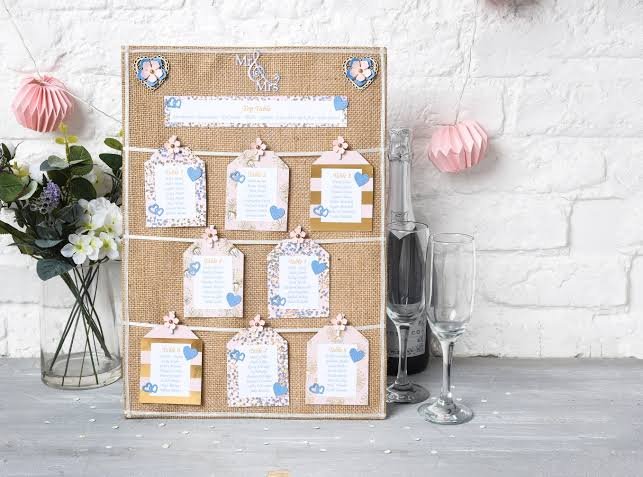
A wedding seating chart begins with names, but its purpose is practical: helping guests find their tables and giving the venue a clear arrangement to prepare. The challenge is bringing guest preferences, confirmed attendance, and the room layout together without reopening every decision whenever one detail changes.
A manageable process separates the questions. First establish who is coming and what the venue can accommodate. Then work on table groups, review the exceptions, and prepare the information needed on the day. This gives each revision a reason instead of turning the plan into a continuous reshuffle.
Confirm the room before assigning guests
Ask the venue for the layout it expects to use for your event. Confirm table identifiers, the seating capacity agreed for each table, and the areas reserved for other activities. If you have received several drawings, identify which version is current.
Discuss proposed changes with the venue before treating them as settled. A diagram that looks tidy on a screen still needs to work with the actual furniture, access routes, service arrangements, and event schedule. Record decisions the venue has confirmed so they do not get lost among ideas.
Using a seating planner such as Seating Planner App can help you organise guest assignments while you consider alternatives. Its website describes importing guest names and adjusting placements manually. Start with verified room information so the digital arrangement reflects the event you are actually preparing.
Make one guest list the reference point
Choose a single list to record attendance decisions. Give each person their own entry and use the name you expect to appear on guest-facing materials. If a household invitation covers several people, confirm the individual names before assigning seats.
Keep response status separate from table assignment. Someone can be provisionally placed while their attendance is still unconfirmed, but that distinction should remain visible. Otherwise, a draft allocation can quietly become part of the final count.
Check for duplicate entries, missing partners, and inconsistent spelling. Resolve those issues before moving guests around the chart. Correcting the guest list after place cards have been produced creates extra work across several documents.
Decide which groups matter most
Begin with the people whose placement involves a firm requirement or a direct conversation. That might include a guest who has requested a particular arrangement or someone with responsibilities during the reception. Ask rather than guessing which placement would work.
Next, identify groups that would welcome sitting together. Use those relationships as starting information rather than treating every group as indivisible. A larger family or friendship circle may need more than one table, and several smaller groups may share a table comfortably.
Choose a small set of priorities with the people making the decisions. For example, you might agree to keep particular households together and review unfamiliar combinations individually. When preferences conflict, these priorities give you a consistent basis for resolving them.
Ask about access before the plan hardens
The W3C Web Accessibility Initiative’s event-planning checklist recommends asking participants about accessibility requirements and checking the venue’s accessibility. It also encourages considering the positioning of seating, screens, and speakers with participants.
For your reception, use that principle to start a practical conversation with the guest and venue. Ask what arrangement would help rather than making assumptions based on age, appearance, or someone else’s description.
Record only the information needed to carry out the agreed arrangement. Share the practical instruction with the people responsible for implementing it, and keep personal background out of public seating displays.
Build a first draft without polishing it
Assign the groups that are easiest to place, then review the remaining guests. Keep an unassigned list visible so nobody disappears from attention because the chart already looks full.
Work with the actual agreed table capacities. If one table is over capacity, identify the problem directly rather than leaving it for the venue to discover. Ask whether another grouping would work before proposing a change to the room.
At this stage, use plain table labels and postpone decorative presentation. The purpose of the draft is to expose questions. A beautiful chart is less useful than a clear list of the five placements still requiring a decision.
Review the plan with specific questions
Ask a small number of people to review defined parts of the draft. A family member might check names and household groupings; the venue might check the arrangement against its setup. Avoid sending an unexplained chart to a wide group and asking for general opinions.
Give reviewers a short checklist:
- Is every confirmed guest included once?
- Are table counts within the capacities agreed with the venue?
- Have requested arrangements been discussed and recorded?
- Are household names and guest names spelled correctly?
- Which placements still require a decision before printing?
Keep factual corrections separate from suggestions. A misspelled name needs attention regardless of seating preference. A proposed swap needs a decision about both the guest being moved and the table affected.
When accepting a suggestion, update the main plan first. Then refresh any derived list so you do not create a second version that begins to drift.
Prepare different views for different jobs
Guests need a straightforward way to find their table. Venue staff need an arrangement they can set up and a list they can use to answer questions. Caterers may need additional information agreed separately with you.
Ask each recipient what format is useful. Do not assume that a decorative table display is also an effective operational document. If you prepare more than one view, use the same names and table identifiers throughout.
Review printed materials at the size you intend to use. Check whether names and table labels remain readable, whether long names fit, and whether the order is easy to follow. Correct layout problems before producing the complete set.
Set a handover point and manage exceptions
Choose a date for handing the working plan to the venue, based on its deadlines. Label the version clearly and identify the person authorised to approve later changes.
Late changes may still happen. Keep a brief record of each change, the affected table, and who has been told. If a printed item is replaced, make sure the earlier version is removed from use.
On the day, give one designated contact the current guest list and a clear route for speaking with the venue. That person should know which changes they can resolve and which need your approval.
Make the plan easy to follow
A useful wedding seating plan brings confirmed people, workable table groups, and venue information into agreement. Start with reliable inputs, resolve the important questions, and check every output against the same list. The result should be understandable to guests and practical for the people helping the reception run.
