


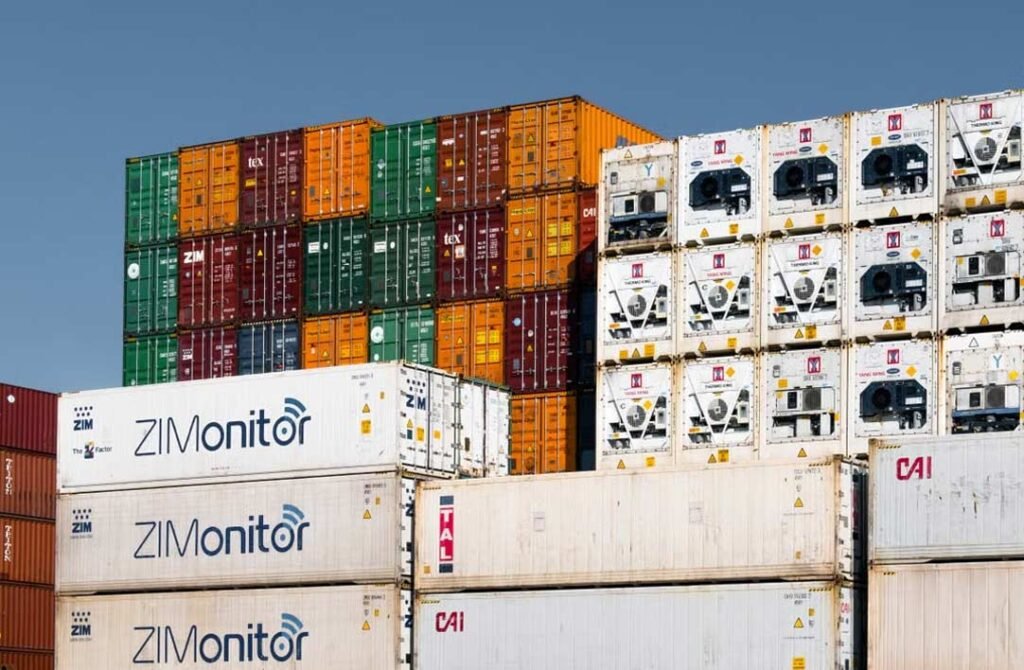
Extra cold storage is one of those business needs that can appear almost overnight. A refrigeration failure, seasonal rush, large event, renovation, or unexpected order can leave a company with more temperature-sensitive inventory than its existing facilities can safely handle. Building permanent capacity for a temporary problem rarely makes financial sense, yet doing nothing can put valuable stock at risk. Refrigerated container rentals offer a middle ground: additional controlled storage that can be brought on-site when needed and removed when demand returns to normal.
Recognize When Temporary Capacity Makes Sense
The first question is not whether a refrigerated container would be useful. It is how long the additional capacity will actually be needed.
A business experiencing predictable seasonal peaks may only require extra refrigeration for several weeks or months each year. Another may need emergency capacity while permanent equipment is repaired. Events, renovations, product launches, and short-term contracts can create similar pressure.
In those situations, ownership may introduce costs that continue long after the immediate need disappears. Purchasing means committing capital upfront and taking responsibility for maintenance, repairs, storage, and potentially transportation.
Renting changes that calculation. The business pays for capacity during the period it is useful without necessarily carrying the equipment afterward.
That flexibility can be particularly valuable when future demand remains uncertain.
Protect Inventory When Existing Capacity Falls Short
For businesses handling perishable goods, insufficient refrigeration is more than an inconvenience. It can become a food-safety and inventory-loss problem surprisingly quickly.
Cold storage needs to provide both suitable temperatures and enough room for chilled air to circulate. For food operations, maintaining the appropriate temperature is especially important; refrigerated foods generally need to remain properly chilled according to the requirements that apply to the product.
When additional space is needed quickly, cold storage containers for rent can provide temporary refrigerated capacity on-site without waiting for a permanent facility expansion. That can be useful during equipment breakdowns, renovations, seasonal inventory increases, or other periods when normal refrigeration is no longer sufficient.
The value is not simply having another place to put stock. It is having usable temperature-controlled space close enough to operations that employees can continue working efficiently.
Match the Unit to What You Are Storing
“Cold” is not a precise specification.
Fresh produce, frozen foods, flowers, pharmaceuticals, and temperature-sensitive industrial materials may all require different storage conditions. A unit that works perfectly for one product may be unsuitable for another.
Before renting, establish the required temperature range and determine how closely it needs to be maintained. Consider how often employees will open the doors, how quickly inventory turns over, and whether temperature records or alarms are necessary.
Food businesses should be particularly careful about these details. Keeping refrigerators at 40°F (4°C) or below and freezers at 0°F (-18°C) is a useful benchmark for safe household food storage, while applicable commercial requirements and individual product specifications should always be followed.
Maintaining safe refrigerated food temperatures also depends on avoiding excessive packing because cold air needs room to circulate around stored products.
Capacity, therefore, is not simply about how many boxes physically fit inside the container. Usable capacity depends on arranging them without compromising airflow or safe access.
Plan the Site Before the Container Arrives
Portable refrigeration may be flexible, but it still needs infrastructure.
The placement area should be stable, reasonably level, and accessible to the delivery vehicle. Employees also need a practical route between the container and the main operation. Putting the unit in an inconvenient corner of the property may technically solve the storage problem while creating a new workflow problem every time someone needs inventory.
Power deserves equal attention.
Confirm electrical requirements before delivery and make sure the site can safely support the unit. Waiting until a refrigerated container is sitting outside full of inventory to discover that the electrical supply is unsuitable is an expensive form of troubleshooting.
Think about drainage, door clearance, security, lighting, and how deliveries will interact with normal traffic around the site as well.
A little planning before arrival can prevent hours of operational frustration later.
Look Beyond the Monthly Rental Price
Price matters, but the advertised rental rate rarely tells the entire story.
Delivery and collection charges may apply. Power consumption becomes an ongoing operating expense. Longer rental periods may be priced differently from short-term arrangements, and some agreements may include service support that others charge separately.
The better comparison is total cost against the alternative.
Imagine a refrigeration failure that puts a large amount of perishable inventory at risk. The cost of temporary cold storage may be minor compared with replacing spoiled products, delaying orders, disappointing customers, or shutting down part of the operation.
The same logic applies to seasonal demand. If additional refrigerated capacity allows a business to accept profitable orders it would otherwise have to decline, the rental is not merely an expense. It is supporting revenue.
That is a more useful way to evaluate the decision than simply asking which unit has the lowest monthly rate.
Make Safe Access Part of the Setup
Cold storage affects employees as well as products.
Staff may need to enter the unit repeatedly to load, organize, count, or retrieve inventory. That makes safe access and sensible organization important from the beginning.
Boxes should not create unstable stacks or obstruct walkways. Doors must remain usable, and employees working in cold environments need appropriate protection for the conditions.
Building safe working practices for refrigerated storage into daily operations can help address risks associated with cold exposure, slippery surfaces, and working inside refrigerated areas.
Good organization also improves efficiency. Frequently needed inventory can remain closer to the entrance, while clear labeling reduces the amount of time employees spend searching inside the unit.
A rental should make the operation easier, not create another bottleneck.
Avoid Treating the Container Like an Oversized Closet
One of the easiest mistakes is assuming that empty space should be filled completely.
Refrigeration depends on airflow. Packing products tightly against walls or blocking circulation paths can contribute to uneven temperatures. Constantly opening the doors can also make temperature management harder.
Establish a simple storage plan before loading.
Group products logically, maintain suitable clearance for airflow, and decide how inventory will rotate. If products have expiration dates, a first-in, first-out approach may help reduce waste.
Temperature checks should also become part of the routine rather than something employees remember only when a problem is suspected.
Portable cold storage works best when it is treated as operational equipment rather than spare warehouse space.
Know When Renting Stops Being the Best Option
Renting is valuable because it provides flexibility, but flexibility has a price.
If a business uses additional refrigerated storage continuously year after year, the economics may eventually favor a permanent solution or equipment purchase. Repeated rentals can become a signal that what began as temporary overflow has turned into normal operating demand.
Track how often additional capacity is required, how long each rental lasts, and what it costs over time.
If the same problem keeps returning, compare the long-term cost of renting with purchasing equipment or expanding permanent refrigeration. There is no universal point at which ownership becomes better; maintenance, financing, available space, and future growth all influence the calculation.
Choose Capacity That Fits the Business
Cold storage decisions ultimately come down to timing, risk, and flexibility.
A rental can make strong business sense when the need is urgent, seasonal, project-based, or uncertain. It allows companies to respond to changing demand without immediately committing to permanent infrastructure.
But the unit itself is only part of the solution. Temperature requirements, airflow, electrical supply, site placement, staff access, monitoring, and rental terms all need to fit the operation.
When those details are planned properly, temporary refrigeration becomes more than emergency backup. It becomes a practical way to protect inventory, maintain workflow, and give a business room to respond when demand—or an unexpected problem—outgrows the cold space it already has.
