


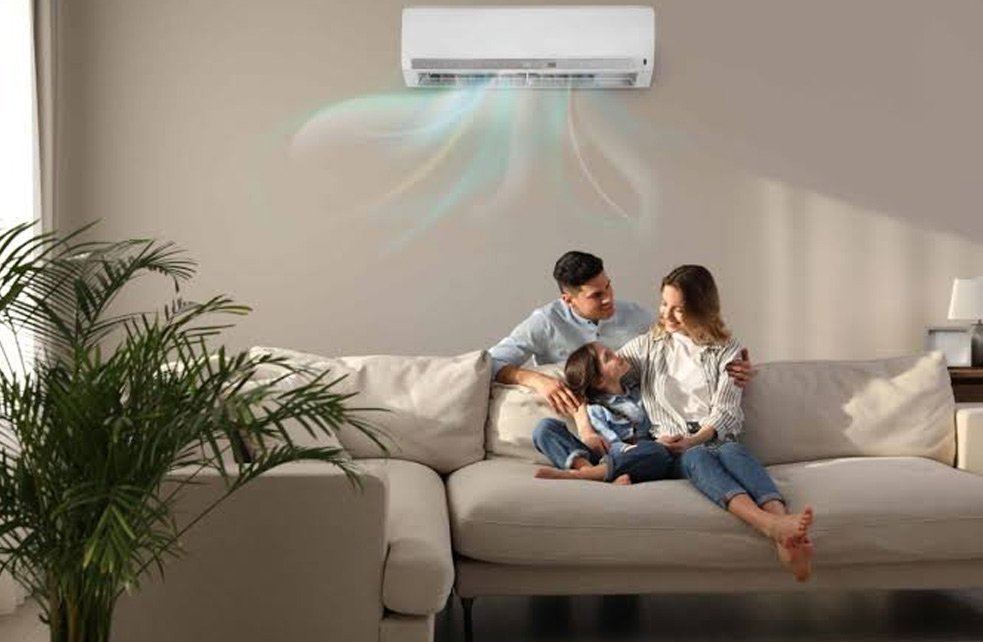
Maintaining a comfortable indoor environment requires a dependable system that can respond to changing temperatures throughout the year. Whether a property needs warmth during colder conditions or effective cooling when temperatures increase, the performance of its climate control equipment can have a direct impact on comfort, energy use, and everyday convenience. Modern heating and cooling systems are designed to provide temperature control while supporting efficient operation, but even well-designed equipment requires professional installation, regular maintenance, timely repairs, and careful attention to changing performance. When a system begins showing signs of reduced efficiency or inconsistent operation, professional service can help identify the underlying cause and restore dependable performance.
Heating and cooling equipment contains numerous components that work together to control indoor conditions. Thermostats, electrical controls, motors, blowers, coils, filters, ductwork, and other mechanical parts all have important roles in the overall operation of the system. If one component begins to malfunction, the effects may become noticeable throughout the property. Rooms may become warmer or cooler than expected, airflow may weaken, energy consumption may increase, or the equipment may begin operating for longer periods. These changes should not be ignored because they can indicate developing problems that may become more difficult to address if they are allowed to continue.A proactive approach to system care allows property owners to respond to problems before they become major disruptions. Regular professional inspections provide an opportunity to evaluate equipment condition, identify developing concerns, and discuss practical solutions. Whether the system needs routine maintenance, repair, installation, replacement planning, or airflow evaluation, working with qualified professionals can help maintain dependable indoor comfort and protect the investment made in important heating and cooling equipment.
Understanding the Importance of Complete Temperature Control
Indoor temperature control involves much more than simply adjusting a thermostat. A properly functioning system must generate or transfer the appropriate amount of heating or cooling while distributing conditioned air throughout the property. If one part of the process is not working correctly, the desired temperature may not be maintained consistently. This can create discomfort and may also cause the equipment to operate longer or harder than necessary.
The thermostat serves as an important communication point between the occupants and the equipment. When the thermostat detects that the indoor temperature differs from the selected setting, it communicates with the system to begin or stop operation. However, the thermostat cannot compensate for every equipment problem. If airflow is restricted, mechanical components are worn, or electrical controls are malfunctioning, changing the thermostat setting may not solve the underlying issue.A complete evaluation considers the relationship between equipment performance, airflow, controls, and property conditions. This broader approach can help identify why certain rooms are uncomfortable or why the system is struggling to maintain the desired temperature. Instead of repeatedly adjusting settings, property owners can benefit from professional guidance that addresses the actual source of the problem.
The Role of Professional Installation
Proper installation provides the foundation for long-term equipment performance. Before a new system is selected, the needs of the property should be carefully evaluated. Factors such as building size, layout, insulation, windows, occupancy, ductwork, and existing infrastructure can influence the appropriate equipment requirements. Selecting a system without considering these factors may result in inconsistent comfort or unnecessary equipment strain.Correct sizing is particularly important. Equipment that is too small may struggle to maintain comfortable temperatures during demanding conditions, while equipment that is not properly matched to the property may operate inefficiently. Professional installation helps ensure that the equipment is selected and configured according to the needs of the space.Installation also includes important technical details that affect future performance. Electrical connections, controls, drainage, airflow, and equipment positioning must all be handled correctly. Once installation is complete, the system should be tested to confirm that it is operating as intended. Careful installation creates a stronger foundation for future maintenance and can help reduce avoidable performance problems.
Recognizing Common System Problems
Heating and cooling problems can appear in many different ways. One common concern is inconsistent temperature control, where some rooms remain comfortable while others become noticeably warmer or cooler. This may be caused by airflow restrictions, ductwork problems, equipment performance, insulation, thermostat issues, or other property conditions.Reduced airflow is another warning sign that deserves attention. If vents are producing less conditioned air than they previously did, the system may be experiencing a restriction or mechanical concern. Filters can affect airflow when they become heavily restricted, but other components may also contribute to reduced air movement.Unusual noises can provide another indication that professional service is needed. New rattling, buzzing, grinding, clicking, or banging sounds may indicate that a component requires inspection. While some operational sounds are normal, significant changes should be evaluated rather than ignored.Frequent cycling can also be a sign of an underlying problem. When equipment repeatedly starts and stops, it may experience additional wear while failing to provide consistent comfort. Longer operating cycles can also indicate that the system is struggling to meet the property’s temperature requirements.Unexpected changes in energy consumption may provide another useful warning sign. Although energy use naturally varies according to weather and property conditions, a sudden unexplained increase may indicate that the system is working harder than necessary.
Why Professional Diagnostics Matter
Accurate diagnostics are an essential part of effective service because similar symptoms can have very different causes. For example, poor cooling may result from an airflow restriction, equipment problem, thermostat issue, or another condition. Replacing a component without determining the actual cause may not solve the problem.Professional technicians evaluate the system systematically to understand how it is operating. Depending on the reported issue, this may involve examining controls, electrical connections, airflow, mechanical components, filters, thermostat operation, and other relevant areas. The goal is to determine what is affecting system performance and what type of service is appropriate.Diagnostics become especially valuable when a problem repeatedly returns. Recurring issues may suggest that an earlier repair addressed only the visible symptom rather than the underlying cause. A comprehensive evaluation can help identify contributing factors and support a more effective long-term solution.Accurate diagnostics also help property owners make informed decisions. Instead of guessing whether equipment needs a repair or replacement, they can receive professional information about its current condition and expected performance.
The Value of Preventive Maintenance
Routine maintenance is one of the most effective ways to support dependable equipment performance. Heating and cooling systems operate for extended periods, and normal use can cause wear on mechanical and electrical components. Regular professional maintenance creates an opportunity to identify developing concerns before they become significant problems.Maintenance may involve evaluating overall system operation, inspecting accessible components, checking airflow, examining controls, and identifying signs of wear. The exact service requirements depend on the type, age, and condition of the equipment.Preventive maintenance can also help property owners understand the condition of their systems. If a technician identifies a component that is beginning to wear, the property owner may have time to plan for service rather than waiting for an unexpected failure.Although maintenance cannot prevent every possible breakdown, it can reduce the likelihood of certain avoidable problems and provide useful information for future planning. Regular service is therefore an important part of responsible equipment ownership.
Airflow and Temperature Distribution
Airflow has a major influence on indoor comfort. Even when the main heating or cooling equipment is functioning correctly, a property may still experience uneven temperatures if conditioned air cannot move effectively through the building.Filters, ductwork, vents, blowers, and other airflow components all contribute to air distribution. A heavily restricted filter can reduce airflow, while ductwork concerns may prevent conditioned air from reaching certain rooms efficiently. Blocked vents or mechanical issues can create similar symptoms.When some rooms consistently feel warmer or cooler than others, property owners should consider a complete system evaluation. The issue may not originate from the main equipment. Evaluating airflow and distribution can help identify the actual source of inconsistent comfort.Improving airflow can also support better equipment performance. When air moves properly through the system, the equipment may not need to operate under unnecessary strain. Professional evaluation can help determine whether airflow improvements are needed and what approach may be appropriate.
Improving Energy Efficiency
Energy efficiency is an important consideration for property owners because heating and cooling equipment can represent a significant portion of a property’s energy use. However, efficiency is influenced by more than the equipment’s specifications. Maintenance, installation quality, airflow, thermostat operation, insulation, ductwork, and equipment condition can all affect energy performance.A system that is not operating properly may need to run longer to achieve the desired temperature. Restricted airflow or worn components can contribute to unnecessary equipment strain. Professional maintenance and timely repairs can help identify conditions that may be affecting system efficiency.Property owners should also consider the condition of the overall building. Poor insulation, air leakage, or inefficient ductwork may increase heating and cooling demands even when the equipment itself is functioning properly. A complete evaluation can provide a better understanding of the factors influencing energy use.Improving efficiency should therefore involve a balanced approach. Addressing equipment problems while considering airflow and property conditions can provide more meaningful results than focusing on a single component.
Professional Repair Services
Heating and cooling equipment can experience many different types of problems throughout its service life. Mechanical components may wear, electrical connections may require attention, airflow may become restricted, and controls may not operate correctly. Professional repair services help identify these concerns and restore equipment performance when repair remains a practical option.Timely service is important because continuing to operate equipment with an unresolved problem can create additional stress. A component that is not functioning properly may cause other parts to work harder, potentially increasing wear and reducing reliability.Professional technicians can evaluate the reported symptoms and inspect the system to determine the appropriate repair. The objective should be to address the underlying problem rather than simply providing a temporary solution.Property owners can benefit from clear explanations about the condition of their equipment and the reason a particular repair is recommended. This information allows them to make informed decisions and understand how the service supports long-term system performance.
When Replacement May Be Appropriate
Repair is not always the best long-term solution, particularly when equipment has reached an advanced stage of wear. Frequent breakdowns, declining efficiency, repeated major repairs, and aging components may indicate that replacement should be considered.Replacing equipment is a significant decision, so property owners should ideally evaluate their options before an emergency occurs. Planning ahead provides more time to compare equipment, consider installation requirements, and determine which features are most appropriate for the property.A professional assessment can help determine whether continued repairs remain practical. If the system is generally reliable and develops an isolated problem, repair may make sense. If major components are repeatedly failing, replacement may offer better long-term value.The right decision depends on the actual condition of the equipment, the property’s comfort requirements, and the expected future costs of continued service. Professional guidance can help property owners evaluate these factors objectively.
Indoor Air Quality and Comfort
Temperature is only one part of indoor comfort. Air quality, humidity, filtration, ventilation, and airflow can also influence how occupants experience a property. A complete approach to heating and cooling should therefore consider the broader indoor environment.Air filters can help capture certain airborne particles before air moves through the system. Proper filter care is important because excessive restriction can affect airflow and equipment performance. Ventilation also plays a role in maintaining indoor conditions by supporting appropriate air movement.Humidity can influence comfort as well. Excessive moisture may make indoor conditions feel warmer, while insufficient humidity can contribute to discomfort in other circumstances. Professional evaluation can help property owners understand whether additional system considerations may be appropriate.Combining temperature control with attention to airflow and indoor air conditions can create a more comfortable overall environment. Professional service can help identify opportunities to improve different aspects of system performance.
Choosing a Professional Service Team
Choosing an experienced service team is an important part of maintaining reliable heating and cooling equipment. Qualified professionals can provide support throughout the life of a system, including installation, maintenance, diagnostics, repairs, and replacement planning.Professional knowledge is particularly valuable because system problems are not always obvious. Similar symptoms may have different causes, and identifying the correct cause requires an understanding of how mechanical, electrical, airflow, and control components interact.A reliable service team can also help property owners plan rather than simply react to emergencies. Maintenance records, equipment evaluations, and professional recommendations can provide useful information when decisions about repairs or replacement need to be made.Clear communication should be part of every service experience. Property owners should understand what condition their equipment is in, what work is recommended, and how that work can support future performance. This creates greater confidence and makes long-term equipment management easier.
Creating a Long-Term Maintenance Plan
A long-term maintenance plan can help property owners stay ahead of equipment concerns. Regular professional inspections provide opportunities to identify developing problems, while monitoring system performance can help property owners notice changes between service visits.Important signs to watch include unusual noises, reduced airflow, inconsistent temperatures, frequent cycling, longer operating periods, and unexpected changes in energy use. These symptoms do not necessarily indicate a major failure, but they should be evaluated when they persist or become noticeable.Keeping records of maintenance and repairs can also support better planning. Service history can reveal recurring issues and provide information about how the equipment has performed over time. This information can become especially useful when evaluating future repairs or replacement.A proactive strategy can reduce the stress associated with unexpected breakdowns and help property owners make decisions based on equipment condition rather than emergency circumstances.
Supporting Year-Round Comfort
Reliable heating and cooling requires attention throughout the year rather than only when equipment stops working. Seasonal changes place different demands on the system, making routine maintenance and performance monitoring important.During periods when heating is needed, property owners should pay attention to how effectively the system distributes warmth. During cooling periods, they should monitor cooling performance, airflow, and unusual operating behavior. Changes in performance can provide early indications that professional attention may be needed.Maintaining consistent comfort also involves considering the entire property. Insulation, windows, ductwork, airflow, and thermostat settings can all affect the performance of the main equipment. A professional evaluation can help identify factors that may be preventing the system from delivering the expected level of comfort.A complete approach provides better opportunities to maintain reliable indoor conditions throughout changing seasons.
Conclusion
Reliable indoor comfort depends on a combination of proper equipment selection, professional installation, routine maintenance, accurate diagnostics, timely repairs, effective airflow, and long-term planning. Heating and cooling systems contain many interconnected components, and the performance of one part can influence the operation of the entire system. Paying attention to changes in temperature control, airflow, energy use, sounds, and operating patterns can help property owners identify concerns before they become major disruptions.Professional service provides valuable support throughout the life of heating and cooling equipment. Whether a property needs installation, preventive maintenance, system diagnostics, repair, replacement planning, or assistance with airflow and indoor comfort, qualified technicians can evaluate the equipment and recommend appropriate solutions based on its actual condition.Taking a proactive approach to system care can help reduce unnecessary equipment stress, support more efficient operation, and maintain dependable comfort. Rather than waiting for a complete breakdown, property owners can benefit from regular inspections and timely attention to developing concerns. With proper professional care, a well-maintained heating and cooling system can provide reliable temperature control, improved comfort, and stronger long-term performance.
