


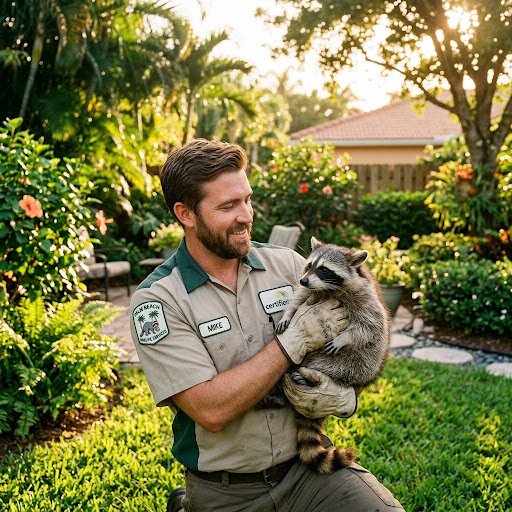
Palm Beach County is one of the most biodiverse places to call home in the United States. Between the mangroves, canals, and lush backyards, residents share their neighborhoods with an impressive cast of wild creatures — some charming, others less welcome once they’ve made a nest in your attic or a burrow under your pool deck.
If you’ve ever heard scratching in your ceiling at 2 a.m. or spotted an iguana sunbathing on your patio furniture like it pays rent, you already know that South Florida wildlife doesn’t always respect property lines. The good news? You don’t have to handle these encounters alone, and you definitely don’t need to resort to guesswork or risky DIY methods.
This post breaks down the most common wildlife challenges Palm Beach homeowners face, why professional intervention matters, and how a trusted local team can help you restore peace to your property without harming the animals involved.
Why Palm Beach Attracts So Much Wildlife
Palm Beach’s warm, humid climate and abundance of green space make it a haven for wildlife year-round. Unlike colder regions where animals hibernate or migrate, South Florida’s critters stay active in every season, which means human-wildlife encounters happen far more frequently here than in most parts of the country.
A few key factors contribute to this:
- Year-round warmth: Consistent temperatures mean animals never truly go dormant, so nesting, foraging, and reproducing continue nonstop.
- Abundant water sources: Canals, lakes, and wetlands attract everything from otters to alligators.
- Suburban sprawl into natural habitats: As neighborhoods expand into what used to be undeveloped land, animals adapt by moving into attics, sheds, and crawl spaces instead of relocating elsewhere.
- Access to food: Unsecured trash cans, pet food left outdoors, and fruit trees are all irresistible invitations for raccoons, opossums, and rodents.
Understanding why these animals show up in the first place is the first step toward keeping them out for good.
The Most Common Culprits in Palm Beach Backyards
Iguanas
Green iguanas have become a fixture across South Florida, and Palm Beach is no exception. These reptiles burrow into seawalls, damage landscaping, and leave droppings on docks, patios, and pool decks. While mostly harmless to humans, they can carry salmonella and cause real structural damage over time.
Raccoons and Opossums
Both are notorious for finding their way into attics and chimneys, especially during nesting season. Once inside, they can chew through wiring, insulation, and ductwork, turning a minor nuisance into a costly repair bill.
Rodents
Rats and mice thrive in the warm climate and often enter homes through the smallest of gaps. Beyond the property damage, they pose health risks by contaminating food and spreading disease.
Snakes
Palm Beach is home to both harmless and venomous snake species. Knowing the difference — and knowing when to call a professional rather than attempt removal yourself — can be the difference between a quick fix and a trip to the emergency room.
Bats
Bats are protected under Florida law, which means removing them requires specific permits and humane exclusion techniques rather than extermination. This is one of the clearest examples of why professional wildlife removal matters: doing it wrong isn’t just ineffective, it can be illegal.
Why DIY Wildlife Removal Often Backfires
It’s tempting to grab a ladder, a flashlight, and a pair of gloves to solve the problem yourself. But wildlife removal is trickier than it looks, and a botched attempt can make things worse.
Here’s why:
- Animals often return: Simply removing an animal without sealing entry points means you’ll likely deal with the same issue again within weeks.
- Babies get left behind: If a mother animal is removed without locating her nest, orphaned young can die inside your walls, leading to unpleasant odors and secondary pest issues.
- Legal protections apply to certain species: Bats, some birds, and other protected wildlife require specific handling under Florida and federal law.
- Injury risk is real: Bites, scratches, and exposure to diseases like rabies or leptospirosis are genuine hazards when handling wild animals without proper training.
Professional wildlife removal isn’t just about convenience. It’s about doing the job safely, humanely, and in a way that actually prevents future problems.
What to Expect from Professional Wildlife Removal
A qualified wildlife removal team follows a structured process designed to solve the problem at its root rather than offering a temporary fix. Typically, this includes:
- Inspection: Identifying the species involved, the extent of the infestation, and how the animals are gaining access.
- Humane removal: Using trapping and exclusion methods that prioritize the animal’s safety while resolving the issue effectively.
- Exclusion and repairs: Sealing entry points, repairing damaged screens or vents, and reinforcing vulnerable areas to prevent re-entry.
- Sanitation: Cleaning up droppings, nesting material, and contamination left behind, which is critical for both health and odor control.
- Prevention advice: Offering practical tips on securing trash, trimming vegetation, and other steps to reduce the likelihood of future encounters.
This kind of thorough, multi-step approach is what separates a lasting solution from a short-term patch job.
Choosing a Wildlife Removal Partner You Can Trust
Palm Beach Wildlife Services takes the stress out of dealing with unwanted animal encounters by combining local expertise with humane, effective removal techniques tailored to South Florida’s unique wildlife challenges. From iguanas on the seawall to raccoons in the attic, having a knowledgeable team on your side means faster resolutions, safer outcomes for both you and the animal, and long-term peace of mind for your household.
What sets a strong wildlife removal partner apart isn’t just their ability to remove an animal — it’s their commitment to preventing the problem from recurring. That means thorough inspections, transparent communication, and follow-up support if issues arise again.
When you’re dealing with wildlife in your home, you want a team that understands local regulations, respects the animals involved, and treats your property with the same care they’d give their own.
Protecting Your Home Without the Guesswork
Wildlife encounters are simply part of life in Palm Beach County, but they don’t have to be a constant source of stress. Whether it’s a family of raccoons in your attic or an iguana that’s decided your backyard is prime real estate, the right professional support makes all the difference between a recurring headache and a resolved problem.
If you’re noticing signs of wildlife activity around your home, don’t wait for the situation to escalate. Early intervention is almost always easier, safer, and more cost-effective than dealing with an entrenched infestation months down the line.
