


Comfort problems often get blamed on “old equipment,” when the real culprit is airflow. Your furnace, air conditioner, or heat pump depends on the right volume of air moving through return grilles, the blower, ductwork, the evaporator coil, and supply vents. Small choices at home, such as closing a few vents, using an overly tight filter, or pushing a sofa over a return, can raise static pressure, overheat a heat exchanger, cause a frozen coil, and shorten equipment life. With hot spells and cold snaps getting harder on systems each year, a little airflow literacy goes a long way. Here is how airflow really works, the mistakes that quietly undermine it, and practical fixes to put in place before peak season.
-
Airflow, Static Pressure, and Temperature Rise: The Rules Your System Runs On
Every system is engineered for a target airflow range that matches the blower’s capabilities, the duct design, and the coil’s resistance. When static pressure climbs because of restrictions, the blower delivers fewer cubic feet per minute (CFM), which drives up a furnace’s temperature rise and can trip the high-limit switch. On cooling, low airflow drops coil temperature too far, icing the evaporator and starving rooms of supply air. These relationships are baked into the fan’s performance curve, the coil’s pressure drop, and the furnace’s rated temperature rise window. In plain terms, if air cannot get in through returns and out through supplies freely, comfort and reliability suffer.
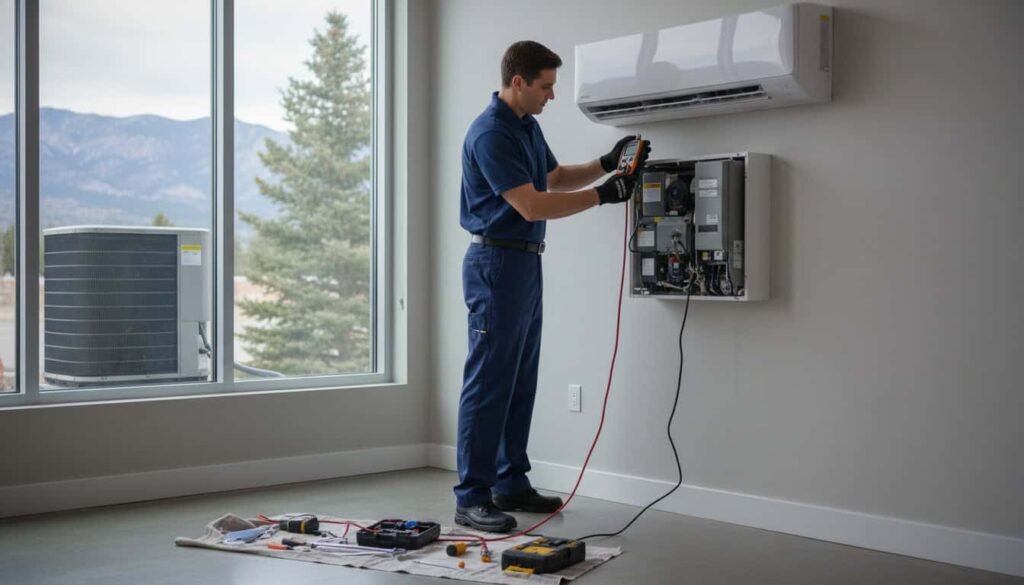
During a tune-up, a licensed contractor, such as Evans Heating & Cooling, can measure external static pressure with a manometer, check temperature rise across the heat exchanger, and compare blower speed settings to the coil and furnace ratings. That data makes airflow visible. At home, you will not have gauges, but you can spot symptoms tied to pressure and flow: whistling return grilles, rooms that only cool with the fan set to On, a warm-air furnace that short-cycles, or a suction line wrapped in ice.
-
The Vent Closing Habit That Drives Up Static Pressure
Many households try to “save energy” by shutting supply registers in spare bedrooms or closing doors to isolate cool air. That habit raises duct static pressure, increases leakage at weak seams, and can force air through gaps in the air handler rather than through the coil. In cooling, the higher pressure lowers airflow across the evaporator, inviting coil freeze and water on the floor when it thaws. In heating, reduced flow pushes furnace temperature rise beyond its rating, fatiguing the heat exchanger. Picture a split level where basement vents are shut, and bedroom doors stay closed: you hear a wheeze at the return grille, the upstairs turns clammy, and the condensing unit short-cycles on a hot afternoon.
Keep supply vents open and ensure every closed room has a return path. A transfer grille, jump duct, or a properly sized undercut door can relieve pressure when doors are closed. If you need true zoning, use a designed zone system with dampers, a pressure-relief strategy, and controls that match the equipment. Skip magnetic sheet metal covers on returns, and don’t block supply registers with rugs or furniture. The goal is simple: let the blower breathe without fighting needless resistance.
2. Filters and Return Grilles: Matching MERV and Size to Your Blower
Filters are a classic trade-off. Higher MERV ratings capture smaller particles, but in a 1-inch frame they can be quite restrictive as they load with dust. An undersized filter rack or a filter with air gaps around the frame can either choke the blower or bypass dust straight into the coil. If allergies push you toward high MERV filtration, consider a deeper 3- to 5-inch media cabinet that provides more surface area at lower pressure drop. Seat the filter with the airflow arrow facing the blower, seal any gaps at the filter rack with foil tape, and change it on a schedule shaped by pets, smoking, and construction dust.
Returns matter as much as filters. A single undersized return can howl and still starve the system. Make sure return grilles aren’t buried behind drapes or sofas, and that wall cavities used as returns are properly lined to avoid noise and leakage. If you have a variable speed ECM blower, it may try to compensate for a restrictive filter or small return by ramping up, which can add noise and energy use while still missing target CFM. Adding return, upsizing a noisy grille, or installing a larger media cabinet can lower static pressure and stabilize temperatures in far rooms.
-
Coils, Clearances, and Condensate: Airflow Partners You Can See
Airflow does not stop at drywall. Outdoors, your condenser needs room to shed heat. Keep at least a foot of clearance on all sides, trim shrubs, and divert dryer vents so lint does not mat onto fins. Cottonwood fluff and grass clippings can blanket the coil, raising head pressure and stressing the compressor. Resist the urge to shrink-wrap the unit for winter with plastic; it traps moisture against the coil and invites corrosion. If cleaning is needed, turn off power, gently rinse from the cleaner side of the coil toward the outside, and avoid bending fins.
Indoors, a grimy evaporator coil restricts airflow and can contribute to icing. Cooking oils and bypassed dust act like glue on fins. Keep the condensate drain clear, as a clogged line can trigger a safety float switch and shut cooling down. A clear vinyl tube with an algae bloom or a dry trap is a red flag. Pour a small amount of white vinegar into the cleanout to discourage growth, verify the primary drain is flowing, and inspect the secondary pan under attic air handlers for signs of overflow. Good airflow depends on clean heat-transfer surfaces and a clear path for water to exit.
A Five-Minute Home Airflow Check Before the Next Heat Wave
Start at the filter: if it looks bowed, gray, or noisy at the edges, replace it and ensure the frame fits snugly. Walk the house and open every supply vent; aim louvers away from walls and out from under rugs. Find every return grille; move furniture or curtains blocking it, and vacuum dust mats from the face. Step outside and clear 18 inches around the condenser; look for cottonwood or leaves matted on the coil. With cooling running, feel for a steady pull at returns and a firm push at supplies. If comfort improves with the thermostat fan set to On, airflow is marginal; just remember continuous fan can raise summer humidity if ducts run through a hot attic.
Call a professional if you see frost on the suction line, hear repeated clicking as a furnace hits its limit switch, or find water pooling under the indoor unit. Airflow diagnosis often requires measuring static pressure, checking coil pressure drop, and confirming duct leakage, work that is best done with a manometer, temperature probes, and an experienced eye. A pro can recommend the right fix, whether that is adding a return, upsizing a filter cabinet, adjusting blower speed, sealing ducts, or balancing registers. Tuning airflow before peak season pays you back with steadier temperatures, quieter operation, and less stress on expensive components.
