


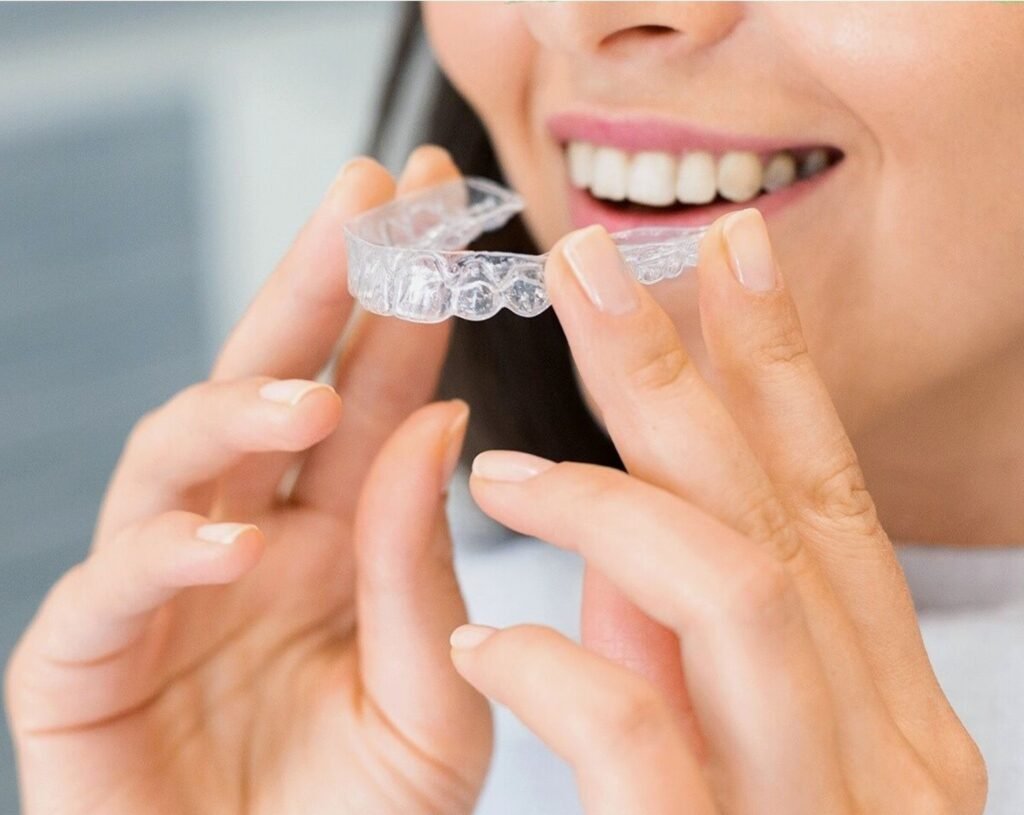
Your smile can affect more than photos. Small alignment problems may seem mostly cosmetic, but crowding, spacing, and bite issues are remarkably common. Research using U.S. population data found that only about 35% of adults had well-aligned lower front teeth, while 57% to 59% of the population had at least some level of orthodontic treatment need.
Orthodontic treatment is no longer mainly associated with teenagers, either. The American Association of Orthodontists reports that 1 in 3 orthodontic patients is now an adult. Its latest patient census estimated approximately 1.91 million adults were receiving treatment from AAO members in the United States in 2024, up from about 1.64 million in 2022.
So, if a few teeth sit slightly out of place, exploring your options isn’t unusual. Small alignment concerns may have targeted treatment options, depending on your bite and overall oral health. You don’t always need an extensive orthodontic overhaul to make a noticeable correction; the right approach depends on what actually needs to move.
What counts as a minor alignment problem
Not every crooked smile needs years of brackets and wires. Minor alignment treatment usually focuses on small cosmetic or functional issues, such as a slight gap, mild crowding, or one tooth that decided to ignore the group project.
A minor teeth alignment treatment is generally designed for limited tooth movement rather than major bite correction. That means it may work well if your teeth are mostly in good shape and only need a touch-up.
Common cases include:
– Slight spacing between front teeth
– Mild overlap or crowding
– Teeth that shifted after past orthodontic treatment
– Small alignment issues that affect smile appearance
It’s a more focused category of care, not a shortcut for every orthodontic problem.
Signs you might be a good candidate
You may be a strong candidate if your concerns are visible but not severe. Think of the kind of issue you notice in the mirror right away, yet your dentist hasn’t described as a major bite problem.
Good candidates often have healthy gums, strong teeth, and realistic expectations. If your jaw alignment is fine and your concern is limited to a few teeth, treatment may be straightforward.
You might qualify if:
– You had braces before, and your teeth shifted a little
– One or two front teeth are slightly crooked
– Small gaps bother you when you smile
– You want cosmetic improvement without extensive treatment
An orthodontist still needs to confirm that the issue is truly minor. Some cases look simple but involve deeper bite mechanics under the surface.
Treatment options you’re most likely to see
When the problem is small, the treatment menu usually becomes more flexible. Clear aligners are a popular option because they’re discreet and removable. They appeal to teens and adults who want results without broadcasting every step.
In some cases, limited braces may still make the most sense. Traditional brackets can offer precise control, especially when one stubborn tooth needs a clear message. Retainers can also help in certain relapse cases, though they aren’t a cure-all.
Your orthodontist may recommend:
– Clear aligners for mild crowding or spacing
– Short-term braces for controlled movement
– Retainers for minor post-treatment shifting
– Cosmetic contouring or bonding alongside alignment care
The right choice depends on tooth position, compliance, and how much movement is actually needed.
How long treatment usually takes and what affects the timeline
One reason people look into minor treatment is speed. Compared with full orthodontic care, the timeline is often shorter. Some cases wrap up in a few months, while others take closer to a year.
The exact timing depends on several factors. Teeth don’t move on command just because you’re impatient. Biology still runs the show.
A timeline can be influenced by:
– How far the teeth need to move
– Whether you wear aligners as instructed
– Your age and bone response
– The type of appliance used
– Whether bite adjustments are needed
If you’re using removable aligners, consistency matters a lot. Wearing them sporadically can drag out treatment and affect results. Minor treatment may be shorter, but it still rewards discipline.
Cost, maintenance, and everyday lifestyle factors
Price matters, and so does convenience. Minor treatment often costs less than comprehensive orthodontics, but the range can still vary based on provider, location, and treatment type.
Clear aligners may cost more than you expect if multiple trays or refinements are needed. Limited braces can sometimes be a better value. Insurance may help in some cases, though many plans have strict orthodontic limits.
Before you start, ask about:
– Total cost and payment plans
– Retainer fees after treatment
– Office visit frequency
– Emergency visits for broken appliances
– What happens if treatment takes longer than expected
Lifestyle counts too. Aligners need cleaning, careful storage, and commitment during meals. Braces require food awareness and better brushing habits. Neither option is difficult, but both ask you to stay organized.
What results can realistically look like
The goal of minor treatment is improvement, not perfection engineered by cinematic lighting. In many cases, small shifts create a big visual difference. A front tooth straightened by a few millimeters can completely change how balanced your smile looks.
That said, realistic expectations matter. Minor treatment can refine alignment, but it may not correct larger bite concerns, facial asymmetry, or every cosmetic issue. Some people also need whitening, bonding, or reshaping afterward to get the look they want.
You should ask to see before-and-after cases similar to your own. Digital scans and treatment previews can help, but they’re not magic guarantees.
Strong results often come from a combination of:
– Accurate diagnosis
– Consistent wear or appliance care
– Good oral hygiene
– Wearing retainers after treatment ends
The retainer stage is not optional housekeeping. It protects the investment.
Questions to ask before choosing a provider
Choosing a provider isn’t just about finding someone who offers aligners and has a polished waiting room. You want experience with limited-case orthodontics and honest feedback about whether your issue is actually minor.
Ask direct questions during your consultation. A good provider should explain the treatment plan clearly, not bury it under vague promises and glossy smile posters.
Useful questions include:
– Is my case truly minor or more complex than it looks?
– What treatment options fit my goals and budget?
– How long should I expect treatment to last?
– Will I need retainers full-time at first?
– What are the limits of this treatment?
You should also pay attention to how the office communicates. If explanations feel rushed before treatment starts, that usually doesn’t improve once you’re committed.
Thoughts on Deciding if it’s worth it
If a small alignment issue has been bothering you for a while, targeted treatment can be a practical step. It may improve appearance, make certain crowded areas easier to clean, and help create a healthier bite when the problem is genuinely limited. The American Dental Association explains that orthodontic treatment can address issues such as crowding, spacing, and abnormal bite relationships, with braces and aligners among the most common treatment options. You can read more in its orthodontics overview.
The key is matching the solution to the problem. Minor treatment works best when the issue is truly minor, and the plan is based on a proper diagnosis. The American Association of Orthodontists notes that clear aligners can work well for many light-to-moderate alignment problems, while more complex cases may require braces or another approach. Its guide to braces and clear aligners explains why one option is not automatically better than the other.
A consultation with an orthodontic professional can tell you whether your concern needs a light touch or a more comprehensive approach. Quick does not mean careless, and subtle does not mean insignificant. When the diagnosis is right, a few controlled movements can make a noticeable difference without turning treatment into more than it needs to be.
