


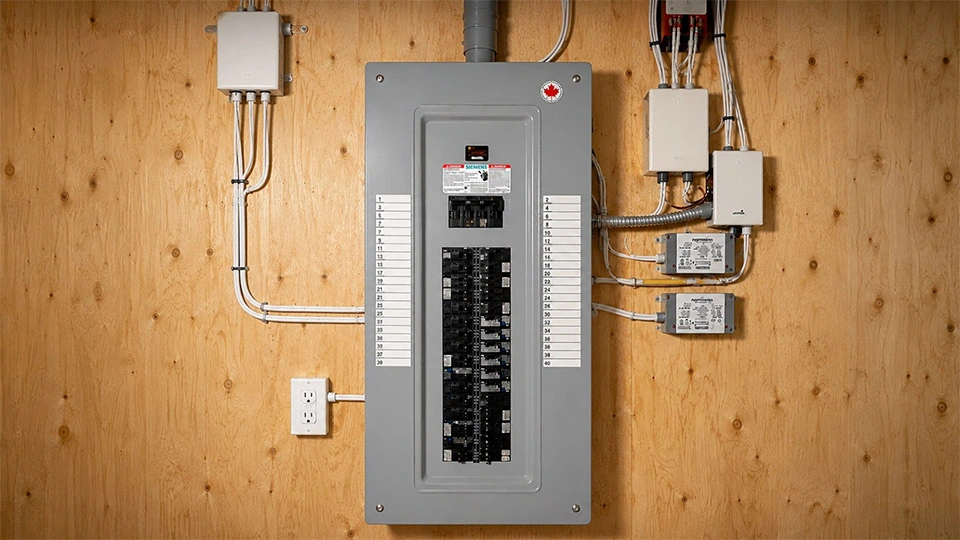
Modern homes quickly take on new electrical demands. An EV charger, an induction range, a heat pump water heater, or a backyard workshop can push a service that felt fine last year to its limit. When breakers are full, spaces are cluttered with tandem breakers, or nuisance trips start, many homeowners face a focused choice: replace the main panel or add a subpanel. The right answer depends on service capacity, panel condition, grounding and bonding, and the type of loads you plan to add. This article explains how each option works, where each fits, and what practical clues inside your equipment can reveal before you schedule an evaluation with a licensed electrician.
-
What Each Choice Involves: Main Panel Upgrade vs. Subpanel Addition
A full panel upgrade typically means replacing the existing load center with a new enclosure, bus bars, and main breaker, often at a higher service rating like 200 amps. It can involve new service entrance conductors, an updated meter base, a modern main disconnect, and a revised grounding electrode system with properly sized grounding electrode conductors and bonding jumpers. A subpanel addition, by contrast, keeps your existing service and uses a feeder breaker in the main panel to supply a second panelboard via a four-wire feeder consisting of two hots, one neutral, and one equipment grounding conductor, with neutrals isolated from grounds in the subpanel.
When researching this decision, many homeowners consult their utility’s requirements, local permitting offices, and contractor resources such as https://upfrontelectrical.com/ for plain language explanations of common upgrade paths and terminology. That background helps you understand the difference between a main lug-only subpanel fed by a 60- or 100-amp feeder breaker and a full service upgrade, where the utility and inspector coordinate around a new service rating and main disconnect.
-
Signs Your Main Panel Is the Bottleneck
Several clues suggest your existing service is tapped out. If the panel’s labeling shows a 60- or 100-amp main breaker and you are adding continuous loads like an EVSE rated 40 to 50 amps or an electric range with a 50-amp branch circuit, a standard load calculation may already point to an upgrade. A bus fully populated with multiple tandem cheater breakers, double-lugged neutrals under a single terminal, or heat discoloration near the main lugs are further red flags that capacity or condition is the constraint rather than just a lack of breaker spaces.
More subtle signs exist, too. If lights dim when a compressor or heat pump starts, voltage drop on long runs or marginal service conductors could be in play. Frequent tripping of general-purpose circuits after adding high-demand appliances indicates diversity assumptions are no longer holding. If the deadfront label lists limited spaces for AFCI or GFCI breakers and you need those protections for new bedroom or bathroom circuits, the existing panel may not accept the required breaker types, pushing the decision toward replacement.
-
When a Subpanel Makes Sense: Use Cases and Limitations
A subpanel is often the right move when the main service has amperage headroom but not enough breaker spaces. For example, a home with a 200 amp main and two open spaces might add a 60 amp feeder breaker, run a four-conductor feeder using appropriately sized copper or aluminum conductors, and install a subpanel in a finished basement to serve a media room and kitchenette. Keeping neutrals isolated on the floating bar and landing equipment grounds on a bonded bar in the subpanel maintains proper fault-clearing paths without creating parallel neutral-ground connections.
Another practical scenario is a detached garage workshop. Placing a subpanel in the garage, fed from the house, reduces voltage drop for tools like a 240-volt table saw or air compressor and shortens branch-circuit runs for lighting and receptacles. The limitations are important: the main panel must have a spare slot for a two-pole feeder breaker, the calculated load must leave margin under the service rating, and the subpanel location must meet working clearances and mounting rules. If the existing panel is corroded, obsolete, or at its service limit, a subpanel just moves the bottleneck and doesn’t fix it.
-
When a Full Panel Upgrade Is the Safer Bet
Replacing the main panel is usually the better path when condition and capacity are both concerns. If the enclosure shows rust from moisture, bus bars are pitted, or the deadfront cannot accept required AFCI or dual-function breakers, upgrading improves safety and compatibility in one step. Service-limited homes planning multiple large additions, including an EV charger, a 50 amp induction range, and a heat pump water heater, often exceed what a 100 amp service can reliably handle once diversity and continuous loads are accounted for. A modern 200 amp panel provides more spaces for dedicated circuits and headroom for future projects like a hot tub or home office HVAC.
There are trade-offs. A service upgrade requires utility coordination to deenergize and reenergize, proper meter base work, and inspection. Your grounding electrode system may need updating with new clamps and a correctly sized grounding electrode conductor to water pipe or ground rods. You may also need to relocate the panel to meet clearance requirements or to get it out of a closet. The short-term disruption is higher than with a subpanel. Still, long-term compatibility with AFCI and GFCI breakers, whole-home surge protection, and transfer equipment for a generator is typically better.
Practical Steps to Prepare Before an Evaluation
Good preparation helps an electrician give precise recommendations. Make a list of existing major loads with their nameplate amps or kilowatts: electric range, dryer, water heater, air handler and condenser, well pump, and any workshop tools. Add planned loads with realistic ratings, such as a 40- or 50-amp EVSE, a 30- to 60-amp heat pump, or a sauna heater. Note whether circuits like kitchen small appliance receptacles, bathrooms, and laundry already have dedicated 20-amp, GFCI-protected circuits as required by current code.
Take clear photos of the panel with the deadfront on and off, if you are comfortable and it is safe to do so, including the labeling that shows the panel rating, model, and breaker compatibility. Count open breaker spaces, note any tandem breakers, and look for an existing whole-home surge protector or space for one. Confirm there is proper working clearance in front of the panel and that the panel is not in a bathroom or clothes closet. Think ahead about locations: a subpanel near a basement finish or garage can shorten future branch circuit runs and reduce voltage drop on long feeders.
Ultimately, the choice between replacing a main panel and adding a subpanel turns on three factors: available service capacity, the physical and electrical condition of the existing equipment, and your next five to ten years of planned loads. If you have a solid 200 amp service and only need more spaces for a basement finish, a properly installed subpanel with an isolated neutral and bonded ground can be efficient and code compliant. If you are stacking multiple high-demand additions onto an aging 100-amp service, a full panel and service upgrade sets a safer foundation for AFCI and GFCI protection, whole-home surge devices, and future circuits without juggling capacity every time you add an appliance.
Whichever path fits, insist on a permit and inspection, a documented load calculation, and proper grounding and bonding. Ask about conductor sizes on any proposed feeder, breaker compatibility for required protections, and clearance or relocation needs for the equipment. Those details, including neutral isolation in subpanels, correctly sized feeders, and properly rated main breakers, shape reliability long after the new circuits are energized. Thoughtful planning and a code-focused installation help ensure that the next time you add a charger, a workshop circuit, or an HVAC upgrade, your electrical system is ready to serve it safely.
