


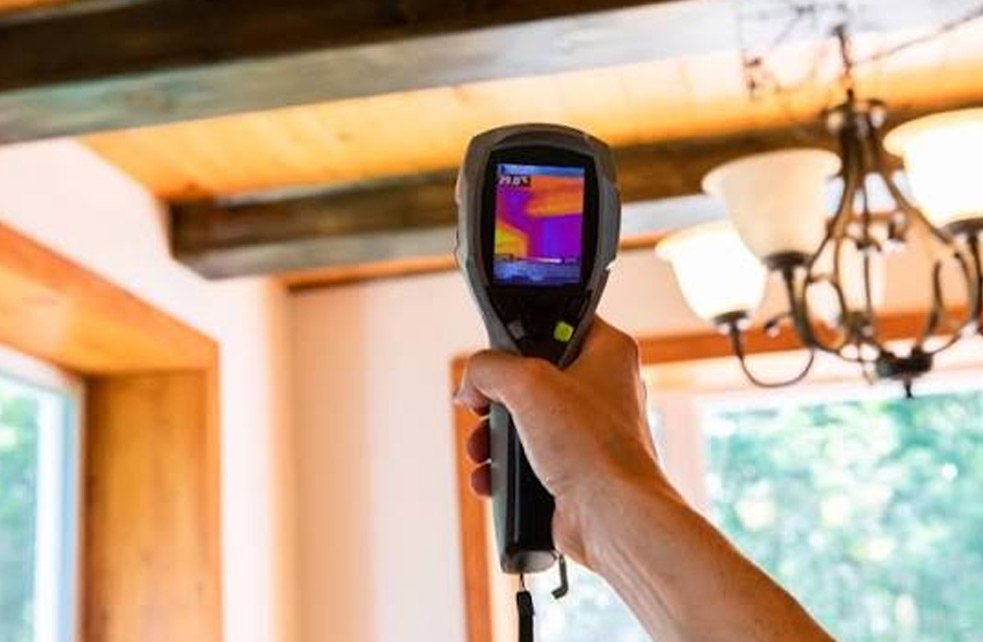
The quality of the air inside a property can have an important influence on overall comfort and the way an indoor environment feels throughout the day. Homes, offices, commercial buildings, and other indoor spaces can contain a combination of outdoor pollutants, dust, airborne particles, moisture, odors, and other environmental factors that may affect indoor conditions. Because people often spend significant amounts of time inside, understanding what may be present in the indoor environment can be an important part of maintaining a clean and comfortable space. Indoor air conditions are influenced by many different factors, including ventilation, HVAC performance, filtration, building materials, humidity, occupancy, outdoor air conditions, and everyday activities. A complete approach begins with evaluating the specific environment rather than assuming that every indoor air concern has the same cause or requires the same solution.
Many property owners may notice changes in their indoor environment without knowing exactly what is causing them. Persistent odors, excessive dust, uneven airflow, moisture concerns, or a general feeling that the indoor environment is uncomfortable may lead homeowners and business owners to seek professional guidance. In some situations, the cause may be connected to ventilation or HVAC system performance, while other concerns may relate to building conditions or sources located within the property. Professional evaluation can help identify relevant factors and provide useful information about the condition of the indoor environment. Instead of relying only on assumptions, property owners can use a structured assessment to better understand their specific situation and make informed decisions about appropriate improvements.
Why Indoor Air Quality Matters
Indoor air quality is influenced by a wide range of environmental conditions. Dust, airborne particles, outdoor contaminants, cleaning products, building materials, cooking activities, pets, moisture, and ventilation can all play a role in the overall condition of the air inside a building. The amount of time people spend indoors makes these conditions an important consideration for property owners who want to maintain a more comfortable environment.The design and operation of the HVAC system can also influence indoor air conditions. Heating and cooling equipment helps move air throughout the property, while filters and ventilation components may help manage certain airborne particles and support air exchange. If airflow is restricted or filters are neglected, the system may not perform as effectively as intended. However, HVAC equipment is only one part of the complete indoor environment. Building conditions and activities inside the property should also be considered when evaluating air quality concerns.
A professional assessment can help property owners better understand the relationship between these factors. Instead of focusing immediately on one product or solution, a careful evaluation can help identify the conditions that may require attention. This approach can support more practical decision-making and reduce the likelihood of addressing only a symptom while the underlying concern remains.
The Value of indoor air quality testing
Professional indoor air quality testing can provide valuable information about conditions within a home or commercial property. The evaluation process may involve examining specific environmental factors, identifying potential sources of indoor air concerns, and reviewing conditions that may influence the movement or quality of air. The exact type of assessment can vary depending on the concerns reported by the property owner and the characteristics of the building.A professional may consider factors such as ventilation, airflow, filtration, humidity, odors, airborne particles, and other conditions relevant to the property. The purpose is to develop a clearer understanding of the indoor environment and determine whether further improvements or professional services may be appropriate. The results can help property owners make decisions based on actual findings rather than assumptions.Testing may also be useful when noticeable changes occur in the indoor environment. Persistent odors, excessive dust accumulation, unusual moisture conditions, or changes in airflow may all provide reasons to discuss the situation with a qualified professional. A structured evaluation can help identify relevant factors and provide recommendations that are appropriate for the specific property.
Common Factors That Can Affect Indoor Air
The air inside a building is influenced by both indoor and outdoor conditions. Outdoor particles and pollutants may enter through doors, windows, ventilation systems, and other openings. Indoor activities can also contribute to the environment, including cooking, cleaning, renovations, and the use of certain products. Pets and everyday movement within the property can add dust and particles to the indoor air.Moisture is another important consideration because excessive humidity or unwanted water conditions can influence the indoor environment and may contribute to additional concerns. Proper ventilation and humidity management can help maintain more balanced indoor conditions, depending on the needs of the property.Airflow also plays an important role. If air is not moving effectively through the building, certain areas may experience different conditions than others. The HVAC system, ductwork, vents, and other pathways can all influence air circulation. A professional evaluation can help determine whether airflow is contributing to the concerns experienced by occupants.
The Connection Between HVAC Systems and Indoor Air Conditions
Heating and cooling equipment plays an important role in the movement of air throughout many properties. The HVAC system may circulate air through filters, ductwork, and other components before delivering it to different areas of the building. Because of this connection, the condition of the equipment can influence overall indoor comfort.Filters should be maintained according to appropriate recommendations because excessive buildup may restrict airflow. However, filter replacement alone may not resolve every indoor air concern. Ventilation, equipment performance, humidity conditions, and other building factors may also need to be considered.Professional HVAC evaluation can help determine whether the heating and cooling system is contributing to the indoor air concerns. Technicians may examine airflow, filtration, equipment condition, and other relevant factors. If improvements are recommended, they should be based on the specific needs of the property rather than a general assumption that one solution will work for every building.
Understanding Ventilation and Air Exchange
Ventilation is an important part of maintaining indoor environmental conditions. Proper air exchange can help manage the relationship between indoor and outdoor air, although the appropriate ventilation approach depends on the building and its specific use.Commercial properties may have different ventilation requirements than residential buildings because occupancy levels and indoor activities can vary significantly. Offices, retail spaces, restaurants, and other commercial environments may each require a different approach to ventilation and air management.A professional evaluation can help identify whether ventilation conditions should be reviewed as part of a larger indoor air assessment. Rather than considering ventilation independently, it can be helpful to examine how airflow, HVAC operation, filtration, and building conditions work together.
The Importance of Filtration
Air filtration is one component that can influence indoor air conditions. HVAC filters are designed to capture certain particles as air moves through the system. The type of filter used and the condition of the filter can affect both airflow and the ability to manage airborne particles.A filter that has not been maintained appropriately may become loaded with dust and other particles. This can affect the movement of air and may influence HVAC system performance. Property owners should follow professional or manufacturer recommendations when selecting and replacing filters.Professional indoor air quality testing can help determine whether filtration is one of the factors that should be considered when evaluating indoor conditions. Depending on the findings, a professional may recommend reviewing filter practices, airflow, ventilation, or other relevant elements.
Humidity and Indoor Environmental Conditions
Humidity can have a noticeable effect on how comfortable an indoor environment feels. Conditions that are too humid or too dry may influence occupant comfort and can interact with other building factors. The appropriate approach to humidity management depends on the property, its HVAC equipment, and the specific conditions present.Excessive moisture should not be ignored because it may indicate a problem that requires further investigation. Potential sources can include building conditions, plumbing concerns, HVAC-related issues, or other sources of unwanted moisture. Identifying the source is important before selecting a solution.A complete evaluation can help property owners understand whether humidity is contributing to their indoor concerns. Managing moisture may involve different approaches depending on the building and the source of the problem.
Signs That an Indoor Air Evaluation May Be Helpful
Property owners may consider professional evaluation when they notice persistent changes in their indoor environment. Excessive dust, unusual odors, inconsistent airflow, visible moisture concerns, or rooms that consistently feel uncomfortable may all provide reasons to investigate further.Changes in the HVAC system can also be relevant. Reduced airflow, frequent equipment operation, or changes in system performance may influence indoor comfort and should be discussed with a qualified technician.An evaluation does not always mean that a major problem exists. In some situations, simple maintenance or adjustments may be appropriate. However, a professional assessment can provide useful information and help property owners understand which factors deserve attention.
Indoor Air Considerations for Commercial Properties
Commercial buildings can present unique indoor air challenges because they often accommodate larger numbers of occupants and may operate for extended periods. Different areas of the building can have different ventilation and airflow requirements, depending on their purpose and occupancy.Office areas, meeting rooms, retail spaces, storage areas, and other sections of a commercial property may experience different indoor conditions. A complete evaluation can help determine whether HVAC operation, ventilation, filtration, or another factor is influencing comfort.Building managers can benefit from maintaining regular HVAC service and monitoring noticeable changes in indoor conditions. Keeping records of equipment service and occupant concerns can provide useful information when evaluating the building environment.
Creating a Better Indoor Environment
Improving indoor conditions often requires more than one simple change. The most effective approach begins with understanding the property and identifying the factors that may be contributing to the concern. Depending on the situation, improvements may involve HVAC maintenance, filtration changes, ventilation adjustments, humidity management, or other building-related solutions.Professional indoor air quality testing can provide information that helps guide these decisions. Recommendations should be based on the specific findings and conditions of the property rather than relying on assumptions or generalized solutions.Property owners can also support a more comfortable indoor environment by maintaining their HVAC equipment, replacing filters as appropriate, monitoring moisture concerns, and paying attention to noticeable changes in airflow or odors. These practical steps can support ongoing awareness of indoor conditions.
Choosing a Qualified Professional
Choosing a qualified professional is an important part of evaluating indoor air concerns. The provider should take the time to understand the property and the concerns being reported. Clear communication can help ensure that the evaluation focuses on relevant factors.A qualified professional can explain the findings and discuss appropriate next steps. Property owners should have an opportunity to understand what was discovered and why certain recommendations may be relevant.Working with a reliable service provider over time can also be valuable because the professional may become familiar with the property’s HVAC equipment and previous service history.
Developing a Long-Term Indoor Air Strategy
Indoor environmental conditions can change over time as a building ages, occupancy changes, renovations occur, or HVAC equipment experiences normal wear. For this reason, indoor air management should be considered an ongoing responsibility rather than a one-time project.A long-term strategy may include regular HVAC service, appropriate filter replacement, attention to ventilation, monitoring of moisture conditions, and professional evaluation when noticeable concerns develop. Keeping records of maintenance and building changes can also provide useful information.A proactive approach allows property owners to respond to concerns based on information rather than waiting until conditions become more noticeable. Regular attention can help maintain better awareness of the factors that influence the indoor environment.
Conclusion
The air inside a home or commercial property is influenced by many connected factors, including ventilation, filtration, HVAC operation, humidity, building conditions, and everyday activities. Understanding these factors can help property owners take a more informed approach to maintaining a comfortable indoor environment.
Professional indoor air quality testing provides an opportunity to examine relevant conditions and identify factors that may require attention. Rather than assuming that every indoor air concern has the same cause, a structured approach can help guide practical and property-specific solutions.By maintaining heating and cooling equipment, monitoring noticeable changes, managing filters and airflow appropriately, and seeking professional guidance when concerns arise, property owners can develop a stronger long-term strategy for their indoor environment. Consistent attention and informed decision-making can help support improved comfort and better awareness of the conditions that affect the air throughout a property.
