


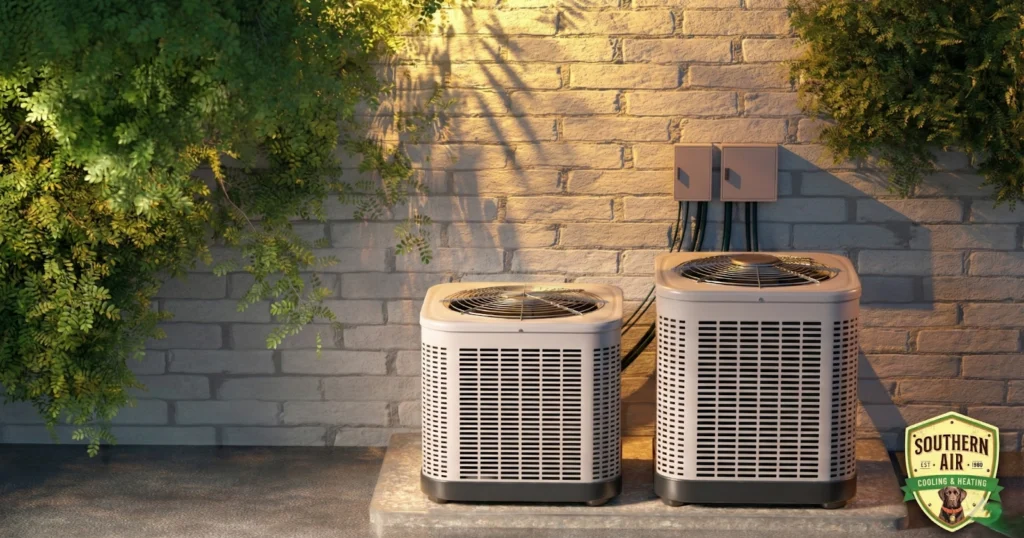
Few issues are as frustrating as an HVAC system that starts, stops, and starts again in quick bursts. That behavior, known as short cycling, wastes energy, adds wear to compressors and igniters, and leaves rooms unevenly heated or cooled. It can happen with gas furnaces, central air conditioners, and heat pumps, and the underlying causes often trace back to airflow, controls, or safety devices working as intended to prevent damage. Before you assume a major failure, it helps to recognize what short cycling looks like, why it happens, which checks are safe to try, and when to stop troubleshooting and call a technician.
-
What Short Cycling Looks Like in Furnaces, Air Conditioners, and Heat Pumps
Short cycling shows up as frequent starts and stops, often every few minutes, without the system reaching a steady run. In a furnace, you may hear the inducer and burner ignite, the blower motor ramp up, and then the flame cut out as a high-limit switch trips from overheating. With air conditioning, the outdoor condenser may click on and off while the indoor evaporator coil cannot shed heat, leading to rapid cycling on the high-pressure switch. Heat pumps can add a twist: the system may enter defrost or bounce between stages if the thermostat’s cycles-per-hour setting is aggressive. To see what pros inspect during seasonal tune-ups, see the overview of home HVAC services from Sarkinen.
-
Frequent Causes: Thermostats, Airflow, Refrigerant, and Safety Trips
Thermostat location and settings often trigger issues. A stat mounted near a supply register, in direct sun, or above electronics can sense rapid temperature swings and call for short bursts of heating or cooling. A high cycles-per-hour setting on some smart thermostats can also prompt frequent starts. Airflow problems are just as common: a clogged return filter, an overly restrictive high-MERV filter, blocked return grilles, or closed supply registers raise static pressure. When airflow is choked, furnaces overheat and trip limit switches, while AC and heat pump coils can freeze, causing the system to shut down and restart as pressures fluctuate.
Refrigerant and outdoor-side issues drive many warm-season short cycles. Low charge from a leak reduces evaporator pressure and encourages icing; a dirty condenser coil, matted with cottonwood fluff or yard debris, spikes head pressure and forces quick shutdowns. Weak capacitors and failing condenser fan motors prevent the compressor from running smoothly, so thermal overloads cycle on and off. On furnaces, a sooted flame sensor, obstructed flue, or a stuck pressure switch can interrupt ignition sequences after only seconds of operation. Safety devices are doing their job, but you need to fix the root cause to protect the heat exchanger, compressor, and electrical components.
-
Safe Checks You Can Do Before Calling a Technician
Start with airflow. Inspect the return filter for dirt and confirm the arrow faces the blower. If you recently upgraded to a very high MERV filter and cycling began afterward, try a less restrictive filter temporarily to see if static pressure drops and run time stabilizes. Open all supply registers, a nd make sure large furniture isn’t blocking return grilles. Outside, shut off power at the service switch and gently rinse the condenser coil from the inside out with a garden hose, avoiding high-pressure nozzles that bend fins. Indoors, replace the thermostat batteries, verify the system is set to Auto rather than Fan only, and double-check schedules that may be commanding frequent setpoint changes.
Look for water and ice clues. A full condensate pan can lift a float switch that interrupts cooling; clear the drain line with a wet and dry vacuum or a small amount of distilled vinegar to break up algae. If you see frost on the suction line or evaporator coil, turn cooling off and run the blower in Fan mode to thaw the ice before further testing. Do not keep resetting a tripped breaker; repeated trips point to electrical or motor problems. If your furnace has a sight window, note any diagnostic LED blink codes without removing panels. These safe observations can speed a professional diagnosis and help avoid damage.
-
When to Stop Troubleshooting and Call a Pro
Stop DIY checks and schedule service if you notice a burning smell, repeated breaker trips, oil stains around refrigerant fittings, a yellow or wavering furnace flame, exhaust or venting concerns, or a carbon monoxide alarm. Thick ice on the outdoor unit, loud hissing, or chattering from the contactor also warrant professional attention. Technicians use refrigerant gauges, a manometer for flue and draft verification, microfarad meters for capacitors, and static pressure testing to pinpoint whether the issue is a misadjusted gas valve, a weak blower, a dirty evaporator coil, a stuck relay, or a control board logic fault. Correct rapid cycling caused by safety trips quickly to protect the compressor and heat exchanger.
Preventing Repeat Episodes: Settings and Maintenance That Help
Match filtration to your system’s airflow capability. High MERV filters capture smaller particles but increase resistance; if your ductwork is tight and returns are limited, a MERV 8 to 11 media may balance indoor air quality with healthy static pressure. Keep at least two feet of clearance around the condenser, rinse coils each spring, and schedule periodic cleanings of the indoor evaporator and blower wheel. Seal obvious duct leaks and ensure each room has a clear return path to reduce pressure spikes. Many thermostats let you adjust cycles per hour or minimum compressor run time; gentler settings can reduce needless starts, especially for heat pumps.
Consider long-term design choices that discourage short cycling. Resist closing supply registers to “save” conditioning in unused rooms, since that raises static pressure and can push a furnace into high limit trips. Avoid oversizing when replacing equipment; too much capacity cools fast but leaves humidity high and encourages short runs. Two-stage or variable speed equipment, paired with properly sized ducts and a well-placed thermostat, favors longer, steadier cycles for better comfort. If a technician recommends a hard start kit or blower speed adjustment, it should address measured issues, not serve as a bandage. With the right settings, clean coils and filters, and unobstructed airflow, your HVAC system can return to smooth, efficient cycles instead of constant stops and starts.
