


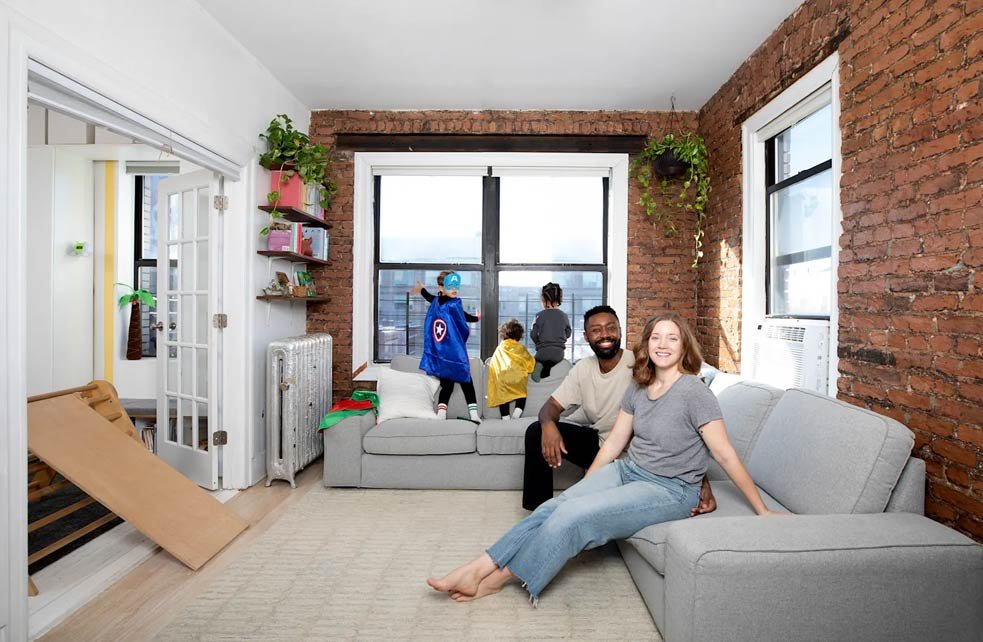
Finding a new apartment is an important decision that involves more than selecting a property with an attractive appearance. A comfortable home should support everyday routines, provide enough space, offer practical features, and fit within a realistic budget. Whether someone is moving for work, changing their lifestyle, beginning a new chapter, or simply looking for a more suitable home, the apartment search can become much easier when important priorities are identified early in the process.Today, renters have many factors to consider when comparing different homes. Floor plans, monthly costs, bedroom sizes, storage options, building features, parking, maintenance, community amenities, and lease requirements can all influence the final decision. While photographs and online listings are useful starting points, they do not always provide a complete picture of how comfortable or practical a property will be for everyday living.Searching for available apartments for rent requires a thoughtful approach. The right apartment should meet essential needs while also providing enough flexibility for future changes. Instead of focusing only on one feature, prospective residents can benefit from evaluating the complete residential experience. Considering location preferences, home design, budget, community features, and daily routines can help renters narrow their options and make a more confident decision.
Understanding Your Apartment Needs
Before beginning an apartment search, it is helpful to identify the features that matter most. Every renter has different priorities, and understanding those priorities can make the search more organized. Some people may need additional bedrooms, while others may prefer an open living area or a dedicated workspace. Parking may be essential for one resident, while another may place greater importance on shared amenities.Creating a list of essential requirements can help separate necessary features from optional preferences. Essential needs may include the number of bedrooms, sufficient storage, an appropriate budget, parking access, or space for remote work. Preferred features may include upgraded appliances, outdoor areas, fitness facilities, smart technology, or additional community amenities.Thinking about daily routines is also useful. Consider how the apartment will be used from morning until evening. A person who works from home may need a quiet room with enough space for a desk and equipment. Someone who enjoys cooking may prioritize kitchen storage and counter space. A household with multiple residents may need additional privacy and practical shared areas.The more clearly renters understand their needs, the easier it becomes to compare different properties. A structured approach can prevent unnecessary distractions and help prospective residents focus on apartments that genuinely support their lifestyle.
Choosing the Right Apartment Layout
The floor plan has a major effect on how an apartment feels and functions. Two apartments with similar square footage may provide completely different living experiences because of the way their rooms are arranged. A well-designed layout can make a home feel open, organized, and comfortable.Residents should consider the relationship between bedrooms, bathrooms, kitchens, living areas, and entrances. Clear pathways can make it easier to move throughout the apartment, while awkward layouts may create unused or difficult spaces.Bedroom placement can also influence privacy. Families may prefer bedrooms located near one another, while roommates might appreciate greater separation between private spaces. People who frequently work from home may want a room that can be used as an office without being directly connected to a busy living area.Furniture should also be considered when evaluating a floor plan. Prospective residents should imagine where important items will be placed. A room may appear spacious when empty but feel significantly different after adding a bed, sofa, desk, dining table, and storage furniture.A practical layout should support everyday movement while giving each room a clear purpose. Flexible spaces can provide additional value because they allow residents to adapt the apartment as their needs change.
The Importance of Bedroom and Living Space
Bedrooms are important private spaces, and their size and design can influence the overall comfort of an apartment. A bedroom should provide enough space for essential furniture while still allowing residents to move comfortably.Closet space is also important. Insufficient storage can cause personal belongings to spread into other parts of the home, making even a spacious apartment feel cluttered. Residents should consider whether bedroom closets can accommodate clothing, seasonal items, and other belongings.The living room is equally important because it often serves as the primary shared space. It may be used for relaxing, watching television, reading, entertaining guests, or spending time with family. A comfortable living area should provide enough room for seating without blocking important pathways.Natural light can make both bedrooms and living spaces feel more welcoming. Well-positioned windows can improve the atmosphere of an apartment and reduce the need for artificial lighting during the day. Ventilation and overall room comfort should also be considered during a property visit.
Evaluating Kitchen Features
The kitchen plays an important role in everyday apartment living. Even residents who do not cook frequently still need practical space for storing food, preparing meals, and keeping household items organized.Counter space, cabinet capacity, appliance placement, and lighting should all be evaluated. A functional kitchen allows residents to prepare meals without unnecessary difficulty or congestion. Storage should be sufficient for dishes, cookware, food supplies, and commonly used appliances.The connection between the kitchen and other living spaces can also influence how the apartment is used. An open kitchen may create a more connected environment, while a separate kitchen can provide additional separation between food preparation and relaxation areas.Residents should think about their own habits when comparing kitchen layouts. Someone who enjoys preparing meals may need more workspace and storage than someone who typically prefers simple meals. Choosing a kitchen that supports regular routines can improve overall satisfaction with the apartment.
Storage and Organization
Storage can have a major effect on how comfortable an apartment feels over time. Even a well-designed home can become difficult to manage if there is not enough space for clothing, household supplies, cleaning equipment, and personal belongings.Prospective residents should inspect closets, cabinets, shelves, and other built-in storage areas. It is helpful to consider not only current belongings but also items that may need to be stored seasonally.Furniture can provide additional organization when built-in storage is limited. Storage beds, shelving units, cabinets, and multifunctional furniture can help residents use available space more efficiently.However, organization is not simply about adding more furniture. Too many large pieces can make an apartment feel crowded. The goal should be to maintain a balance between storage and open space.A well-organized apartment can feel more spacious and relaxing. Keeping everyday items accessible while storing less frequently used belongings in appropriate areas can improve both convenience and visual comfort.
Community Amenities and Everyday Convenience
Amenities can provide additional value when they support the way residents actually live. Fitness centers, swimming pools, coworking areas, lounges, package facilities, outdoor spaces, and other shared features may make everyday life more convenient.A fitness center can be valuable for residents who exercise regularly, while a coworking area may benefit people who work remotely. Secure package facilities can simplify online shopping, and outdoor areas can provide a comfortable place to relax without leaving the property.Residents should consider whether amenities are well-maintained and accessible. A long list of features may appear attractive, but quality and usability are often more important than quantity.Community spaces can also provide opportunities for social interaction. Lounges, gathering areas, and outdoor spaces may help residents spend time with friends or meet other members of the community.The best amenities are those that become a natural part of everyday routines rather than simply features that look appealing during a property tour.
Considering Parking and Transportation
Transportation needs can play an important role in choosing an apartment. Residents who own vehicles may need convenient parking, while others may prioritize pedestrian access or transportation options that support their regular routine.Parking arrangements should be evaluated carefully. Residents may want to know whether spaces are assigned, covered, controlled, or available to visitors. The distance between parking and the apartment can also affect convenience.Some modern communities provide features such as bicycle storage or electric vehicle charging. These options may be particularly valuable for residents who use alternative transportation or own an electric vehicle.The right transportation features depend on the individual. Prospective residents should focus on what will make their regular routine easier rather than selecting a property based only on features they are unlikely to use.
Understanding Costs and Budgeting
Monthly rent is an important consideration, but it may not represent the complete cost of living in an apartment. Utilities, parking, internet, deposits, pet-related fees, insurance, and other expenses may affect the overall budget.Before making a decision, prospective residents should understand the complete financial picture. Comparing total expected expenses can provide a more realistic view than simply comparing advertised monthly rent.Lease terms should also be reviewed carefully. Residents should understand the length of the agreement, renewal options, maintenance procedures, applicable fees, and other important conditions.A comfortable apartment should fit within a sustainable budget. Choosing a home that leaves enough financial flexibility for other necessities can help create a more positive long-term living experience.
Maintenance and Property Management
Maintenance quality can have a major effect on everyday comfort. Even a beautifully designed apartment may become frustrating if maintenance concerns are difficult to report or take too long to resolve.Prospective residents may want to learn about the property’s maintenance procedures before moving in. Understanding how requests are submitted and how management communicates with residents can provide useful insight into the overall experience.Common areas should also be considered. Hallways, entrances, outdoor spaces, parking areas, and shared amenities all contribute to the atmosphere of a residential community.A well-managed property generally provides clear communication and consistent attention to important facilities. Residents benefit when management responds to concerns and maintains the property in an organized manner.
Visiting Apartments Before Making a Decision
Online listings are helpful, but an in-person visit can provide information that photographs may not reveal. Walking through an apartment allows prospective residents to evaluate room sizes, natural light, noise levels, storage, and overall comfort.During a visit, it is useful to imagine completing everyday activities in the home. Consider where groceries will be placed, where furniture will fit, how meals will be prepared, and whether the apartment provides enough room for normal routines.Pay attention to details such as doors, windows, closets, appliances, lighting, and fixtures. Residents should also look at shared spaces and consider whether they are maintained properly.Taking notes while visiting several properties can make comparison easier. Small details may be forgotten after multiple tours, so a clear record can help prospective residents review each option objectively.
Choosing an Apartment for Changing Needs
The right apartment should not only meet current requirements but also provide reasonable flexibility for future changes. Work arrangements, household size, hobbies, and daily routines can change over time.An additional bedroom may eventually become a home office, guest room, study space, or hobby area. Flexible living areas can be rearranged as furniture needs change.Thinking ahead can help renters avoid selecting a home that will quickly become unsuitable. While it is impossible to predict every future change, a practical and adaptable layout can provide greater long-term value.This flexibility is one reason many renters carefully evaluate the full floor plan instead of focusing only on the current appearance of a property.
Comparing Different Apartment Options
When looking at multiple properties, creating a comparison system can help make the decision easier. Prospective residents can evaluate each apartment according to important categories such as layout, bedroom size, storage, kitchen design, amenities, parking, maintenance, and overall cost.Instead of selecting the property with the longest list of features, renters should consider which option best supports their actual lifestyle. A home with fewer unnecessary amenities may provide greater value if its layout and practical features are better suited to daily needs.Searching through available apartments for rent can become more efficient when residents know exactly what they are looking for. Establishing priorities before beginning the search can reduce unnecessary time spent comparing properties that do not meet essential requirements.It is also important to consider the overall feeling of the home. A practical apartment should be comfortable, functional, and easy to organize. The right choice often becomes clearer when residents balance objective factors, such as cost and room size, with the personal feeling of whether the space supports their lifestyle.
Creating a Comfortable Home
Once the right apartment has been selected, thoughtful organization and furnishing can help transform the space into a comfortable home. Furniture should fit the dimensions of each room and allow enough space for easy movement.Lighting, rugs, artwork, shelving, and other personal details can make the apartment feel welcoming. However, residents should avoid overcrowding rooms with unnecessary furniture or decorations.A gradual approach to furnishing can be helpful. After living in the apartment for some time, residents may have a better understanding of how each room is used and what additional furniture or storage is genuinely needed.Personalizing the home should support comfort and functionality. The most successful living spaces reflect the needs and preferences of the people who use them every day.
Conclusion
Finding the right apartment requires careful consideration of many important factors. Floor plans, bedroom sizes, storage, kitchen functionality, natural light, amenities, transportation, maintenance, and total costs can all influence the quality of everyday living.The search for available apartments for rent should focus on more than attractive photographs or individual features. The ideal home should provide a practical combination of comfort, functionality, convenience, and flexibility identifying essential requirements, comparing different options carefully, visiting properties when possible, and considering how each home will support daily routines, prospective residents can make a more confident decision. A thoughtfully chosen apartment can provide a comfortable environment where residents can relax, work, entertain, stay organized, and enjoy a lifestyle that meets both current and future needs.
