


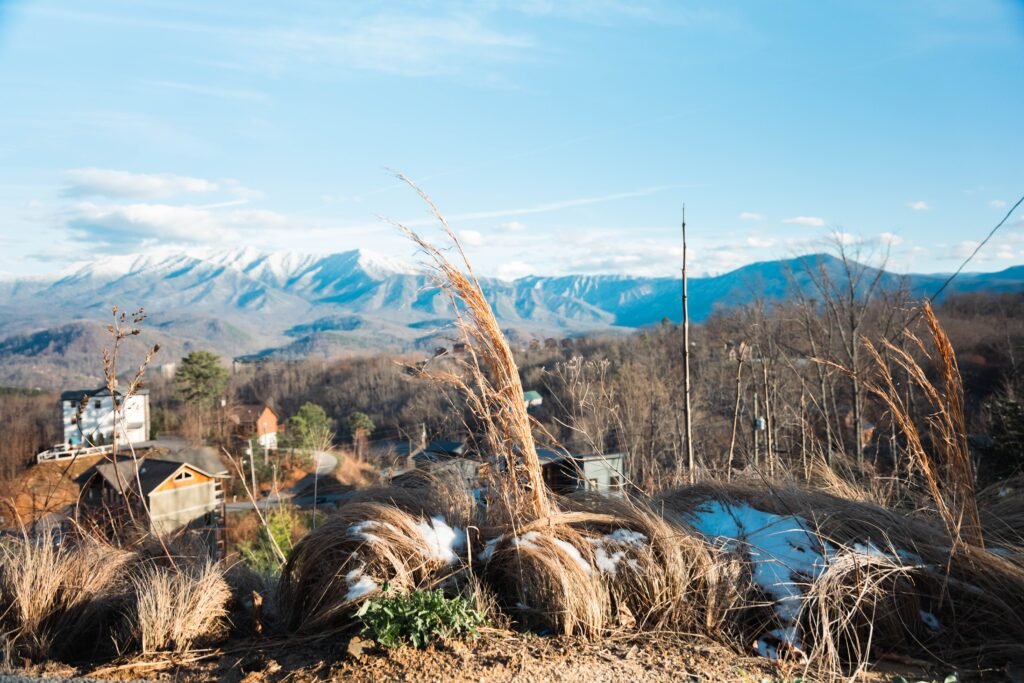
Traveling with teenagers changes the shape of a vacation. The pace has to be quicker, the days need variety, and the whole plan works better when it leaves room for opinions. Families heading into East Tennessee for a mountain trip usually arrive with a long list of ideas and very little sense of how those ideas fit together across three or four days.
A little structure early on makes the difference between a trip teenagers tolerate and one they talk about months later.
Choosing Activities That Match a Teenager’s Energy
Quiet scenery carries a family only so far before the group starts drifting, and SkyLand Ranch tends to come up once parents realize they need something with more momentum. Teenagers want speed, and an alpine coaster is the kind of booking that disappears when a family waits until the day they want to ride.
The Wild Stallion Mountain Coaster runs downhill at a pace the rider controls, and reserving it early costs nothing. Parents can secure tickets for this amazing East Tennessee alpine coaster and confirm the height and age requirements before the trip begins.
Letting Teens Help Shape the Itinerary
Ownership matters more at this age than most parents expect. A teenager who picked two things on the schedule is a teenager who shows up ready, and a teenager handed a finished plan is usually somewhere else mentally. Give each one a slot to fill, then build the rest of the day around what they choose. The choices tend to be reasonable, and even when they are not, the goodwill earned is worth the detour. It also cuts down on the constant negotiation that eats up morning after morning on family trips.
Sharing the planning has a practical side too. Teenagers research differently than adults do, pulling from short videos and friends’ recommendations rather than travel guides, and they often surface options the rest of the family would never have found. Let them present what they find. The conversation itself becomes part of the trip.
Building Days Around Movement and Rest
Mountain days run long. Elevation, walking, and sun add up faster than anyone accounts for, and a family that schedules four activities back to back usually finishes the second one running on fumes. Two anchors a day, one in the morning and one later, leaves space for the unstructured hours that teenagers actually value. Those gaps are where the good parts of a trip tend to happen anyway.
Rest does not have to mean sitting in a rental with the curtains drawn. A slow lunch, a long walk with no destination, or an hour of nothing in particular all count. The point is to break the rhythm before anyone hits the wall, not after.
Packing Choices That Prevent Small Frustrations
Weather in the mountains shifts through the day, and layers solve most of what the forecast cannot predict. A light jacket, a second pair of socks, and shoes that handle uneven ground cover nearly every situation a family runs into. Teenagers will resist the extra layer until the temperature drops in the late afternoon, at which point the argument settles itself.
Charging matters more than people plan for. Phones do double duty as cameras, maps, and tickets, and a battery pack in someone’s bag keeps the whole group from rationing screen time by mid-afternoon. Water bottles are the other item worth the space. Refilling costs nothing and keeps everyone steadier through a full day outdoors.
Timing Your Outings for Smooth Travel Days
Setting out early keeps the roads open and the parking simple, and it gives the group first pick of the morning. Popular spots reward the families who arrive before the middle of the day, and the same places feel entirely different in the evening light. Building the schedule around those two windows makes the driving portion of each day almost invisible.
Weekdays offer a different pace than weekends, and shifting one busy plan to a Tuesday can reshape an entire itinerary. If the trip spans both, front-load the things everyone cares about most.
Food, Budgets, and Keeping Everyone Agreeable
Hunger derails more family outings than bad weather does. Teenagers eat unpredictably and at volume, and a plan that assumes three tidy meals will fall apart around ten in the morning. Snacks in the car solve most of it. So does agreeing in advance on which meals are sit-down and which are quick, since that single conversation removes the daily debate.
Money works the same way. Give each teenager a set amount for the trip and let them spend it as they like. Souvenir arguments disappear, and the lesson lands better than any lecture would. Parents keep the larger budget intact, and the teenagers get a small piece of independence that makes the whole trip feel less supervised.
Making Room for Photos and Memories
The instinct to document everything runs strong at this age, and it is worth encouraging rather than managing. Give the group a few minutes at each stop specifically for photos, and the constant pausing during the rest of the day tends to fade. Teenagers who feel free to capture the trip on their own terms usually put the phone away faster afterward.
Ask for one photo of the whole family at least once a day. The resistance is predictable, and the result is always worth it. Years later, those are the images anyone actually returns to, and they are the easiest thing in the world to forget to take.
Ending the Trip on the Right Note
The last day sets the tone for how the whole vacation gets remembered. Leave it light. A late start, a favorite meal repeated, and a short stop on the way out beat cramming in one more ambitious plan. Teenagers rarely complain about a slow morning, and the drive home goes better when nobody is worn down before it starts.
A trip built this way asks less of everyone and delivers more. Teenagers get a say, parents get a workable structure, and the mountains supply the rest.
