


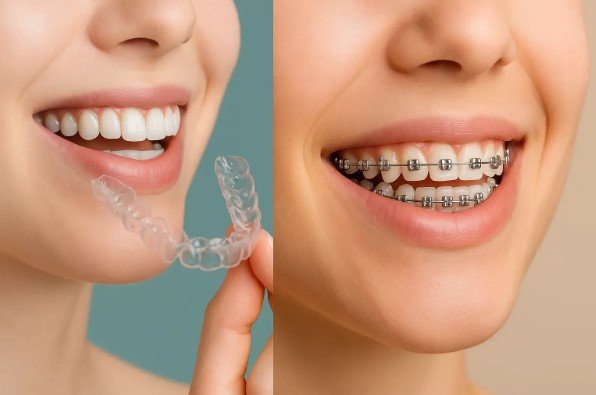
Choosing between braces and clear aligners can feel straightforward until you picture wearing them through an ordinary working week. Meetings, lunch away from home and the first coffee of the morning all bring practical questions into focus. Appearance matters, but so does understanding what you will need to do each day, particularly when your schedule changes or you spend long stretches away from home.
The useful comparison covers how each appliance looks, what happens around meals, how cleaning works and where appointments fit into your calendar. Those preferences belong alongside a professional assessment of which treatments are suitable for your teeth.
Start With What Your Teeth Need
Your dental needs establish which options are worth comparing. Treatment choices depend on the amount of tooth movement needed, as well as your bite and oral health. Two people with a similar-looking gap or crowded tooth may receive different treatment recommendations after an examination. A photograph or a friend’s experience cannot show everything a dentist or orthodontist considers when planning how teeth should move.
Once the suitable options are clear, your everyday preferences become useful information for the clinician, rather than a substitute for that assessment. Mention a public-facing job, frequent travel or an unpredictable meal schedule, and ask how each proposed appliance would fit those circumstances. You do not need to arrive with the decision already made; bringing a realistic picture of your week gives the conversation somewhere practical to start.
Fixed or Removable Changes the Daily Routine
Fixed and removable appliances create different responsibilities throughout the day. One of the everyday differences between clear aligners and braces is that aligners come out for meals, while fixed braces stay in place. With braces, there is no tray to remember to put back after lunch, although you still need to follow instructions about food and care. With aligners, removal is part of treatment, and so is returning them to your teeth according to the wear schedule your clinician prescribes.
Picture lunch at a café between appointments: aligners mean having a case available, storing the trays safely and allowing for the recommended cleaning routine before replacing them. Wrapping them in a serviette can make them easy to overlook when the table is cleared. Braces change the planning in another way, because hard or sticky foods may damage brackets or wires and your clinician will explain which foods need care. Neither arrangement removes the need for planning; the question is which responsibilities you understand and can realistically maintain.
Appearance at Work and in Social Settings
How noticeable treatment looks depends on the appliance and plan. Clear trays generally look less obvious than conventional metal brackets, but clear does not mean invisible in every setting. Some treatment plans use tooth-coloured attachments, small shapes bonded to teeth to help the aligners apply force, which can also be visible. Braces have variations too, including ceramic brackets and appliances positioned behind the teeth, so the comparison is not always simply transparent plastic versus metal on the front.
For someone who gives presentations or meets clients, it is reasonable to ask what the proposed appliance will look like during conversation. Ask whether attachments form part of the plan and whether the clinician can show an example of the design being discussed. A social meal also brings the practical side back into view, because removable trays need somewhere safe to go. Make plans around the prescribed wear instructions rather than assuming you can leave aligners out whenever an event or meeting comes up.
Cleaning Takes Planning With Either Option
The cleaning tasks change, but daily care remains essential. Braces add brackets and wires to work around, so cleaning involves reaching areas where food can collect and learning how to clean between teeth with the appliance in place. Aligners come out for brushing and interdental cleaning, but the trays themselves also need care according to the instructions you receive. Ask the dental team to demonstrate the routine with the equipment you will actually use, especially if an unfamiliar tool or technique is involved.
Professional dental care remains part of the picture before and during orthodontic treatment, alongside the work you do at home. Routine dental examinations include checks of your teeth, gums and bite, which help establish a baseline before treatment. For days away from home, a small kit with your recommended cleaning supplies and, for aligner wearers, a protective case can make that routine more manageable. Discuss what to do when facilities are limited rather than improvising a cleaning method that may not suit your appliance.
Appointments Still Belong in Your Calendar
Both options involve professional care beyond the first fitting. Both approaches need assessment and ongoing supervision by a dentist or orthodontist. The review arrangements depend on your individual treatment plan, so ask which appointments happen in person, how progress is monitored between visits and who is responsible for reviewing any concerns you report.
If you commute a long distance or work changing shifts, discuss appointment availability before committing, while there is time to understand what attendance will involve. Ask how the practice handles a damaged bracket, a lost tray or a problem that arises between scheduled reviews. It also helps to know whom to contact and how to obtain advice when you are away. A convenient schedule is valuable, but it needs to work alongside the monitoring your treatment requires.
Compare the Whole Plan, Not Just the Price
The headline price only tells part of the story. When comparing what the treatment price includes, check whether scans, review appointments and retainers are covered. Ask for a clear explanation of any items charged separately, including how the practice handles additional appointments or replacement appliances, rather than assuming two quotes cover exactly the same care.
Bring the conversation back to the daily responsibilities as well as the payment arrangements: what will you need to do, and what support will be available? Ask how follow-up works once the planned tooth movement is complete and what ongoing care the clinician expects. Written information can help you compare those answers after the appointment, when you have time to consider them. The aim is to understand the proposed plan well enough to discuss its practical demands with confidence.
Choose With Your Routine and Dental Needs in Mind
Start with the options that suit your dental needs, then consider how each would fit an ordinary week. Fixed braces and removable aligners bring different responsibilities around appearance, meals and cleaning, while both require ongoing professional care. Compare the complete plan, including appointments and aftercare, rather than relying on a headline price or someone else’s experience. Take your questions and a realistic account of your routine to the consultation so you can discuss those differences with the person responsible for your treatment.
