


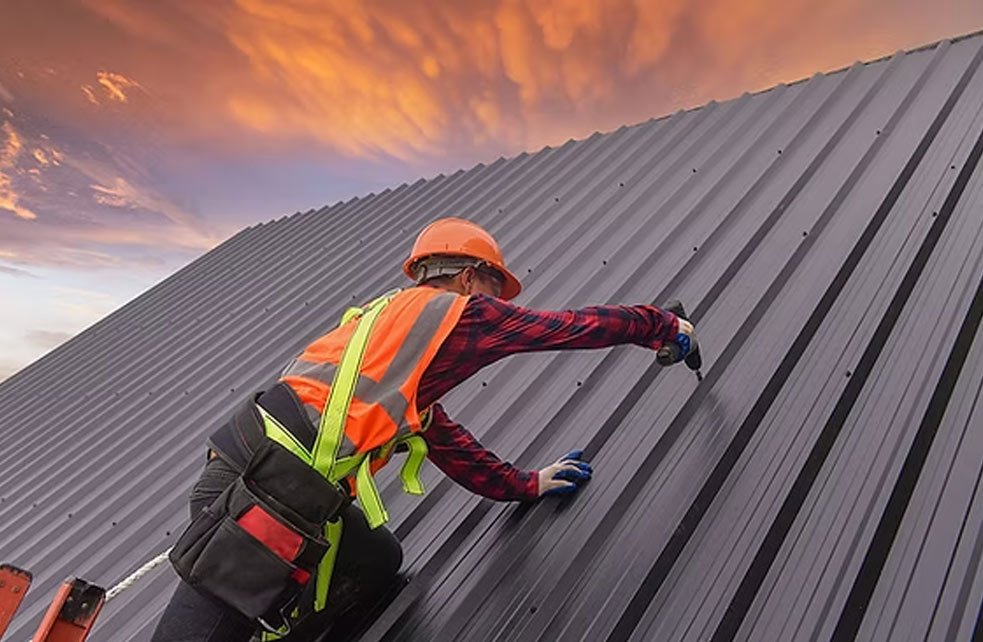
A reliable roofing system is essential for protecting any commercial property from rain, wind, moisture, sunlight, debris, and changing weather conditions. Unlike smaller residential roofing systems, commercial roofs often cover much larger areas and may include specialized materials, mechanical equipment, drainage systems, vents, skylights, and numerous roof penetrations. Because of this complexity, even a relatively small roofing problem can eventually affect a significant portion of the building if it is not identified and corrected. Professional roofing services can help property owners and facility managers maintain a dependable exterior while reducing the risk of water intrusion, structural deterioration, business disruption, and unexpected repair expenses.
Commercial roofing should be viewed as a complete building protection system rather than simply a surface installed over the top of a structure. The roof works together with insulation, flashing, drainage components, walls, ventilation, equipment curbs, and other exterior elements to manage water and environmental exposure. When one component becomes damaged or deteriorated, it can affect the performance of surrounding areas. Regular inspections, proper maintenance, timely repairs, and professional installation can therefore make a significant difference in the long-term reliability of a commercial property.
Understanding the Importance of a Commercial Roof
The roof of a commercial building performs several important functions beyond keeping rain out. It protects inventory, equipment, electrical systems, interior finishes, employees, customers, and business operations from outdoor conditions. A compromised roof can allow water to enter the building and potentially affect valuable materials or equipment. Persistent moisture can also contribute to deterioration of insulation, decking, ceilings, walls, and other structural components. For businesses, these problems can create interruptions that extend far beyond the original roofing issue.Because commercial properties often have extensive roof areas, identifying problems early is particularly important. A small damaged seam or deteriorated flashing detail can expose the interior to moisture during heavy rainfall. If the issue remains unnoticed, repeated exposure can gradually increase the amount of damage. Professional roofing inspections provide an opportunity to identify vulnerable areas and determine whether maintenance or repairs are necessary before the problem becomes more extensive.
Common Problems Found on Commercial Roofs
Commercial roofing systems can experience many different types of damage depending on their age, material, installation quality, maintenance history, and exposure to weather. Common concerns include leaks, damaged membranes, cracked or deteriorated surfaces, loose flashing, blocked drains, ponding water, damaged seams, and problems around roof penetrations. Some issues develop gradually, while others may occur suddenly after severe weather or accidental impact.Water intrusion is one of the most serious concerns because moisture can travel through roofing materials before becoming visible inside the building. A ceiling stain may appear several feet away from the actual entry point, making it difficult to identify the source without a professional evaluation. Rather than simply covering the visible stain, an experienced roofing professional can investigate the roof surface, seams, flashing, penetrations, and drainage areas to determine where water is entering and what needs to be repaired.
The Value of Regular Roof Inspections
Regular inspections are an important part of commercial property maintenance because many roofing problems are difficult to identify from ground level. Professional roofers can examine areas that property owners may not normally access, including seams, roof edges, drains, flashing, equipment curbs, penetrations, and other vulnerable locations. An inspection can identify deterioration that has not yet resulted in an interior leak and provide property managers with a clearer understanding of the roof’s current condition.Inspections are especially valuable after severe weather. Strong winds, hail, heavy rain, and falling debris can cause damage that may not immediately produce visible signs inside the building. A professional assessment after a major weather event can reveal loose materials, punctures, damaged flashing, and other concerns before another storm creates additional problems. Routine inspections also help establish a maintenance history, allowing property owners to track recurring issues and plan future work more effectively.
Repairing Commercial Roofing Damage
Not every damaged commercial roof requires complete replacement. If the roofing system is generally in good condition and the problem is limited to specific areas, professional repairs may restore the roof’s performance. Depending on the roofing material, repairs can involve fixing damaged membrane sections, sealing appropriate seams, replacing flashing, correcting drainage issues, repairing roof edges, or addressing other localized defects.The quality of a repair depends on identifying the underlying cause rather than simply treating the visible symptom. For example, a recurring leak may not be caused by the roofing surface directly above the interior stain. Water could be entering through a nearby penetration, flashing detail, seam, or damaged section and traveling through the roofing assembly. A professional contractor can investigate the surrounding area and develop a repair that addresses the actual source of the problem.
When Roof Replacement Becomes the Better Option
Repairs can extend the service life of a commercial roof, but there comes a point when continued patching may no longer be the most economical approach. Widespread deterioration, repeated leaks, extensive storm damage, aging materials, and recurring maintenance requirements can indicate that replacement deserves consideration. A professional inspection can help determine whether the existing system still has sufficient service life to justify additional repairs.A replacement project can also provide an opportunity to correct underlying issues that may have affected the previous roof. Damaged decking can be addressed, insulation can be evaluated, drainage can be improved, and outdated roofing materials can be replaced with a system better suited to the property’s requirements. Rather than focusing only on immediate repair costs, property owners should consider the expected service life, maintenance requirements, energy performance, and long-term value of the replacement system.
Choosing Suitable Commercial Roofing Materials
Different commercial properties require different roofing solutions. Single-ply membrane systems, modified bitumen, built-up roofing, metal roofing, coatings, and other materials may be appropriate depending on the building’s design and performance requirements. Factors such as roof slope, drainage, equipment placement, foot traffic, weather exposure, maintenance expectations, and budget should all be considered before selecting a material.A material that performs well on one building may not necessarily be the best choice for another property. Professional roofing contractors can evaluate the existing structure and explain the strengths and limitations of available options. Property owners should consider durability and lifecycle costs rather than focusing exclusively on the lowest initial installation price. A roofing system that requires fewer repairs and provides reliable long-term performance may offer better overall value.
Managing Water Drainage Effectively
Effective drainage is one of the most important aspects of commercial roofing, especially on flat and low-slope systems. Rainwater must be directed toward drains, scuppers, gutters, and downspouts so that it does not remain on the roof for extended periods. Blocked drains, damaged drainage components, or inadequate water flow can contribute to ponding and place unnecessary stress on roofing materials.Regular maintenance should include checking drains and removing leaves, dirt, branches, and other debris that can restrict water movement. If ponding continues despite routine cleaning, the underlying drainage design should be evaluated. Simply removing water after it accumulates does not resolve the cause of the problem. A professional contractor can determine whether grading, drainage components, or other roofing details require correction.
Protecting Flashing and Roof Penetrations
Commercial roofs often contain numerous penetrations for HVAC equipment, vents, pipes, skylights, electrical components, and other systems. Every penetration creates a transition that requires careful waterproofing. Flashing and sealants around these areas can deteriorate due to age, weather exposure, movement, or improper installation, creating potential pathways for water.During routine inspections, these locations should receive particular attention. A professional roofer can check for loose flashing, cracks, gaps, deteriorated sealants, and other signs of failure. Addressing these issues early can help prevent leaks and protect the surrounding roofing materials. Because commercial buildings often have many penetrations, maintaining these details is an important part of long-term roof care.
The Impact of Severe Weather
Weather events can cause significant damage to commercial roofing systems. High winds can loosen membranes or edge components, hail can create surface damage, and falling branches can puncture roofing materials. Heavy rainfall may expose weak areas that were previously unnoticed. Older roofs can be particularly vulnerable because years of exposure may have already weakened materials.After severe weather, property owners should consider scheduling a professional evaluation rather than waiting for an interior leak. Some damage may remain hidden until additional rainfall occurs. Early identification allows repairs to be planned promptly and can reduce the likelihood of moisture spreading into insulation or structural components. When storm damage is extensive, the inspection can also help determine whether targeted repairs or larger restoration work is appropriate.
Commercial Roof Maintenance Strategies
Preventive maintenance is one of the most effective ways to manage a commercial roofing investment. A maintenance program can include scheduled inspections, drain cleaning, debris removal, flashing checks, seam evaluations, equipment-area inspections, and timely correction of minor defects. The exact requirements depend on the type and age of the roofing system.Maintenance should also consider activities taking place on the roof. HVAC technicians, maintenance workers, and other personnel may need regular access to equipment. Repeated foot traffic or dropped tools can damage certain roofing surfaces if appropriate precautions are not taken. Designated walkways and protective measures can help reduce unnecessary wear and accidental damage.Maintaining accurate records of inspections and repairs can also help property managers understand how the roof is performing over time. These records can make it easier to identify recurring problems and plan future investments.
Improving Energy Performance
The roofing system can influence the energy performance of a commercial building. Insulation, air sealing, ventilation, roof surface characteristics, and overall building-envelope design can all affect how heat moves through the structure. When a roof is being repaired or replaced, property owners may have an opportunity to evaluate related components and determine whether improvements could support better building performance.
Reflective roofing materials or compatible coatings may be beneficial for some properties, depending on the design and environmental conditions. However, roofing material alone does not determine energy efficiency. Proper insulation, ventilation, windows, doors, and HVAC performance also play important roles. A professional contractor can help identify roofing-related improvements that make sense within the broader building system.
Planning Roofing Work Around Business Operations
One of the biggest challenges of commercial roofing projects is maintaining normal business activity while work is underway. Offices, retail buildings, warehouses, industrial facilities, and other commercial properties may need to remain operational throughout the project. Roofing work can involve noise, equipment, material deliveries, restricted access, and temporary changes to certain areas of the property.Professional planning can help reduce these disruptions. Contractors can coordinate work schedules with facility managers, organize material staging, manage debris, and complete projects in sections when appropriate. Clear communication before and during the project allows employees and occupants to understand what areas may be affected and when.A well-organized project can protect both the building and the business while the roofing work is completed. Scheduling work carefully is particularly important for businesses that have customer-facing areas, sensitive equipment, inventory, or strict operating schedules.
Why Professional Installation Matters
Even high-quality roofing materials can fail prematurely if they are installed incorrectly. Commercial roofing requires careful attention to seams, fasteners, flashing, drainage, edge details, penetrations, and other components. Errors in any of these areas can create vulnerabilities that may not become apparent until the roof is exposed to significant weather.Experienced roofing professionals understand the installation requirements associated with different systems and can follow appropriate procedures for preparation, material placement, fastening, and waterproofing. Professional installation can also help ensure that manufacturer requirements and applicable project specifications are properly followed.A quality installation should include careful preparation of the existing surface, proper treatment of vulnerable transitions, attention to drainage, and a thorough review of the finished system. These details can have a major influence on how well the roof performs over time.
Selecting the Right Roofing Contractor
Choosing a qualified contractor is one of the most important decisions for a commercial roofing project. Property owners should look for professionals with relevant experience, strong communication practices, appropriate equipment, and knowledge of the roofing system being installed or repaired. A contractor should be able to explain the recommended solution clearly and provide information about materials, labor, project scheduling, maintenance, and expected performance.A detailed estimate can help property owners understand the scope of work before construction begins. It is also useful to discuss warranties, cleanup procedures, safety practices, and how unexpected conditions will be handled if damaged decking or other hidden problems are discovered.A reliable contractor should focus on solving the actual roofing problem rather than recommending unnecessary work. Clear communication and transparent project planning can make the overall experience easier for property owners and facility managers.
Long-Term Benefits of Professional Roofing Care
Professional roofing services can provide benefits that extend well beyond fixing a current leak. Regular maintenance can help preserve the condition of roofing materials, while timely repairs can reduce the likelihood of extensive moisture damage. Proper replacement planning can also prevent property owners from being forced into emergency decisions when an aging roof finally fails.A well-maintained commercial roof can help protect the building’s interior, reduce unexpected interruptions, and support long-term property value. It also allows property managers to plan maintenance expenses more effectively. Instead of reacting to every roofing problem as an emergency, they can establish a structured approach based on inspections, documented conditions, and anticipated service requirements.This proactive strategy is particularly valuable for large commercial properties where roofing problems can affect many areas of the building at once. Regular professional attention provides greater control over the condition of the roof and helps property owners make informed decisions.
Creating a Complete Commercial Roofing Plan
The best approach to commercial roof management combines professional inspections, preventive maintenance, timely repairs, appropriate materials, quality installation, and long-term planning. Each element contributes to the overall performance of the roofing system. Ignoring one area can create problems that eventually affect the others.
Property owners should monitor the age and condition of their roof, schedule inspections, maintain drainage systems, address minor defects promptly, and plan for eventual replacement when necessary. A professional contractor can help establish priorities and recommend solutions based on the actual condition of the property rather than assumptions.Businesses that invest in proper roofing care can protect their buildings while reducing the likelihood of unexpected disruptions. Whether the property requires maintenance, repairs, storm restoration, or a complete replacement, professional guidance can help ensure that the roofing system receives the attention necessary for dependable long-term performance.
Conclusion
A commercial building depends on its roofing system to protect valuable assets, interior spaces, equipment, employees, customers, and everyday operations. Because commercial roofs are often large and complex, even minor problems can become significant if they are ignored. Regular inspections, effective drainage, proper flashing, preventive maintenance, and timely repairs can help maintain the integrity of the entire roofing system.
When an existing roof reaches the end of its useful life, replacement can provide an opportunity to improve durability, drainage, insulation, and overall building protection. Choosing the right materials and ensuring professional installation are essential for achieving reliable results. Property owners should also consider long-term maintenance and lifecycle costs when making roofing decisions.For businesses that need dependable commercial roofing solutions, professional roofing services can provide the experience and technical knowledge required to manage repairs, maintenance, storm damage, and replacement projects effectively. Taking a proactive approach to roofing care helps protect the property, reduce unexpected expenses, and support uninterrupted business operations. With proper planning, quality workmanship, and regular maintenance, a commercial roofing system can provide strong and dependable protection for many years.
