


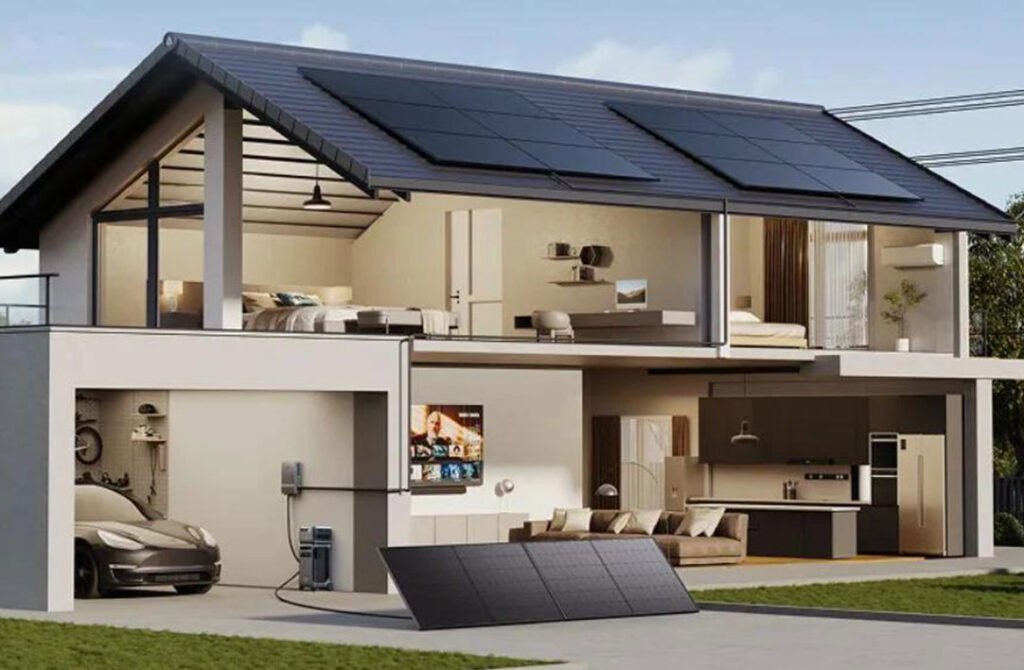
A home battery backup can lower peak energy use by storing electricity when demand and rates are lower, then supplying that stored power when the household would otherwise draw heavily from the grid. This process reduces short bursts of high consumption, helps flatten usage patterns, and can improve how efficiently a home uses available energy. It is especially useful in homes with predictable evening demand, large appliances, or solar generation. The key is not simply having a battery, but using it strategically so stored energy supports both daily consumption and backup needs.
Why Household Energy Use Peaks at Certain Times
Daily Routines That Create Demand Spikes
Most homes create demand spikes during the same parts of the day because people follow similar routines. Energy use often jumps in the morning when lights, water heaters, coffee makers, and HVAC systems start running together. A second and larger peak usually appears in the evening, when cooking, laundry, entertainment devices, and air conditioning overlap. These stacked loads matter because utilities measure demand based on how much power the home pulls at one time, not just total daily consumption. Concentrated activity over a short window raises the household’s peak energy use quickly and noticeably.
High-Power Appliances That Drive Peak Loads
Peak loads are often driven by a few appliances that require large amounts of power over short periods. Electric ovens, induction cooktops, dryers, air conditioners, space heaters, and water heaters can each add a substantial load when switched on. If several operate at once, total household demand rises sharply. Even equipment that runs intermittently, such as refrigerators or pool pumps, can contribute when they cycle on during already busy periods. The issue is less about any single device and more about overlap. Simultaneous operation turns normal household activity into a pronounced and expensive demand spike.
How a Home Battery Changes the Peak-Use Pattern
Charge the Battery During Lower-Demand Hours
A battery backup for home reduces peak demand most effectively when it charges during lower-demand hours, such as overnight or midday solar production windows. Instead of pulling heavily from the grid during expensive evening periods, the home stores energy earlier and uses it later. Anker SOLIX E10 works with rooftop solar or standalone to store solar and off-peak power for use during peak periods. That makes it useful for households that want more control over when electricity is consumed. By shifting charging to quieter hours, the battery helps separate energy use from real-time household demand patterns.
Shift Stored Energy Into Peak Periods
Once the battery is charged, it can discharge during the hours when household demand typically rises. This practice, often called load shifting or peak shaving, lowers the amount of electricity the home needs from the grid at the most stressful times of day. Instead of buying full-price power while appliances, lighting, and HVAC systems run together, the battery covers part of that load. The result is a flatter demand profile and less dependence on grid supply during evening peaks. For homes on time-based rates, this also aligns energy use with less costly periods more effectively.
Smooth Sudden Spikes in Household Demand
A home battery also helps with shorter, sharper spikes that happen when high-draw appliances start unexpectedly. For example, if an air conditioner compressor kicks on while dinner is cooking and the dryer is running, battery output can help absorb part of that surge. This does not mean every appliance runs entirely on stored power, but it can reduce how much additional electricity the home suddenly requests from the grid. Smoother demand matters because peaks are shaped by timing as much as total use. Fast response from stored energy can soften those stacked moments before they become significant spikes.
Balance Peak Reduction With Backup Readiness
Reserve Enough Capacity for Unexpected Outages
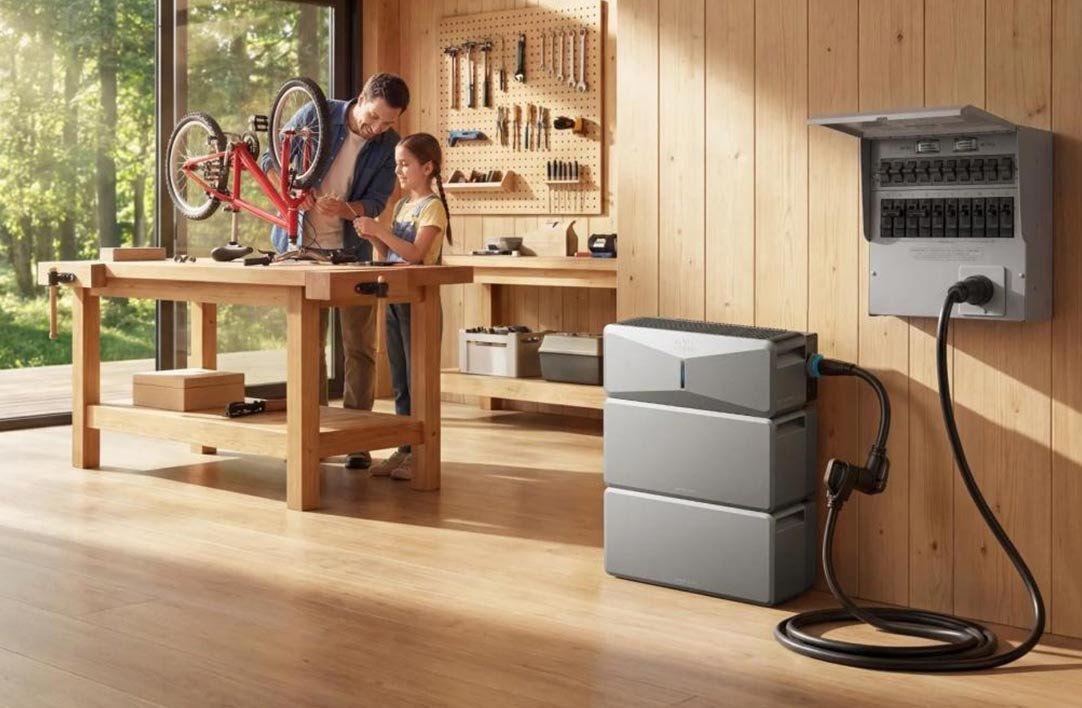
Reducing peak demand should not leave the battery too depleted to support the home during an outage. A practical setup keeps part of the battery in reserve so critical circuits remain powered if the grid fails. Refrigeration, internet equipment, lighting, medical devices, and selected outlets often take priority over less essential loads. The right reserve level depends on outage risk, household habits, and whether solar can recharge the system during the day. By protecting a dedicated backup margin, homeowners can still lower peak energy use without sacrificing the reliability that makes battery storage valuable in the first place.
Use Smart Energy Management to Set Priorities
Smart energy management makes peak reduction more effective by deciding when the battery should charge, discharge, or hold power in reserve. A well-configured system can prioritize critical loads, respond to utility rate schedules, and preserve capacity for backup before storms or grid instability. It can also prevent unnecessary cycling that reduces efficiency and limits available stored energy when the home needs it most. Clear priorities matter: lower grid demand during routine peaks, keep essential devices running during outages, and use available solar wisely. That balance turns battery storage from simple backup into an active household energy management tool.
Conclusion
A home battery backup can lower peak energy use when it is used to store electricity ahead of time and discharge during high-demand periods. It reduces overlap between major household loads and real-time grid consumption, which helps flatten daily demand patterns. The biggest gains come from charging during off-peak hours or from solar, then using stored energy during evening spikes and sudden appliance surges. To make that strategy practical, homeowners should also protect backup capacity and set smart priorities for essential loads. When managed well, a battery becomes both a resilience asset and a reliable tool for peak-demand control.
