


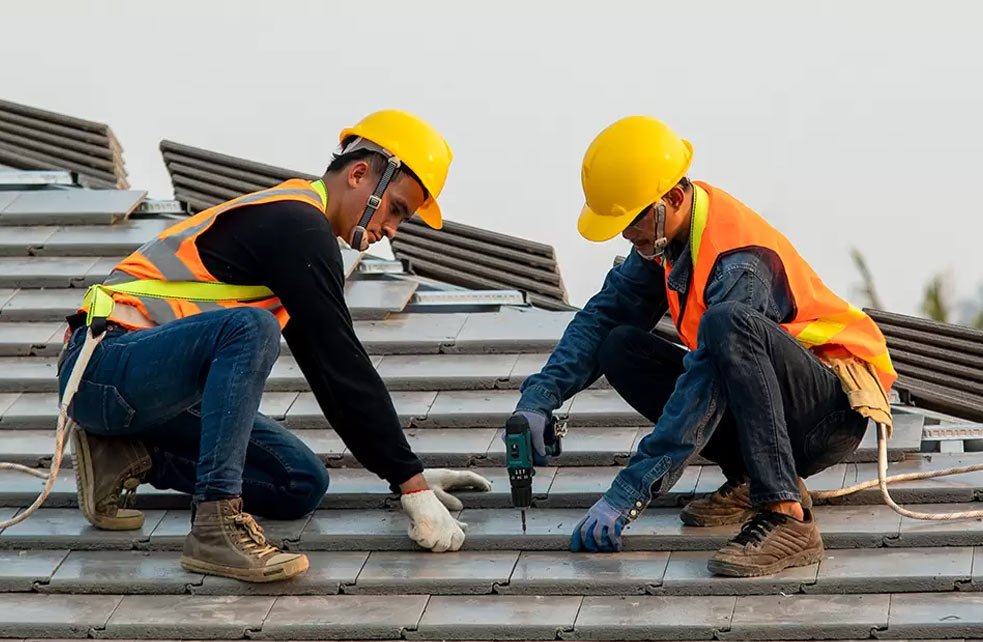
A roof is one of the most important protective systems on any property, and its condition can directly influence the safety, comfort, and long-term value of the structure. From minor leaks and damaged shingles to complete roof replacements, roofing work requires careful planning and skilled workmanship. Choosing the right roofing contractor can make a significant difference in how effectively a project is completed and how well the finished roofing system performs over time. An experienced professional can evaluate existing conditions, identify hidden concerns, recommend suitable materials, and complete installation or repairs according to established roofing practices.
Understanding the Role of a Professional Roofing Contractor
A qualified roofing professional does much more than install shingles. Roofing contractors can inspect existing systems, diagnose leaks, repair damaged areas, replace deteriorated materials, install new roofing systems, and evaluate related components such as flashing, gutters, soffits, fascia, and ventilation. Because these components work together, roofing work requires an understanding of the entire exterior rather than focusing only on the visible roof covering.A professional evaluation can also help property owners determine whether a problem requires a simple repair or more extensive work. For example, a small area of wind damage may be repaired without disturbing the rest of the roof, while widespread deterioration may indicate that replacement is a more practical long-term solution. Having an experienced professional assess the condition allows decisions to be based on the actual needs of the roofing system rather than assumptions.
Recognizing Common Roofing Problems
Roofing systems experience constant exposure to weather, which can gradually cause deterioration. Strong winds can lift or remove shingles, while heavy rainfall can expose weaknesses around flashing, valleys, vents, and other transitions. Sunlight and temperature changes can also affect roofing materials over time.Common warning signs include cracked or curling shingles, missing roofing materials, excessive granule accumulation in gutters, damaged flashing, visible sagging, and recurring leaks. Interior stains on ceilings or walls may indicate that water has entered through the roofing system, although other sources should also be considered.A professional inspection can help determine whether these signs represent isolated damage or evidence of a larger problem. Early evaluation is particularly valuable because small defects can sometimes be corrected before they affect the roof deck, insulation, framing, or interior finishes.
Why Professional Roof Inspections Matter
A roof can appear acceptable from ground level while still having problems in less visible areas. Valleys, roof penetrations, chimneys, skylights, wall intersections, and roof edges require careful inspection because water can enter through these locations when flashing or surrounding materials deteriorate.Professional inspectors know where to look for signs of moisture intrusion, material failure, poor installation, and drainage problems. They can also examine attic areas for evidence of leaks or ventilation concerns. This broader assessment provides a clearer picture of the roof’s condition.Regular inspections can be particularly helpful after severe weather or when an older roofing system begins showing signs of deterioration. Identifying problems early may help property owners avoid more extensive repairs later.
Selecting Appropriate Roofing Materials
The right roofing material depends on several factors, including the property’s design, roof slope, expected weather exposure, maintenance preferences, and available budget. Asphalt shingles remain a popular option because they are available in numerous styles and can provide a practical combination of appearance, performance, and cost.Architectural shingles can create greater visual depth and are available in a wide range of designs. Metal roofing provides another option for property owners seeking durability and a different architectural appearance. Tile, slate, and specialty roofing products can also be suitable for certain structures when their structural and installation requirements are properly considered.A knowledgeable roofing professional can explain the advantages and limitations of different materials. Rather than choosing a product based solely on appearance or initial price, homeowners should consider expected service life, maintenance requirements, installation requirements, and compatibility with the existing structure.
Evaluating the Roof Deck
The roof deck provides the structural surface beneath the roofing materials. Its condition is therefore an important consideration during repairs and replacement projects. Long-term moisture exposure can weaken decking and create areas that are no longer suitable for supporting new roofing materials.When existing roofing materials are removed, damaged sections of decking may become visible. These areas should be evaluated and repaired before new roofing materials are installed. Covering deteriorated decking without correcting the underlying problem can compromise the performance of the new system.A professional roofing contractor can identify these conditions during the project and explain what repairs may be necessary. Addressing the roof deck properly helps create a stronger foundation for the finished roofing system.
The Importance of Proper Flashing
Flashing is used around areas where roofing materials meet walls, chimneys, vents, skylights, valleys, and other transitions. These locations require careful attention because water can enter through gaps or damaged components.Old flashing should be inspected during roofing work rather than automatically reused. If it is corroded, damaged, improperly positioned, or incompatible with the new roofing material, replacement may be necessary.Proper flashing installation helps direct water away from vulnerable areas and into appropriate drainage paths. Because flashing problems are a common source of leaks, professional installation can play an important role in protecting the roof over the long term.
Roof Ventilation and Attic Performance
A properly designed ventilation system helps manage heat and moisture within the attic. Intake and exhaust vents should work together to support appropriate airflow through the roof space.Poor ventilation can contribute to excessive heat or moisture accumulation. Condensation can also create moisture-related problems that may be mistaken for roof leaks. Over time, these conditions can affect insulation, wood components, and roofing materials.When inspecting or replacing a roof, ventilation should therefore be considered as part of the complete system. A professional can evaluate existing vents and determine whether improvements may be appropriate for the structure.
Managing Roof Drainage
A roof must effectively move rainwater toward gutters, downspouts, and other drainage components. Problems with roof valleys, gutters, downspouts, or roof pitch can interfere with this process and create areas where water accumulates.Gutters should remain properly aligned and securely attached to the roof edge. Downspouts should provide a clear path for water to move away from the structure. If drainage problems are contributing to roof deterioration, repairing the roof without correcting the water-management issue may allow the damage to return.A comprehensive roofing evaluation considers the entire drainage path. This approach helps ensure that roof repairs and improvements work together with the property’s exterior water-management system.
Handling Storm and Wind Damage
Severe weather can cause sudden roofing problems that require prompt professional attention. High winds may loosen or remove shingles, while hail can damage roofing surfaces. Heavy rainfall can expose weaknesses around flashing, valleys, vents, and roof edges.After a storm, visible damage should be inspected as soon as practical. Some problems may be obvious from the ground, but others can remain hidden until water enters the structure.A professional assessment can identify damaged materials and determine whether temporary protection or permanent repairs are needed. Addressing storm damage promptly can help prevent additional moisture from entering the roof assembly.
When Roof Repair Is the Better Option
Not every roofing problem requires complete replacement. If damage is limited to a small section and the surrounding system remains in good condition, a targeted repair may be the most practical solution.Repairs may involve replacing damaged shingles, correcting flashing, sealing appropriate areas, repairing roof edges, or addressing other localized problems. The objective is to restore the affected area while maintaining the integrity of the surrounding roof.However, repairs should be based on the overall condition of the system. If a roof is experiencing widespread deterioration or repeated problems across multiple areas, continuing to repair individual sections may not provide good long-term value.
Knowing When Replacement Is Necessary
Aging materials, widespread leaks, extensive damage, repeated repairs, and deteriorated roof decking can all indicate that replacement may be more appropriate than continued repairs.A complete roof replacement provides an opportunity to address underlying issues and install a new system from the roof deck upward. It can include new underlayment, flashing, ventilation components, roofing materials, and related roof-edge improvements.A professional evaluation can help homeowners compare the costs and benefits of repair versus replacement. Considering the roof’s age, condition, maintenance history, and expected remaining service life can lead to a more informed decision.
Protecting Fascia and Soffits
Fascia and soffits are closely connected to the roofing system and can be affected by moisture problems. Deteriorated fascia may weaken gutter attachment points, while damaged soffits can affect ventilation beneath the roof overhang.During roofing work, these components should be inspected for signs of rot, staining, separation, or other deterioration. Addressing damaged areas while the roofing project is underway can help create a more complete exterior solution.Proper coordination between roofing, fascia, soffit, and gutter components also helps maintain the appearance of the roofline and improve water management.
Why Installation Quality Matters
Roofing materials are designed to perform according to specific installation requirements. Incorrect fastening, inadequate overlap, poor flashing, insufficient ventilation, or improper drainage can reduce the effectiveness of even high-quality materials.Experienced professionals understand how roofing components interact and follow appropriate installation procedures for the selected system. They also pay attention to vulnerable areas such as valleys, ridges, roof edges, penetrations, and transitions.For homeowners investing in a new roofing system, professional workmanship can help maximize the expected performance of the materials and reduce the likelihood of premature problems.
What to Look for When Hiring a Roofing Professional
Before hiring a contractor, property owners should consider the company’s experience, communication, workmanship, materials, project scope, and ability to explain the proposed work clearly. A professional should be willing to discuss the condition of the existing roof and explain why specific repairs or materials are being recommended.It is also important to understand what is included in the project. Homeowners should ask about removal of existing materials, roof deck repairs, underlayment, flashing, ventilation, cleanup, and disposal of roofing debris.Clear communication before work begins can help reduce misunderstandings and ensure that both the homeowner and contractor have the same expectations regarding the project.
Preparing for a Roofing Project
Proper preparation can make the roofing process more organized and efficient. The property may need protection around landscaping, windows, siding, exterior fixtures, and other vulnerable areas. Homeowners may also need to secure fragile items indoors because roofing work can create vibration.The contractor should establish a clear process for material delivery, old-roof removal, installation, cleanup, and final inspection. Weather conditions can also affect scheduling, so homeowners should understand that roofing work may require adjustments when conditions are unsuitable.Good preparation helps reduce unnecessary disruption while allowing the installation team to focus on completing the project safely and effectively.
Maintaining a Roof After Professional Service
Even a professionally installed roof requires regular maintenance. Gutters should be kept clear, and downspouts should be checked to make sure water can flow freely. Debris should not be allowed to accumulate on the roof for extended periods.Homeowners should periodically inspect visible roofing materials for missing shingles, damaged flashing, unusual staining, or other signs of deterioration. After significant storms, an additional inspection can help identify damage that may not be immediately obvious.Attic spaces should also be monitored for moisture, staining, damp insulation, or unusual odors. Early identification of problems can make repairs more manageable and help protect the overall roofing investment.
Long-Term Benefits of Professional Roofing Services
Professional roofing work can provide more than immediate repairs. Proper installation and maintenance can help extend the useful life of the roofing system while supporting the condition of related exterior components.A well-maintained roof can also contribute to better moisture management and protect interior spaces from weather exposure. Improving the roof can enhance the property’s appearance as well, particularly when old or deteriorated materials are replaced with a clean, consistent system.For homeowners planning a major exterior improvement, working with an experienced roofing contractor can provide the expertise needed to evaluate the entire roofing system and develop an appropriate solution.
Conclusion
A reliable roof requires proper materials, careful installation, effective drainage, appropriate ventilation, and regular maintenance. Whether the property needs a small repair, storm restoration, or complete replacement, selecting an experienced professional can make the process more dependable and help prevent avoidable problems.
A qualified roofing professional can evaluate the existing system, identify the source of damage, recommend appropriate materials, repair vulnerable areas, and coordinate related components such as flashing, gutters, fascia, and soffits. This comprehensive approach helps ensure that the roof is treated as an integrated protective system rather than a collection of separate materials.When roofing problems appear, addressing them promptly can protect the property from additional moisture damage and unnecessary repair costs. With professional assessment, quality materials, skilled workmanship, and ongoing maintenance, homeowners can maintain a stronger, more attractive, and more reliable roof for years to come.
