


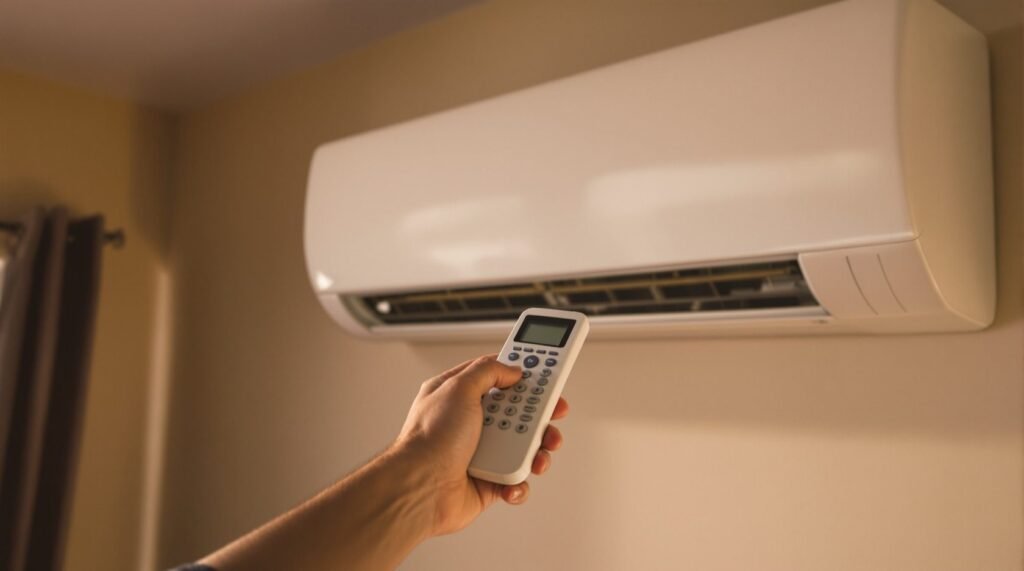
Uneven room temperatures, weak airflow at a few vents, or a system that runs but still doesn’t keep you comfortable often point to an airflow problem rather than an immediate equipment failure. Before you schedule a visit, a few targeted checks can reveal whether the issue starts at the filter, the return path, the blower, or the coil and condensate system. These observations do not replace professional testing with a manometer or refrigerant gauges. Still, they can help you describe symptoms clearly, avoid preventable damage like coil icing, and sometimes restore normal operation. The steps below lean on practical signs you can see, hear, and feel at the filter rack, return grilles, supply registers, thermostat, and outdoor unit.
-
Check Filter Type, Fit, and Replacement Interval
Start at the filter rack or return grille. A high-MERV pleated filter can catch more particles than a basic fiberglass pad, but it also adds airflow resistance as it loads with dust. If the filter is bowed inward, whistling, or shows dark streaks around the frame, air is bypassing or struggling through it. Many service pages, such as https://payneair.com/, provide general filter guidance, but your system’s geometry matters too. A slightly undersized filter can rattle and leak unfiltered air into the return plenum, dirtying the evaporator coil. A tight, square fit with the arrow pointing toward the air handler is essential for both capture and flow.
A common mistake is stacking filters for “extra cleaning.” Doubling filters or using a dense media in a narrow return grille can spike static pressure and starve the blower. That can drop the evaporator coil temperature below freezing and start ice buildup on the suction line. If your filter clogs quickly, consider that a sign of a duct leak or a return drawing from a dusty area, not a reason to use an even tighter filter. Replace the filter on the manufacturer’s timeline, check the frame fit, and note whether airflow at nearby supply registers improves within minutes after replacement.
-
Spot Restricted Return Air: Grilles, Doors, and Duct Leaks
Return grilles need clear space. A sofa against the return, drapes pulled over it, or a rug tucked into the grille can cut off the system’s air supply. Interior doors also matter. When bedrooms have supply registers but no dedicated returns, closing the door can trap air, increase room pressure, and reduce supply flow. Try the quick tissue test: with the system running, slightly crack the door and see if air pulls the tissue toward a hall return. If not, the door undercut may be too small, or the path back to the return plenum may be restricted. Jumper ducts or transfer grilles are long-term fixes, but as a first step, keep key doors open during peak cooling hours.
Return side duct leaks pull unconditioned air from attics, crawlspaces, or garages. If your filter loads with gray dust unusually fast or you smell attic odors through the grilles, that is a red flag. A leaky return reduces airflow to the blower while adding heat and humidity, so rooms feel clammy even when the thermostat shows the setpoint. Look for disconnected flex duct at a return can, gaps at the air handler, or a crushed return run. Sealing and straightening these paths can dramatically reduce static pressure and balance temperatures without changing the outdoor condenser.
-
Observe the Blower and Registers: Noise, Velocity, and Balance
Listen to the air handler when it starts. A variable-speed (ECM) blower should ramp up smoothly, not jump loudly to high speed and struggle. Whistling at supply registers or return grilles signals high face velocity or undersized openings. If one room roars while another barely moves air, the system is likely unbalanced. Avoid the quick fix of closing supply registers to “push” air elsewhere. That raises total external static pressure, which can overwork the blower motor and drive air out of weak duct connections. If your branch ducts have balancing dampers near the trunk, small adjustments there are safer than shutting registers at the grille.
Consider a realistic example: a bonus room over the garage is always warm. Inspect the flex duct feeding that room for tight bends, kinks at support straps, or sections crushed where storage boxes press against it. A single sharp elbow or collapsed flex liner can dramatically cut airflow. Also check the supply boot and register for construction debris or paint overspray. Restoring a smooth path with large-radius bends and proper supports can increase airflow at that register without equipment changes.
-
Coil and Condensate Clues: Icing, Drainflow, and Short Cycling
Ice on the suction line outside or frost on the evaporator coil door usually points to low airflow or a refrigerant side problem. Confirm the easy items first: a clean filter, open returns, and an unobstructed blower wheel. If the coil is iced, turn the system off and let it thaw before running again, or you risk liquid floodback to the compressor. Short cycling, where the system starts and stops in rapid bursts, often accompanies icing and can leave indoor humidity high. A technician can test refrigerant charge and the thermostatic expansion valve, but your airflow checks inform that diagnosis and can prevent repeat icing.
Cooling creates water. A steady trickle at the condensate drain during long runs is normal. Algae in the trap, a sagging vinyl line, or a failed float switch can shut the system down or cause water around the air handler. If your secondary pan has water or the drain is silent during a hot afternoon, investigate. Clearing the drain line with a wet/dry vacuum at an exterior cleanout and flushing with a mild vinegar solution are common homeowner tasks. Make sure the trap is intact and pitched downhill. After clearing, listen for gurgling that indicates air leaks at the coil drain pan connection that can also affect airflow through the cabinet.
Thermostat and Runtime Patterns: Setpoints, Differentials, and Fan Mode
Thermostats control more than setpoint. The differential (the swing between on and off) influences runtime length and humidity removal. If the system shuts off within a few minutes of starting, it may be oversized, or the differential may be too narrow for your ducts and blower. Fan mode changes comfort too. Auto lets the blower stop with the compressor, preserving moisture on the evaporator coil until the next cycle. On or Circulate mixes air continuously, which can even out room temperatures but may re-evaporate moisture from a wet coil and raise indoor humidity. The trade-off is smoother airflow versus potential dampness and higher fan energy use. Track how long cycles run during the hottest hour and whether the indoor temperature drifts or stabilizes.
Airflow problems telegraph themselves at the filter, returns, registers, coil, and thermostat long before they become expensive repairs. Confirm a snug, appropriate MERV filter, keep return paths clear, watch for kinks or crushed duct runs, and listen for whistling or blower strain. If you see icing or standing water, pause operation to prevent damage and document what you find so a licensed technician can test static pressure, inspect the evaporator coil, and verify charge and blower configuration. A short checklist today, plus routine filter changes and seasonal drain checks, can keep temperatures even and help your HVAC equipment run efficiently.
