


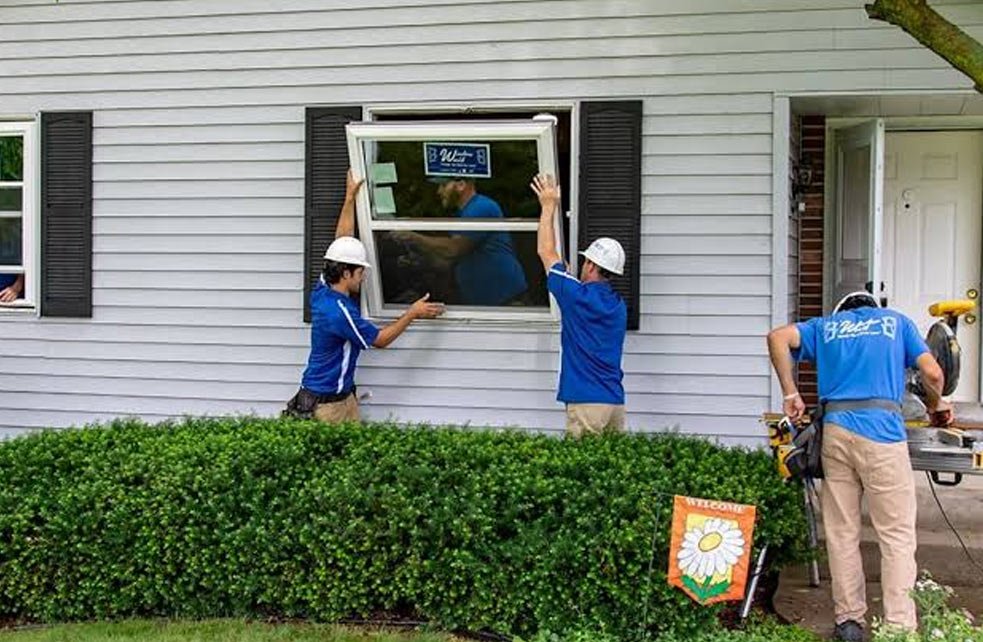
Windows are one of the most noticeable and functional features of a property, influencing everything from natural light and ventilation to indoor comfort, energy performance, exterior appearance, and protection from changing weather conditions. Because windows create openings within the exterior wall, their installation requires careful attention to the surrounding structure and building envelope. A window that is properly measured, positioned, sealed, insulated, and flashed can provide dependable performance for many years, while an improperly installed unit may develop air leaks, moisture problems, operating difficulties, or premature deterioration. For homeowners planning an exterior improvement, understanding the importance of professional window work can make it easier to protect the property while creating a more attractive and comfortable living environment.
Professional window installation involves much more than removing an old unit and placing a new window into the opening. The installer needs to evaluate the condition of the opening, surrounding framing, weather-resistant materials, flashing, insulation, siding, trim, and drainage details before completing the project. These components work together as part of the building envelope, meaning that a window should be treated as one element of a larger exterior protection system. Careful installation can help reduce unwanted air movement, manage water exposure, improve operation, and create a clean transition between the window and surrounding exterior materials.
Understanding the Importance of Proper Window Installation
A high-quality window can offer excellent performance, but the product alone does not guarantee a successful result. Installation quality has a direct effect on how the window functions and how effectively it interacts with the surrounding wall. If a window is installed out of square, it may become difficult to open and close. If the perimeter is not properly sealed, drafts may develop around the frame. If flashing and drainage details are incomplete, water may find a pathway into the wall assembly.
Professional installation addresses these concerns by following appropriate procedures for the selected window and the structure of the property. Installers take accurate measurements, prepare the opening, position the unit correctly, secure it properly, and complete the surrounding weatherproofing details. This attention to detail can help ensure that the window performs according to its intended design.Proper installation also improves the finished appearance. Straight and consistently positioned windows create clean exterior lines, while carefully installed trim provides a polished transition between the window and siding. These visual details can make a significant difference when windows are part of a larger exterior renovation.
Recognizing When New Windows May Be Necessary
Homeowners may begin considering new windows when existing units become difficult to operate, develop visible deterioration, or no longer provide the desired level of comfort. Windows that stick, refuse to close properly, or require excessive force to operate may have problems with hardware, framing, or deterioration. Although some issues can be repaired, repeated operating problems can indicate that the units are approaching the end of their useful service life.Drafts around closed windows are another common warning sign. Air leakage can occur through deteriorated seals, damaged frames, gaps around the opening, or outdated construction. If certain rooms feel noticeably colder or warmer near the windows, the existing units may be contributing to inconsistent indoor comfort.Fogging between panes of insulated glass can also indicate a failed seal. When the seal between glass panes deteriorates, moisture may enter the space between them, creating condensation that cannot simply be wiped away. Cracked glass, rotting frames, deteriorated trim, water staining, and visible gaps around the opening are additional conditions that deserve professional evaluation.
Evaluating the Existing Window Opening
Before a new window is installed, the condition of the existing opening should be examined carefully. Older properties may have irregular framing, previous repairs, damaged materials, or moisture-related deterioration that is not immediately visible from the interior or exterior.Removing the existing window provides an opportunity to inspect the opening more thoroughly. Contractors can look for damaged framing, deteriorated sheathing, moisture staining, inadequate flashing, or other conditions that could affect the new installation. Addressing these issues before installing the replacement unit can help create a stronger foundation for the project.Ignoring hidden deterioration can create problems later. A new window installed over damaged framing may not remain stable, and unresolved moisture problems may continue behind the new exterior. Proper inspection and preparation are therefore essential parts of a successful installation.
Accurate Measurements Create a Better Fit
Correct measurements are fundamental to window installation because replacement units must fit the available opening appropriately. Measurements should account for the width, height, depth, and condition of the opening while also considering how the new window will be positioned.Older openings are not always perfectly square or level. A professional installer can identify these irregularities and determine how they should be addressed. Accurate measurements help reduce unnecessary gaps and make it easier to position the window correctly.A properly sized unit can also support better operation. When the frame is positioned correctly, sashes and other moving components can function as intended. Poor measurements can create installation difficulties that may affect both appearance and performance.
Preparing the Opening Before Installation
Opening preparation is one of the most important stages of the installation process. Depending on the condition of the property, preparation may include removing deteriorated materials, repairing framing, cleaning the opening, installing flashing, improving weather-resistant barriers, and preparing the surface for the new unit.The goal is to create a stable and properly protected opening before the window is installed. This preparation allows the contractor to address moisture-management details while the opening is still accessible.Preparation can also involve checking insulation and air-sealing conditions. Gaps around the opening may contribute to drafts, so appropriate insulation and sealing materials should be installed according to the requirements of the window and wall assembly.
The Role of Flashing Around Windows
Flashing is an important part of exterior window installation because it helps manage water around the opening. Rainwater can reach the window directly, while wind-driven moisture can place additional pressure on vulnerable joints.Properly installed flashing helps direct water away from the window and surrounding wall materials. The exact approach depends on the window design, siding system, wall construction, and installation method.Flashing should be integrated with the other moisture-management components rather than treated as an isolated product. Weather-resistant barriers, drainage pathways, siding, trim, and sealants can all contribute to a complete system that helps reduce the possibility of water intrusion.
Preventing Air Leakage Around Windows
Air leakage can affect both comfort and energy performance. Even a small gap around a window can allow outdoor air to enter or conditioned indoor air to escape. When several windows have leakage problems, the combined effect may become noticeable.Proper installation can help reduce unwanted air movement by addressing the perimeter of the window opening. Appropriate insulation and air-sealing materials can be used where necessary, while ensuring that drainage and window operation are not obstructed.Homeowners should understand that replacing the window itself is only part of the solution. The surrounding opening must also be properly prepared and sealed for the installation to provide its intended performance.
Selecting the Right Window Material
Window frames are available in several materials, including vinyl, fiberglass, wood, and other engineered options. Each material has different characteristics related to appearance, maintenance, durability, and performance.Vinyl windows are often selected because they generally require relatively little maintenance and are available in numerous styles and colors. Fiberglass frames can offer durability and dimensional stability, while wood frames may provide a traditional appearance but typically require more ongoing maintenance.The best choice depends on the property’s architecture, homeowner preferences, budget, environmental exposure, and long-term maintenance expectations. Professional guidance can help homeowners understand these differences before making a decision.
Choosing a Window Style for Each Room
Window style can affect both functionality and appearance. Double-hung windows offer a traditional design and convenient ventilation, while casement windows can provide broad airflow when opened. Sliding windows may work well where horizontal operation is preferred, and picture windows can provide large areas of natural light and outdoor views.Different rooms may have different requirements. Kitchens may benefit from easily accessible ventilation, while bedrooms may require specific opening configurations. Living spaces may prioritize views and natural light, while bathrooms may require a combination of ventilation and privacy.Selecting windows according to the function of each room can produce a more practical result than using the same configuration throughout the property without considering individual needs.
Understanding Glass Options
The glass used in a window has a major influence on its performance. Modern windows may include insulated glass units with multiple panes separated by sealed spaces. Additional glazing technologies can influence heat transfer, sunlight, ultraviolet exposure, and indoor comfort.Homeowners should consider the orientation of each window when selecting glass. Windows receiving strong direct sunlight may have different performance requirements from those located in shaded areas.Glass selection should also take into account privacy, natural light, outdoor views, and the property’s overall energy goals. A professional window specialist can explain the available options and help homeowners choose suitable configurations.
Improving Indoor Comfort
Well-installed windows can contribute to more consistent indoor comfort by reducing drafts and improving the separation between interior and exterior environments. Older or poorly sealed windows may allow uncomfortable air movement around the frame, particularly during periods of extreme outdoor temperatures.New windows with improved frame construction, insulated glass, and proper sealing can help create a more comfortable interior. However, windows are only one part of the building envelope, so insulation, doors, siding, roofing, and air sealing should also be considered when evaluating overall comfort.A complete approach can help property owners identify the actual sources of uneven temperatures rather than assuming that every comfort problem comes from the windows alone.
Connecting Windows With Siding
Windows and siding are closely connected because siding surrounds the exterior of the window openings. The transition between these materials must be properly detailed to support both moisture management and appearance.When windows and siding are replaced together, contractors can coordinate flashing, trim, weather-resistant barriers, and siding installation more effectively. This can make it easier to create clean transitions and reduce the risk of leaving vulnerable areas behind the new exterior.If the siding is remaining in place, the installer still needs to integrate the new window carefully with the existing material. Damaged or deteriorated siding around the opening should be evaluated so that the completed installation does not leave unresolved exterior problems.
Coordinating Windows With Roofing
Roofing and windows can interact at several locations around a property, including dormers, upper-level walls, roof-to-wall transitions, and other architectural features. These areas require appropriate water-management details because rainwater needs to move away from vulnerable wall openings.During a window project, homeowners may discover deteriorated flashing or exterior materials near the roofline. Addressing these concerns can help protect the new installation.
Similarly, roof work may reveal deteriorated window trim or siding around upper-level openings. Considering the condition of these connected components can help homeowners plan exterior improvements more effectively.
The Importance of Exterior Trim
Trim provides both functional and visual benefits around windows. It can create a finished transition between the window frame and surrounding siding while helping protect exposed edges.Damaged or deteriorated trim should be addressed during installation rather than simply covered. New trim can also provide an opportunity to update the exterior appearance and coordinate the windows with the property’s overall design.Trim materials should be selected according to the property’s exposure, maintenance preferences, and siding system. Proper installation can help create clean lines and improve the finished appearance of the exterior.
Improving Curb Appeal With New Windows
Windows can have a major influence on curb appeal because they are highly visible from the outside. Outdated, damaged, or mismatched windows can make a property appear older, even when other exterior components are in good condition.New windows can provide a cleaner and more consistent appearance. Homeowners can choose frame colors, grille patterns, glass designs, and trim styles that complement the existing architecture.When windows are installed alongside new siding or other exterior improvements, the design possibilities become even greater. Coordinating colors and proportions can help create a cohesive appearance instead of making each exterior component appear separate.
Increasing Natural Light
Natural light can have a noticeable influence on how interior spaces look and feel. Clear, properly functioning windows allow daylight to enter rooms and provide views of the surrounding environment.Replacing cloudy or damaged glass can improve visibility and restore natural light. In some renovation projects, homeowners may also consider changing window configurations to make better use of available wall space.The amount of light entering a room depends on window size, glass characteristics, orientation, exterior shading, and interior design. These factors should be considered together when selecting new windows.
Supporting Better Ventilation
Operable windows provide a convenient way to introduce fresh air into a property. Proper ventilation can be useful in bedrooms, kitchens, bathrooms, and living spaces, depending on the design of the building.Different window styles provide different ventilation characteristics. Casement windows, double-hung windows, and sliding units can each offer distinct ways to control airflow.Choosing the right style and installing it correctly can improve everyday functionality. Hardware should operate smoothly, locks should engage properly, and the unit should remain stable when opened and closed.
Window Installation in Older Homes
Older properties often present unique challenges during window projects. Existing openings may have irregular dimensions, older framing materials, previous modifications, or outdated flashing methods.Removing old windows can reveal conditions that were hidden for many years. Deteriorated wood, moisture damage, inadequate insulation, or previous installation problems may require attention before the new unit can be installed properly.Older homes may also have architectural characteristics that homeowners want to preserve. Selecting replacement windows that complement the original design can provide modern functionality while maintaining the property’s visual character.
Professional Installation Versus DIY Projects
Window installation may look relatively simple from the outside, but the process involves several technical details. Measurements, opening preparation, flashing, insulation, sealing, positioning, fastening, and trim installation all influence the final performance.A mistake in any of these areas can create problems that may not become visible immediately. Water intrusion, drafts, difficult operation, and premature deterioration can sometimes result from installation errors.Professional installers have experience working with different window types and exterior wall systems. They can also identify hidden problems during the project and recommend appropriate repairs before the new window is installed.
Maintaining Newly Installed Windows
Regular maintenance can help preserve the appearance and performance of new windows. Homeowners should clean glass and frames according to the manufacturer’s recommendations and inspect the units periodically for signs of wear.Hardware should be operated regularly to ensure that moving components remain functional. Tracks, drainage areas, and other accessible parts should be kept clear of dirt and debris where applicable.The surrounding exterior should also be inspected. Damaged siding, deteriorated trim, cracked sealants, or gutter problems can expose the window area to unnecessary moisture. Maintaining the entire exterior helps support the long-term performance of the installation.
Planning Windows With Other Exterior Projects
Window installation can become even more valuable when incorporated into a broader exterior improvement plan. If siding, roofing, gutters, trim, or doors are also aging, homeowners can evaluate the condition of these components and establish priorities.Replacing windows before new siding is installed can allow the siding to be properly integrated around the new openings. Similarly, addressing roof or gutter problems can help protect windows from unnecessary water exposure.Coordinating projects does not mean every component must be replaced at once. Instead, homeowners can develop a practical sequence based on the condition of each system and the overall goals of the renovation.
Preparing for the Installation Process
Good preparation can help make the installation process more efficient. Homeowners should discuss window styles, frame materials, glass options, colors, trim, access, removal of existing units, and cleanup before the work begins.Furniture and personal belongings near windows may need to be moved to provide installers with sufficient interior access. Exterior areas should also be accessible so contractors can safely reach the window openings.Homeowners should also be prepared for the possibility that hidden damage may be discovered after the existing windows are removed. Allowing room for necessary repairs can help ensure that underlying problems are corrected rather than concealed.
Long-Term Benefits of Quality Window Work
Quality window installation can provide benefits that extend well beyond the appearance of the new units. Properly installed windows can support indoor comfort, reduce drafts, improve functionality, contribute to moisture management, and enhance exterior appearance.The long-term value of the project depends on product quality, installation workmanship, maintenance, environmental exposure, and the condition of the surrounding building envelope. Choosing suitable products and having them installed correctly can help homeowners protect their investment.New windows can also complement improvements to siding, roofing, gutters, and exterior trim. When these systems are properly coordinated, the result can be a more attractive and dependable property exterior.
Conclusion
Windows are an important part of a property’s exterior and interior environment, influencing natural light, ventilation, comfort, energy performance, appearance, and protection from outdoor conditions. Installing new windows is therefore more involved than simply replacing an old frame with a new one. The surrounding wall opening, framing, flashing, insulation, weather-resistant materials, siding, trim, and drainage details all need to be considered to achieve a reliable finished result.Professional window installation provides homeowners with an opportunity to improve both the function and appearance of their property while addressing important exterior details. Accurate measurements, careful preparation, proper flashing, effective sealing, appropriate insulation, and correct positioning can help the new windows perform as intended.
Window projects can also be coordinated with siding, roofing, gutters, and other exterior improvements. Taking a complete approach allows homeowners to identify connected problems and create a more cohesive building envelope rather than treating each exterior component as an isolated feature.With suitable materials, professional workmanship, careful planning, and regular maintenance, new windows can provide lasting value. A properly completed installation can create a more comfortable interior, improve curb appeal, support exterior protection, and give homeowners greater confidence that their investment will continue performing effectively for years to come.
