


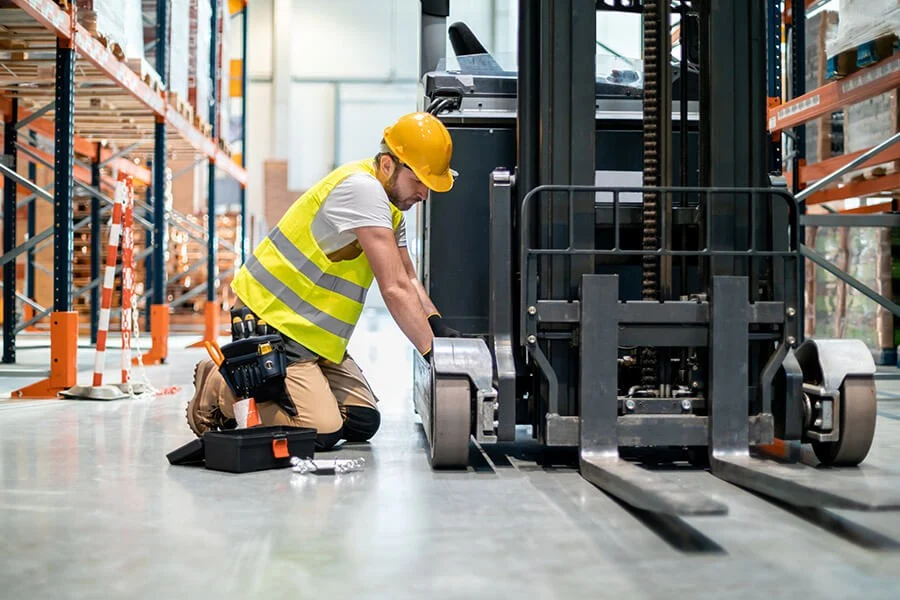
Forklifts are among the most important machines used in warehouses, manufacturing facilities, construction environments, and industrial operations. These powerful machines help businesses move heavy loads, organize inventory, transport materials, and maintain efficient workflows. However, like any mechanical equipment, forklifts experience wear over time due to continuous operation and demanding working conditions. Using high-quality forklift parts is essential for maintaining performance, improving safety, and preventing unexpected interruptions that can affect business productivity.
Every component of a forklift has a specific function that contributes to the overall operation of the machine. From lifting systems and hydraulic components to electrical systems and safety features, each part must work properly to ensure smooth performance. When a single component becomes damaged or worn, it can reduce efficiency and create potential safety concerns. Replacing faulty parts at the right time helps businesses maintain reliable equipment while extending the service life of their forklift fleet.
The Role of Quality Components in Forklift Performance
Forklifts are designed to handle heavy workloads, but frequent operation places stress on important mechanical systems. High-quality replacement components help restore equipment functionality and maintain the original performance capabilities of the machine. Whether a forklift requires a new battery, hydraulic component, tire, brake system, or electrical part, choosing reliable replacements ensures better durability and consistent operation.
Low-quality or incorrect components may result in repeated failures, increased repair costs, and reduced equipment efficiency. Professional businesses understand that investing in dependable parts is not only about fixing current problems but also about protecting valuable equipment investments for the future.Reliable forklift parts allow operators to complete tasks safely while reducing downtime caused by unexpected mechanical issues. This creates a more productive workplace where equipment performs effectively throughout daily operations.
Common Forklift Components That Need Regular Attention
Forklifts include many different systems that require inspection and maintenance throughout their operational life. Some components naturally experience more wear because they handle constant pressure, heavy loads, and frequent movement.
Forklift tires are one of the most important parts affecting stability and control. Damaged or worn tires can impact maneuverability and increase safety risks, especially when transporting heavy materials. Regular inspection and timely replacement help maintain traction and improve operator confidence.Hydraulic components are also critical because they control lifting and lowering functions. Hydraulic pumps, cylinders, seals, and hoses must remain in good condition to ensure smooth lifting performance. Any leaks or pressure problems should be addressed quickly to prevent larger equipment failures.Other essential components include mast parts, forks, chains, filters, batteries, chargers, brakes, steering systems, and electrical components. Maintaining these systems helps forklifts operate efficiently and safely in demanding work environments.
How Proper Maintenance Reduces Equipment Problems
Preventive maintenance is one of the most effective ways to protect forklift performance. Regular inspections allow technicians to identify early signs of damage before they develop into major repair issues. Maintenance teams can monitor equipment conditions, replace worn components, and ensure all systems continue functioning correctly.
Businesses that follow structured maintenance schedules experience fewer breakdowns and improved equipment reliability. Instead of waiting for a forklift to fail during important operations, preventive care allows companies to plan repairs at convenient times and avoid unnecessary disruptions.Using dependable forklift parts during maintenance procedures also improves the effectiveness of repairs. Quality replacements help restore equipment performance while reducing the possibility of repeated failures.
Supporting Different Industries with Reliable Forklift Solutions
Many industries depend on forklifts to maintain efficient daily operations. Warehouses use forklifts for loading shipments, arranging inventory, and managing storage areas. Manufacturing facilities rely on them for moving raw materials and finished products throughout production processes.
Construction companies use forklifts to transport heavy supplies, while distribution centers require dependable equipment to handle large volumes of goods. Agriculture, recycling facilities, transportation companies, and industrial plants also depend on forklifts to complete important material handling tasks.In these environments, equipment reliability directly affects productivity. A malfunctioning forklift can delay operations, increase labor costs, and create unnecessary challenges. Access to dependable replacement components helps businesses quickly restore equipment and continue their operations without major interruptions.
Selecting the Right Supplier for Forklift Components
Choosing the right supplier is an important part of maintaining forklift reliability. Businesses should work with providers that understand equipment requirements and offer components designed for different forklift models and applications.A trusted supplier should provide quality products, professional guidance, and dependable support when businesses need replacement solutions. Working with experienced providers such as Tri-Lift Industries helps organizations access reliable resources that support equipment maintenance and long-term performance.The right supplier relationship ensures businesses can quickly find suitable components, reduce repair delays, and maintain a productive workflow.
Improving Workplace Safety Through Proper Forklift Care
Safety is one of the biggest priorities in any workplace where forklifts are used. These machines handle heavy materials and operate in busy environments where equipment reliability is extremely important. Damaged or worn components can affect lifting ability, steering control, braking performance, and overall machine stability. Regular inspections and timely replacement of damaged parts help reduce risks and create safer working conditions.Operators should perform basic equipment checks before each shift to identify visible issues such as tire damage, fluid leaks, unusual noises, or malfunctioning safety features. These inspections, combined with professional maintenance, help detect problems before they become serious hazards.Using dependable forklift parts during repairs also ensures that replaced components meet performance expectations. Quality parts help maintain equipment stability, improve operational control, and support safer daily operations for both operators and nearby employees.
Reducing Operational Costs with Smart Maintenance
Equipment repairs can become expensive when maintenance is delayed or low-quality components are used. Businesses can control costs more effectively by creating preventive maintenance plans and replacing worn parts before major failures occur.A well-maintained forklift requires fewer emergency repairs and experiences less downtime. This allows companies to avoid unexpected expenses while keeping their operations running smoothly. Investing in reliable replacement components may seem like an additional cost initially, but it often provides long-term savings by reducing repeated repairs and extending equipment lifespan.Efficient maintenance planning also helps businesses manage budgets more effectively. By tracking equipment conditions and scheduling necessary repairs in advance, companies can avoid disruptions and maintain consistent productivity.
The Importance of Compatible Forklift Components
Every forklift model is designed with specific systems and specifications. Using components that properly match the equipment is essential for maintaining performance and preventing additional mechanical issues. Incorrect parts may create installation problems, reduce efficiency, or cause damage to other systems.Professional suppliers help businesses identify suitable components based on forklift type, operating conditions, and equipment requirements. Whether replacing hydraulic parts, electrical components, safety accessories, or engine-related items, selecting compatible solutions ensures better results.Quality and compatibility work together to maintain reliable forklift operation. Businesses that choose the right components benefit from improved equipment performance and fewer maintenance challenges.
Extending Forklift Lifespan Through Professional Support
Forklifts represent a significant investment for businesses, and proper care helps protect that investment over many years. Routine servicing, operator training, and the use of dependable components all contribute to longer equipment life.Professional support allows businesses to maintain forklifts according to manufacturer recommendations while addressing potential problems before they affect productivity. Experienced technicians can identify worn components, recommend suitable replacements, and complete repairs efficiently.Maintaining equipment properly also improves resale value and ensures forklifts remain valuable assets throughout their operational life. A well-maintained machine performs better, requires fewer repairs, and provides greater reliability for daily business activities.
Adapting to Modern Forklift Technology
The forklift industry continues to advance with new technologies focused on efficiency, automation, and sustainability. Electric forklifts, advanced battery systems, digital monitoring tools, and automated material handling solutions are becoming more common in modern facilities.These advancements require businesses to use specialized components and updated maintenance strategies. As equipment becomes more advanced, access to reliable replacement solutions becomes increasingly important for maintaining performance.Companies that stay prepared by using quality components and professional maintenance services can take advantage of new technologies while keeping their operations efficient and productive.
Building a Reliable Equipment Maintenance Strategy
A successful forklift maintenance strategy requires a combination of regular inspections, proper operator training, preventive servicing, and access to dependable replacement components. Businesses should develop clear maintenance schedules and ensure employees understand the importance of equipment care.Keeping records of repairs and inspections helps companies monitor equipment conditions and plan future maintenance needs. This organized approach reduces unexpected failures and improves overall fleet management.Partnering with experienced suppliers provides additional support by ensuring businesses have access to the right solutions whenever repairs are needed. Reliable service relationships help companies maintain equipment performance while reducing operational challenges.
Conclusion
Forklift parts are essential for maintaining the safety, efficiency, and reliability of material handling operations. Every component, from hydraulic systems and tires to electrical parts and lifting mechanisms, plays an important role in ensuring forklifts perform effectively in demanding environments.Regular maintenance, proper inspections, and the use of high-quality replacement components help businesses reduce downtime, control costs, and extend equipment lifespan. Choosing trusted support from experienced providers such as tri-lift industries allows organizations to maintain dependable forklift performance and keep their operations running efficiently.As warehouses, manufacturing facilities, and industrial businesses continue to depend on forklifts for daily tasks, investing in reliable components remains a key part of achieving safer, more productive, and successful operations.
