


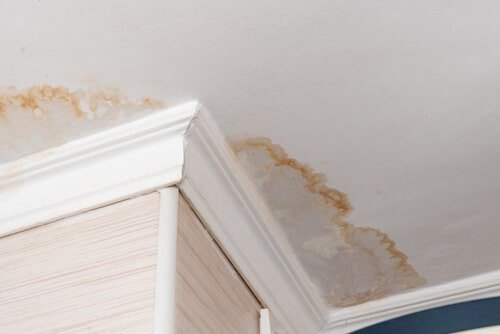
When water reaches drywall, subfloors, and insulation, the first few hours matter. Decisions made while the floor is still wet can determine whether you achieve a controlled and efficient drying process or face weeks of secondary damage. Homeowners and property managers do not need a truck full of equipment to make sensible decisions, but they do need to avoid common mistakes. The goal is simple: remove liquid water, control humidity, and ensure moisture isn’t trapped behind baseboards, cabinets, or vapor barriers. Always start with safety by shutting off the water supply, addressing electrical hazards at the breaker when safe to do so, and treating unknown or discolored water as potentially contaminated.
-
Waiting for Surfaces to Air Dry Instead of Removing Liquid Water
Standing water in carpet, on plank flooring, or pooled inside a crawlspace can continue feeding nearby materials through capillary action. Drywall can absorb moisture from the floor through its bottom edge, wetting the paper surface and the sill plate behind the baseboards. The longer liquid remains, the deeper it can migrate into carpet padding, OSB subflooring, and wall cavities. Active extraction with a wet and dry vacuum, squeegee, or suitable pump can remove a large amount of moisture quickly when conditions are safe. Even simple steps such as lifting furniture onto blocks and removing saturated materials where appropriate can reduce moisture migration and speed structural drying.
After extraction, moisture may remain inside wall cavities and flooring seams, requiring controlled airflow and dehumidification. This is where many people stop too early, assuming surfaces that feel dry are actually dry. A basic pin-type moisture meter may reveal damp base plates and lower sections of drywall hours after the floor appears dry. If the source involved a dishwasher supply line, toilet overflow, or another plumbing problem, determining whether the water was clean or contaminated can guide the next steps. When the extent of damage is unclear or hidden areas may be affected, professional assessment and water damage services from Sarkinen Restoration can help determine which materials may be dried in place and which may need to be removed.
-
Blasting Fans or Running HVAC Without Controlling Humidity
Moving air across wet surfaces can help evaporation, but it also releases moisture into the surrounding air. Without a dehumidifier or another effective way to remove that moisture, indoor relative humidity can rise above comfortable levels, slowing the drying process and causing condensation on cooler surfaces such as windows, HVAC supply boots, and metal framing components. Persistent moisture can contribute to corrosion and microbial growth. A controlled drying environment that combines appropriate airflow with dehumidification is usually more effective than simply opening windows and running fans. A hygrometer can help monitor indoor humidity so you can see whether conditions are actually improving.
Outdoor conditions matter as well. Opening doors and windows may help on a dry day, but during rainy or humid weather it can bring even more moisture indoors. Avoid operating central HVAC equipment if contaminated water has affected the return or duct system h, because doing so may spread odors or contaminants throughout the building. Use appropriately protected electrical outlets for portable equipment near damp areas, and keep extension cords and power strips away from wet surfaces. If sewage or heavily contaminated water is present, avoid using ordinary household fans in the affected area because moving contaminated droplets and particles through the air can increase exposure.
-
Using Bleach on Porous Materials or Trying to Save Unsalvageable Floors
Bleach is often applied to wet drywall or carpet to disinfect or remove odors, but it is not appropriate for every material or water-damage situation. Porous construction materials can retain contamination beneath the surface where simple surface treatment may not reach. Bleach can also discolor or damage certain materials. When water is significantly contaminated, porous materials such as carpet padding, insulation, or fiberboard trim may need to be removed rather than cleaned in place. Hard, nonporous surfaces can often be cleaned with products and methods suited to the type of contamination involved.
Flooring decisions also involve tradeoffs. Laminate and some engineered flooring products can swell, separate, or distort after prolonged saturation, making replacement more practical than attempting to dry them in place. Solid hardwood can sometimes be retained when moisture is identified early a, nd drying is carefully controlled. Drying too quickly, however, can create additional movement or distortion. Compare moisture readings with those from nearby unaffected materials before sanding or refinishing begins. Vinyl plank flooring can create another challenge because water may remain trapped underneath even when the top surface appears dry. Whether you should partially remove the flooring depends on the product and installation method, so avoid forcing apart a system that requires proper removal.
-
could damage. Ignoring Hidden Voids and Adjacent Spaces Where Moisture Lingers
Water rarely stays within the boundaries of a single room. A refrigerator supply line leak can travel beneath cabinet bases, move behind trim, wick into drywall, and collect along sill plates. Areas behind toe kicks, beneath sinks, and inside wall cavities may remain damp after exposed surfaces appear dry. Rather than opening walls without a clear plan, use moisture readings and visible clues to determine where hidden dampness may be present. Professional moisture mapping, thermal imaging, and targeted inspection can help locate affected areas while reducing unnecessary demolition.
Do not overlook crawlspaces or areas beneath the main floor. A washing machine overflow can send water through floor openings, around ducts, or into insulation below. In crawlspaces with a plastic vapor barrier, water may collect on top of the liner and remain hidden while raising humidity. Look for sagging insulation, damp structural wood, and visible standing water from a safe access point. Proper water removal, dehumidification, and controlled airflow can reduce the risk of fungal growth, persistent odors, and moisture-related damage spreading back into occupied areas.
-
Tearing Out Too Soon and Neglecting Documentation
Immediate demolition can feel productive, but removing materials before documenting the damage may complicate an claim. Photograph visible water lines, swollen baseboards, buckled flooring, wet insulation, and other affected materials before removal. Keep a simple record of moisture readings by location when possible. Retain receipts for equipment rental, disposal, temporary repairs, and cleaning supplies i. Ifou must remove cabinets, built-in features, tile, or flooring, photograph the wet materials underneath and the suspected source of the leak before disposal.
Demolition may also involve safety and regulatory concerns. Older buildings may contain materials that require testing before you disturb them. Depending on the age of the structure and local requirements, lead-based paint or asbestos-containing materials may need evaluation by qualified professionals. Consult applicable regulations and requirements before beginning significant demolition. Appropriate containment and HEPA filtration may also be needed when disturbing damaged materials.
After removing affected materials, continue drying until framing and subfloor moisture levels return to an appropriate range compared with unaffected areas. Installing new finishes over damp materials can trap moisture and create future problems.
Take a Controlled Approach During the First 48 Hours
The first 48 hours after a leak are about moisture control, safety, and sound judgment, not brute force. Remove standing water where it is safe to do so, identify areas where moisture may be trapped, and combine airflow with dehumidification instead of simply moving humid air around. Decide what can be dried and what may need to be discarded based on material type, contamination level, and actual moisture readings, not assumptions.
Document conditions carefully before removing materials, and seek professional assistance when water has entered hidden cavities, contaminated porous materials, electrical areas, or large sections of the building. With measured steps and consistent monitoring, you can reduce secondary damage, shorten the restoration process, and restore the indoor environment more predictably after an unexpected leak.
