


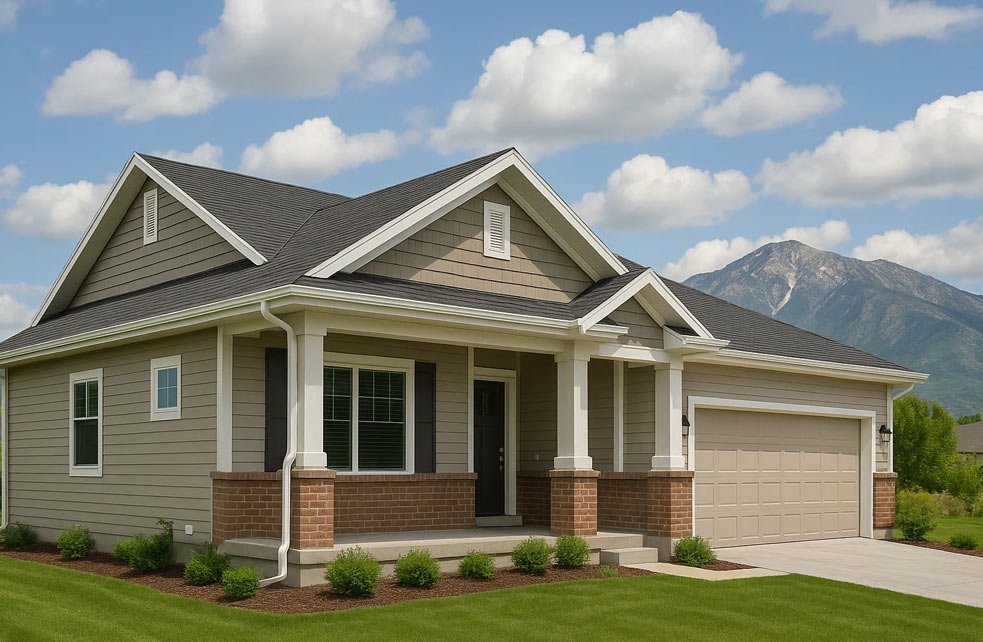
Siding is an important part of a property’s exterior because it provides both practical protection and visual character. While many people primarily consider siding as an aesthetic feature, its role extends much further because it helps protect exterior walls from rain, wind, sunlight, moisture, temperature changes, and everyday environmental exposure. A properly installed and maintained exterior can help reduce the impact of weather on the underlying structure while creating a cleaner and more finished appearance. Over time, however, siding can experience fading, cracking, warping, moisture damage, loose sections, or general deterioration. These problems may affect both appearance and performance if they are not addressed appropriately. Professional siding services can help property owners evaluate existing materials, identify areas of concern, determine whether repairs or replacement are appropriate, and select materials that support long-term durability. When siding is installed correctly and maintained consistently, it can contribute to better exterior protection, improved curb appeal, easier maintenance, and greater confidence in the overall condition of the property.
Understanding the Purpose of Exterior Siding
The primary purpose of siding is to create a protective exterior layer around the walls of a property. Exterior walls can be exposed to rain, snow, wind, sunlight, humidity, dust, and changing temperatures throughout the year. Siding helps create a barrier that reduces direct exposure to these conditions and can work together with other building components to manage moisture. When the siding system is properly installed, water can be directed away from vulnerable areas instead of being allowed to penetrate the wall assembly. Siding also contributes significantly to the visual appearance of a building. The material, color, texture, and installation pattern can influence the overall character of the property. A worn or damaged exterior can make a building appear older than it actually is, while clean and well-maintained siding can create a more polished appearance. However, appearance should not be the only factor considered when evaluating siding. Durability, moisture resistance, maintenance requirements, installation quality, and compatibility with the existing structure are equally important when selecting or replacing exterior materials.
Signs That Siding May Need Attention
Siding does not always fail suddenly. In many cases, deterioration develops gradually and becomes noticeable through small changes in appearance or performance. Property owners should watch for cracked panels, warped sections, loose materials, gaps between pieces, peeling finishes, discoloration, or areas that appear swollen. These signs may indicate that the siding has been exposed to moisture, impact, temperature changes, or other conditions that have affected its performance. Moisture-related problems deserve particular attention because damaged siding may allow water to reach the materials behind it. If moisture becomes trapped within wall assemblies, it can contribute to deterioration of sheathing, insulation, framing, or other components. Some forms of damage may remain hidden until they become more extensive. A professional evaluation can help determine whether visible siding damage is isolated or whether there are underlying concerns that require additional investigation.
The Importance of Professional Siding Inspection
A professional siding inspection can provide valuable information about the condition of the exterior. During an evaluation, professionals may examine the siding surface, seams, corners, trim, flashing, penetrations, and areas around windows and doors. These locations can be particularly important because gaps or improperly sealed transitions may provide pathways for water intrusion. An inspection can also help determine whether the existing siding is suitable for continued use. Minor damage may be repairable, while extensive deterioration may make replacement a more practical option. Understanding the difference is important because unnecessary replacement can increase project costs, while continuing to repair severely deteriorated siding may provide only temporary results. A professional assessment allows property owners to make decisions based on the actual condition of the exterior.
Different Types of Siding Materials
There are several siding materials available, and each option has different characteristics. Vinyl siding is widely used because it offers a practical combination of affordability, low maintenance, and style variety. Fiber cement siding is another option that can provide durability and a distinctive appearance. Composite materials may offer additional design flexibility, while other siding products can be selected based on specific architectural or performance requirements.The right material depends on the property, climate exposure, maintenance preferences, design goals, and budget. Property owners should consider more than how a material looks when choosing siding. Expected lifespan, resistance to moisture, impact performance, maintenance requirements, installation methods, and compatibility with existing exterior components should all be evaluated. Professional guidance can make it easier to compare these factors and select a material that provides appropriate long-term value.
Vinyl Siding and Practical Exterior Protection
Vinyl siding remains a popular choice because it can provide a clean appearance while requiring relatively limited routine maintenance. It is available in numerous profiles, textures, and colors, allowing property owners to create different exterior styles. Properly installed vinyl siding can help protect exterior walls from normal weather exposure while providing a durable finish.Although vinyl siding is designed for outdoor use, it can still become damaged by strong impacts, severe weather, improper installation, or age. Cracked or loose panels should be evaluated because damaged sections may affect the overall performance of the exterior. Professional installation is especially important because siding must be allowed to expand and contract with temperature changes. Correct fastening and spacing can help reduce unnecessary stress on the material and support a more durable finished installation.
Fiber Cement Siding Benefits
Fiber cement siding is often selected for its durability and ability to provide a traditional or modern exterior appearance. It can be manufactured in different textures and profiles, allowing it to complement a wide range of architectural designs. When properly installed and maintained, fiber cement siding can provide long-term exterior protection and visual appeal.Installation requires careful attention because the material is different from lighter siding products and may require specific cutting, fastening, sealing, and finishing methods. Proper installation around windows, doors, corners, and other transitions is particularly important for moisture management. Professional workmanship helps ensure that the siding system is installed correctly and that vulnerable areas receive appropriate protection.
Moisture Management Behind Siding
One of the most important considerations when installing or replacing siding is managing moisture. Siding itself is not always the only barrier protecting the wall assembly. Weather-resistant barriers, flashing, sealants, and other components can work together with the siding to control water movement. If these layers are improperly installed or damaged, moisture may reach the underlying structure.Windows, doors, corners, roof-to-wall transitions, and utility penetrations require careful attention because they can create opportunities for water entry. Professional siding installation includes consideration of these areas rather than treating the large flat wall surfaces as the entire project. Proper moisture management can help protect the building’s structural components and reduce the possibility of hidden deterioration.
Siding and Energy Efficiency
Siding can also play a role in the overall performance of the building envelope. While siding itself may not provide all of the insulation required for energy efficiency, it works as part of a larger exterior system that can include insulation, weather barriers, sheathing, and air sealing. Gaps or damaged sections may affect the effectiveness of the exterior assembly.When replacing siding, property owners have an opportunity to evaluate insulation and other components behind the existing material. Addressing deficiencies during the project can improve the overall performance of the wall assembly. Professional contractors can help determine whether additional insulation, weather-resistant barriers, or other improvements should be considered as part of the siding project.
Protecting Exterior Walls From Weather
Exterior walls are exposed to environmental conditions throughout the year, making reliable siding an important part of property protection. Rain can repeatedly contact the exterior, while wind can carry moisture and debris toward vulnerable areas. Sunlight can cause some materials and finishes to fade over time, and temperature changes can cause materials to expand and contract.A properly installed siding system helps manage these conditions and creates a more durable exterior surface. Regular maintenance can also help preserve performance. Property owners should monitor the siding for changes after severe weather and address damaged areas promptly. Early attention can reduce the possibility of moisture reaching the materials behind the siding.
Siding Installation and Preparation
Successful siding installation begins with proper preparation. Before new siding is installed, existing materials may need to be removed so the underlying wall surface can be evaluated. Damaged sheathing, moisture problems, deteriorated trim, or other structural concerns should be addressed before the new exterior material is applied.The surface should be properly prepared to provide a suitable foundation for the new siding. Weather-resistant barriers, flashing, trim, and other components should be installed as required by the chosen siding system. Careful preparation can help prevent problems that might otherwise remain hidden behind newly installed materials. A professional installation process focuses on creating a complete exterior system rather than simply attaching new panels to the building.
Proper Installation Around Windows and Doors
Windows and doors are among the most important areas to consider during siding installation because they create transitions between the wall and other building components. Poorly sealed or improperly flashed openings can allow water to enter behind the siding. Once moisture enters these areas, it may affect framing, insulation, or interior finishes.Professional siding installation pays careful attention to trim, flashing, sealants, and transitions around openings. The goal is to create a coordinated system that directs water away from vulnerable areas. Correct installation around windows and doors can significantly improve the moisture resistance of the exterior and help reduce the possibility of recurring water intrusion.
Siding Repair Versus Replacement
Not every siding problem requires a complete replacement. If damage is limited to a few sections and the surrounding material remains in good condition, localized repairs may be appropriate. Repairing damaged panels, replacing deteriorated trim, or correcting small installation issues can restore the appearance and function of the affected area.Replacement becomes more practical when deterioration is widespread or when the existing siding has reached the later stages of its service life. Extensive cracking, warping, moisture damage, fading, or repeated repairs may indicate that a complete project would provide better long-term value. A professional evaluation can help property owners determine which approach makes sense based on the condition of the entire exterior.
Siding and Curb Appeal
Exterior appearance is an important part of property ownership, and siding can have a significant influence on curb appeal. The siding material covers a large portion of the visible exterior, so its condition can strongly affect how the entire property looks. Faded, damaged, mismatched, or poorly maintained siding can make a building appear neglected.New or properly maintained siding can create a cleaner, more cohesive appearance. Property owners can choose from different colors, profiles, textures, and finishes to complement architectural features. However, aesthetic improvements should always be balanced with practical considerations. A visually attractive siding material is most valuable when it also provides the durability, maintenance characteristics, and moisture protection the property requires.
Siding and Property Value
Well-maintained exterior siding can contribute to the overall condition and perceived value of a property. Potential buyers often pay attention to visible exterior components because they can provide clues about the level of maintenance a building has received. Damaged siding may raise concerns about moisture, hidden deterioration, or future repair expenses.Replacing severely deteriorated siding can improve both appearance and exterior protection. It can also provide an opportunity to correct underlying problems and upgrade materials. Maintaining the siding throughout its service life can similarly help preserve the exterior and reduce the likelihood of extensive deterioration.
Importance of Proper Flashing
Flashing is an important part of an exterior wall system because it helps direct water away from vulnerable transitions. It may be used around windows, doors, roof intersections, corners, and other areas where different materials meet. Without proper flashing, water may find pathways behind the siding and into the wall assembly.During siding installation, flashing should be integrated correctly with surrounding materials. Existing flashing should also be evaluated when replacing old siding because deterioration or improper previous installation may affect the new exterior. Attention to flashing helps create a more complete moisture-management system and can reduce the risk of hidden water damage.
Siding Maintenance Requirements
Different siding materials require different levels of maintenance, but all exterior systems benefit from periodic inspection. Property owners should look for cracks, loose sections, gaps, discoloration, warping, or signs of moisture. Keeping the exterior clean can also help identify changes that might otherwise be hidden by dirt or debris.Vegetation should be managed so that branches and plants do not remain in constant contact with siding. Gutters and downspouts should also function correctly because overflowing water can repeatedly expose siding to unnecessary moisture. Routine maintenance may not prevent every problem, but it can help extend the service life of the exterior and allow developing concerns to be addressed earlier.
Siding and Roofing Coordination
The relationship between siding and roofing is important because the two systems meet at several points around a property. Roof runoff must be directed away from exterior walls, while flashing at roof-to-wall transitions helps prevent water from entering vulnerable areas. If gutters are damaged or roof drainage is poor, siding may experience excessive moisture exposure.During exterior improvement projects, it can be beneficial to consider the condition of both systems. Addressing drainage, flashing, and transition areas can help ensure that new siding is not installed over unresolved moisture problems. A coordinated approach can improve the performance of the entire exterior envelope.
Preparing for Severe Weather
Severe weather can place significant stress on siding. Strong winds may loosen panels, hail can create impact damage, and flying debris may crack or puncture exterior materials. Heavy rain can expose weaknesses around seams, openings, and transitions.After severe weather, property owners should inspect the exterior for visible changes. Loose panels, cracks, damaged trim, or missing sections should be professionally evaluated when necessary. Prompt repairs can help prevent damaged siding from allowing additional moisture behind the exterior surface.
Choosing Qualified Siding Professionals
The quality of siding installation has a major influence on the performance and appearance of the finished exterior. Property owners should consider a contractor’s experience with the selected siding material, installation methods, attention to moisture management, and ability to explain the proposed work clearly.A reliable professional should evaluate the existing exterior before recommending replacement. They should identify potential moisture problems, damaged wall components, or areas requiring additional preparation. Clear communication about materials, installation procedures, maintenance requirements, and project expectations can help property owners make informed decisions.
The Importance of Quality Workmanship
Siding materials depend heavily on correct installation. Even durable products can experience premature problems when they are improperly fastened, incorrectly aligned, or installed without appropriate allowances for expansion and contraction. Poorly completed transitions around windows, doors, corners, and roof intersections can also create opportunities for water intrusion.Quality workmanship focuses on these details throughout the installation. Proper spacing, fastening, alignment, flashing, trim, and sealing all contribute to a stronger exterior system. A professional approach helps ensure that the finished siding performs as intended while also creating a clean and consistent appearance.
Planning a Long-Term Exterior Improvement
Siding replacement or installation should be considered a long-term investment rather than simply a cosmetic project. Property owners should evaluate the condition of the existing exterior, determine what problems need to be corrected, and select materials based on durability, maintenance, appearance, and budget. Proper planning can help prevent unexpected issues during installation and improve the overall result.A comprehensive project may also provide an opportunity to inspect insulation, weather barriers, flashing, trim, and other components behind the existing siding. Addressing these areas while the exterior is accessible can improve the overall performance of the building envelope. Professional planning helps ensure that the new siding is supported by a sound and properly prepared wall system.
Conclusion
Siding plays an important role in protecting exterior walls while also influencing the appearance and long-term condition of a property. A properly installed siding system can help manage weather exposure, reduce moisture risks, improve curb appeal, and support the overall performance of the building envelope. Regular inspections and maintenance can help identify cracks, loose sections, warping, discoloration, and other concerns before they become more serious. When deterioration becomes extensive, professional replacement can provide an opportunity to install modern materials while also addressing underlying issues involving flashing, insulation, moisture management, and wall preparation.
Choosing the right material and professional installation approach is essential for achieving lasting results. Property owners should consider durability, maintenance, appearance, moisture protection, energy performance, and long-term value when evaluating siding options. Quality workmanship is equally important because proper fastening, alignment, flashing, sealing, and preparation can significantly influence how well the exterior performs over time. By treating siding as an important part of the complete building envelope rather than simply a decorative surface, property owners can make better decisions that protect their investment, improve exterior appearance, and support dependable performance for many years.
