


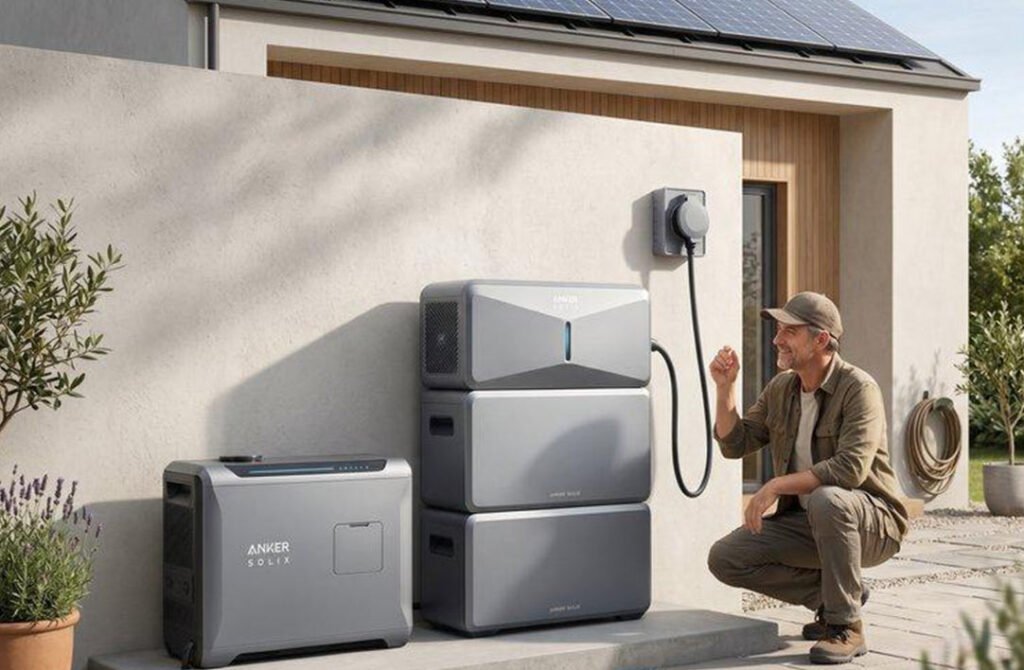
A reliable home backup power plan works best when you divide it into two clear layers. The first layer covers the loads you must keep running the moment utility power fails. The second layer adds more capacity, longer runtime, and practical ways to recharge during an extended outage. This approach helps you avoid overspending on a one-size-fits-all setup while still protecting comfort, safety, and food storage. By matching backup equipment to real household needs, you can build a system that responds quickly, scales sensibly, and supports your home through both short interruptions and longer blackouts.
Define the Two Layers of Home Backup Power
Layer One Keeps Critical Loads Running Immediately
Layer one is your fast-response backup. Its job is to keep the most important circuits and devices powered as soon as the grid goes down. That usually includes refrigeration, internet equipment, phones, lighting in key rooms, medical devices, and a few outlets for charging and communication. This layer should be simple, dependable, and ready without complicated setup. Think of it as the foundation of your emergency power plan: smaller in scope, but essential in impact. When designed well, layer one prevents immediate disruption and buys you time to manage the rest of the outage calmly and safely.
Layer Two Covers Longer and Higher Energy Needs
Layer two expands your backup strategy beyond bare essentials. It supports larger loads, longer runtimes, and added convenience when an outage lasts many hours or several days. This can include more lighting, additional refrigeration, fans, a home office, kitchen appliances, well pumps, or selected HVAC support. Some homeowners also consider portable generators for home backup when they need another way to extend power availability during longer outages. The goal is not to power everything without limits, but to restore a more functional version of daily life. Layer two also addresses energy replenishment, so stored power does not simply run out. With the right design, it turns a short-term emergency setup into a more resilient home energy plan.
Match Each Layer to Your Household Loads
List Essential and High-Priority Appliances
Start by separating your household loads into two groups: essential and high-priority. Essential loads belong in layer one because they protect health, safety, communication, and food preservation. High-priority loads fit layer two because they improve comfort and usability during a longer outage. Write down every appliance or circuit you may want to back up, then assign each one a clear category. A refrigerator, modem, medical device, and basic lights usually rank as essential. Microwave use, extra outlets, fans, laundry equipment, or partial heating and cooling often fall into the second tier of your backup plan.
Account for Running and Startup Power
Next, calculate how much power each load needs while running and how much it needs to start. Many appliances, especially refrigerators, pumps, and motors, draw a temporary surge that is much higher than their normal operating wattage. Your backup system must handle both numbers, not just the lower running load. Check appliance labels, manuals, or circuit data to estimate these demands accurately. Add the running watts of items you expect to use at the same time, then confirm your system can absorb the highest startup events. This step prevents overloads and keeps critical equipment operating reliably.
Set a Runtime Goal for Each Backup Layer
Set a clear runtime target for each layer before you choose equipment. Layer one should usually cover the first several hours of an outage with little or no intervention, giving you immediate continuity for essentials. Layer two should be sized for the kind of outages your area actually experiences, whether that means overnight support or several days with recharging. Think in watt-hours, not just watts, because runtime depends on energy storage as much as output. A practical target helps you size batteries correctly, avoid guesswork, and decide how much expansion or renewable input your backup plan should include.

Make Both Backup Layers Work Together
Add Capacity and Recharging for Extended Outages
A strong two-layer plan connects short-term backup with long-duration resilience. After sizing your essential loads, add storage and recharging options that can sustain layer two through multi-day outages. The Anker SOLIX E10 supports battery, solar, and smart-generator integration and offers expandable storage from 6–90 kWh. That kind of flexibility helps homeowners start with immediate backup needs, then scale capacity as outage risk, load requirements, or budget changes. Solar input can reduce fuel dependence during daylight hours, while smart-generator support adds another replenishment path when weather or seasonal conditions limit renewable charging and battery-only operation.
Plan Safe Switching Between Backup Sources
Your two backup layers should work together safely, not through improvised extension cords and manual guesswork. Plan how power will switch from the grid to backup sources and, when needed, between battery, solar, and generator support. Use properly installed transfer equipment and dedicate circuits according to your layer-one and layer-two priorities. This prevents backfeeding, protects utility workers, and reduces the risk of overloaded circuits. Label backed-up loads clearly so everyone in the home understands what stays on and what should remain off. A clean switching plan makes your system safer, faster, and easier to manage.
Conclusion
Building a two-layer home backup power plan starts with a simple idea: protect essential loads first, then expand for longer outages and higher energy demand. Layer one gives you immediate continuity for safety, food storage, lighting, and communication. Layer two adds comfort, capacity, and recharging so your home can function longer without unnecessary stress. When you map real appliances, account for startup loads, set runtime goals, and plan safe switching, your backup system becomes practical instead of oversized or incomplete. A layered approach gives you a clearer buying path, better resilience, and a home power strategy built for real-world outages.
