


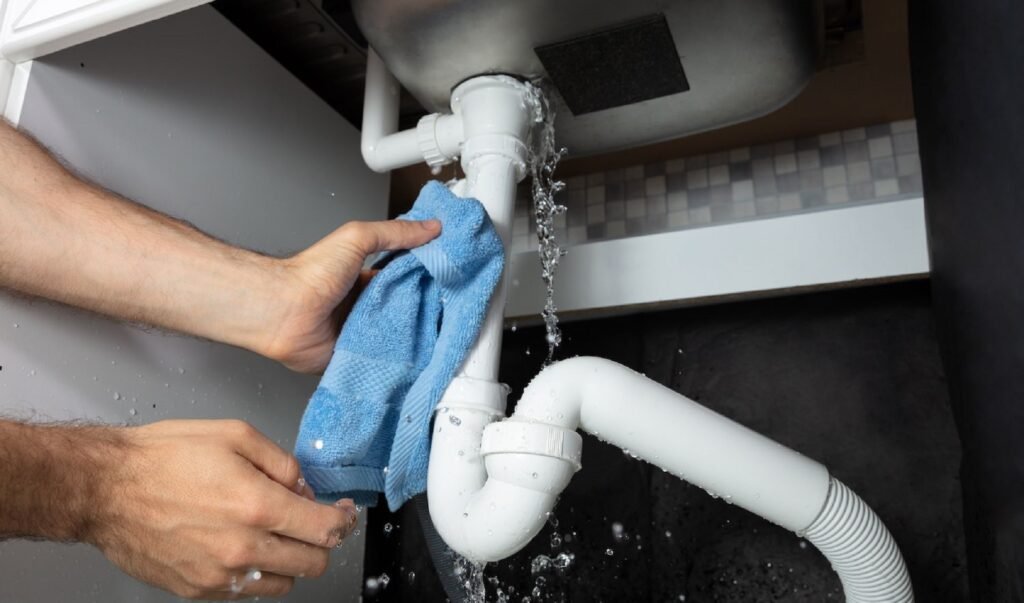
Few household problems cause more stress than a sudden plumbing emergency. A burst pipe, a failed water heater, or a sewer backup can damage finishes, disrupt daily life, and lead to costly repairs. The good news is that most urgent plumbing issues give early warning signs, and a steady routine of simple checks can dramatically reduce your risk. Here is a practical, homeowner-friendly guide to preventing the most common plumbing emergencies, with tips that apply whether you live in a newer build or an older home with vintage plumbing.
Start by building a quick-reference plan for your household. Make sure every adult knows where and how to shut off the main water valve, and label fixture shutoff valves under sinks and behind toilets. Keep a basic kit on hand: a cup plunger for sinks, a flange plunger for toilets, a small adjustable wrench, plumber’s tape, a bucket, and towels. If you don’t already have a go-to professional, it’s wise to identify a Trusted plumber in Philadelphia before you need one so you’re not scrambling during an after-hours leak or backup.
Spot Small Problems Before They Become Big Ones
Many water emergencies start with slow, manageable issues. Periodically check under sinks and around toilets for moisture, discoloration, or soft drywall. These are early indicators of seepage from supply lines, trap connections, or wax rings. Replace brittle or bulging braided supply hoses on faucets, toilets, and washing machines; these hoses are inexpensive and tend to fail under pressure. Listen for constant running sounds from toilets; a worn flapper or fill valve wastes water and can overflow if a secondary issue arises.
Monitor your water pressure, especially in older neighborhoods with aging mains. Excessive pressure (often above 80 psi) stresses joints, appliances, and hoses. A simple pressure gauge attached to an outdoor spigot can reveal problems; if readings are consistently high, ask a professional about installing or adjusting a pressure-reducing valve. If your home uses a water filtration or softening system, follow recommended cartridge or media replacement schedules to prevent flow restrictions and undue strain.
Prevent Clogs With Smart Habits
Clogs rarely form all at once; they build over time. In kitchens, avoid pouring grease down the drain. Collect cooled fats in a container and dispose of them in the trash. Use a sink strainer to catch food particles. In bathrooms, install hair catchers in shower and tub drains and clean them regularly. Remind family members that only toilet paper should go down the toilet; floss, wipes (even “flushable” ones), cotton swabs, and hygiene products should be discarded in the trash.
At the first sign of a slow drain, try a cup plunger or a hand-crank drain auger. Enzyme-based drain cleaners can help maintain flow when used as a preventive measure, but avoid caustic chemical drain cleaners. These harsh products can damage older pipes and trap assemblies, especially if the clog turns out to be deeper in the line. If multiple fixtures are backing up at once, that can indicate a main-line issue best evaluated by a professional with proper equipment.
Cold-Weather Safeguards and Seasonal Checks
Freeze-thaw cycles can wreak havoc on plumbing. Before winter, disconnect hoses, drain and shut off outdoor spigots (use the indoor shutoff for frost-proof hydrants if present), and insulate exposed pipes in unheated spaces like garages, crawl spaces, and basements. In sustained cold snaps, allow a gentle trickle of warm water to flow through vulnerable lines to reduce the risk of freezing. Know the signs of a frozen pipe: reduced or no flow in a fixture, or visible frost on lines, and act quickly by shutting off water to the affected branch and warming the area slowly with safe heat sources.
Seasonal maintenance pays off year-round. Test your sump pump by pouring water into the pit to ensure it activates and discharges properly; consider a battery backup in areas prone to power outages. Flush your water heater annually to remove sediment that can cause overheating, noise, or premature failure. If you notice rusty water or inconsistent hot water, have a professional assess the anode rod and overall condition. For homes with large trees or older clay or cast-iron sewer lines, periodic camera inspections can catch root intrusion before it becomes a sewage backup.
What to DIY and When to Call a Pro
Some fixes are safe for confident DIYers: replacing faucet aerators, swapping out worn toilet flappers, tightening a loose P-trap slip nut, or installing new braided supply lines. Always turn off water to the fixture first and use plumber’s tape on threaded connections. If you’re dealing with gas water heaters, complex valves, persistent leaks inside walls, recurring clogs, or anything involving the main sewer or water service, it’s smart to bring in a licensed professional who can diagnose with the right tools and pull permits when needed.
Choosing professional help is about more than price. Ask about licensing and insurance, whether estimates are written, how after-hours calls are handled, and what warranties apply to parts and labor. For larger jobs like replacing a water heater, updating aging galvanized piping, or addressing sewer issues, request a detailed scope of work and discuss potential contingencies the technician might encounter once walls or lines are opened.
Create a Simple Preventive Maintenance Calendar
Break plumbing care into monthly, quarterly, and annual tasks to keep it manageable. Monthly: scan under sinks and around toilets, run water in little-used fixtures to keep traps wet, and listen for unusual sounds from the water heater. Quarterly: clean faucet aerators and showerheads, test all shutoff valves to keep them operable, and clear debris from outdoor drains. Annually: flush the water heater, service sump pumps, inspect washing-machine hoses, and have a qualified professional evaluate older homes for hidden risks such as corroded supply lines or deteriorated vent stacks.
Document what you find and when you address it. Photos and notes help track changes over time and can be invaluable if you need to file an insurance claim after a leak. Keep appliance manuals and warranty information together, and store the contact details for your preferred plumbing professional in both your phone and a visible household spot so anyone can access it quickly in an emergency.
Plumbing emergencies are disruptive, but they’re not inevitable. With a few preventive habits, seasonal safeguards, and a clear plan for who to call and what to do, you can dramatically reduce the chances of a major leak, clog, or equipment failure. Start small: label your shutoff valves, replace aging supply lines, and schedule that overdue water heater flush. The combination of attentive maintenance and timely professional help will keep your home’s plumbing reliable and your days a lot less stressful.
