


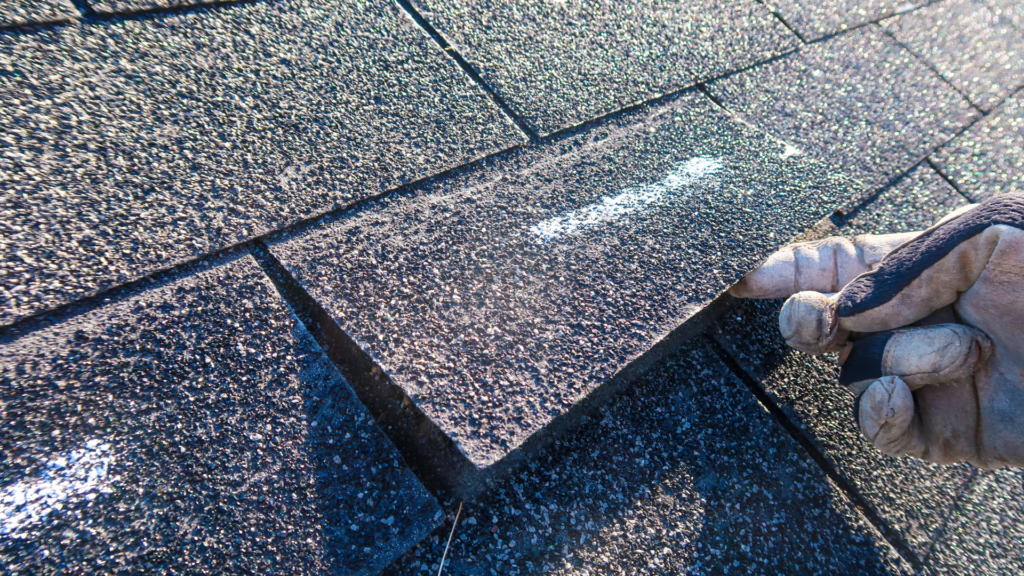
Small roof problems rarely stay small. A missing shingle, a lifted flashing, or a clogged gutter can quickly lead to water where it doesn’t belong: soffits, wall cavities, insulation, and ceilings. By learning what to look for and creating a simple routine to check your roof from the ground and inside your home, you can catch trouble early and avoid major repairs. This guide explains practical signs of early roof damage, what you can safely do yourself, and when to call a professional.
Not every issue requires immediate emergency work, but ignoring early warning signs can lead to mold, wood rot, and energy loss. If you discover problems you’re not comfortable handling, many homeowners turn to providers offering roof repair services by Peak Quality Roofing to diagnose and fix underlying causes. Whether you hire help or handle small tasks yourself, the key is to act before water intrusion escalates.
Why Early Detection Matters More Than You Think
Roofing systems are a layered defense. Shingles or panels shed most water, underlayment backs them up, and flashing seals joints around penetrations such as chimneys, vents, and skylights. When any layer fails, moisture can travel in surprising directions along rafters and framing before showing up as a ceiling stain. That delay makes leaks tricky to trace and more expensive to fix, because hidden components may already be compromised by the time damage is visible indoors.
Early detection also preserves warranties and extends the life of your roof. Manufacturers typically require proper maintenance, including keeping debris off the surface and ensuring adequate ventilation. Addressing minor defects and maintaining airflow helps your roofing materials perform as intended through hot summers, cold snaps, and severe storms.
What You Can Safely Inspect from the Ground and Indoors
Most homeowners can perform a basic check without climbing onto the roof. Start by walking the perimeter and looking up. Scan for missing, curled, or cracked shingles; misaligned or slipping tiles; bent or rusted metal panels; and accumulated debris in valleys. Pay attention to flashing lines around chimneys and vent stacks if you see gaps, wrinkles, or staining, water may be getting in. Use binoculars for detail rather than stepping onto a slick or steep surface.
Next, look at your gutters and downspouts. Overflow streaks, peeling paint on fascia boards, or vegetation sprouting from gutters signal clogs. In shingle systems, check for a heavy buildup of granules at downspout outlets; excessive shedding can indicate accelerated wear. Inside the home, visit the attic on a sunny day. Turn off the lights and look for pinpoints of daylight, damp insulation, darkened wood, rust on metal fasteners, or a musty smell. After a rain, inspect ceilings and upper walls for new stains or subtle bulges that suggest moisture behind paint.
Material-Specific Red Flags Worth Noticing
Different roofing materials age and fail in different ways. For asphalt shingles, look for curled edges, cupping, cracks, and bare spots where granules have worn away. These signs point to brittleness and reduced UV protection. On wood shakes or shingles, splitting, cupping, and moss growth are concerns; moss can trap moisture and accelerate decay. Clay and concrete tiles may crack or shift, especially after impact or freeze-thaw cycles, leaving underlayment exposed and vulnerable to wind-driven rain.
Metal roofs often advertise longevity, but they still require attention. Watch for loose fasteners, lifted seams, and failing sealant at panel joints and penetrations. Discoloration or chalking can be cosmetic, but active rust near fasteners or seams signals that protective coatings have been compromised. For flat or low-slope roofs with membranes (like modified bitumen, TPO, or EPDM), ponding water that lingers more than 48 hours, blistering, or open seams should be addressed quickly to prevent infiltration.
Weather Events That Deserve a Closer Look
After severe weather, inspect as soon as it’s safe. High winds can lift shingles, break tile corners, and loosen flashing damage that may not be obvious from the street. Hail can bruise shingles, dislodge granules, or crack tiles and skylight lenses. Heavy snowfall and ice dams trap meltwater that can back up beneath shingles along eaves; look for rippled or raised shingle courses near gutters and interior staining at exterior walls. Even prolonged heat waves can accelerate aging by drying out asphalt and sealants, especially on roofs with limited ventilation.
Keep a simple log. Note the date, what you observed, and take photos. This helps track changes over time, supports warranty conversations, and, if needed, can be useful in insurance claims. A pattern of recurring stains or expanding damage often points to a hidden source that needs professional diagnosis.
Temporary Mitigation, Safety, and When to Call a Pro
Safety comes first. Avoid walking on steep, wet, icy, or fragile surfaces. If you must access a roof, use a stable ladder, wear non-slip shoes, and work with a spotter. Many short-term mitigations can be done from the ground or attic. Clear gutters and downspouts to reduce overflow. In the attic, place a bucket under active drips and gently puncture the lowest point of a bulging ceiling bubble to relieve pressure have a container ready to catch the water. Dry any wet insulation if feasible and improve airflow with fans to reduce the risk of mold.
Temporary fixes, like applying roofing cement to a small lifted shingle edge or reseating a loose downspout elbow, can buy time, but they are not substitutes for proper repairs. Call a professional if you see widespread granule loss, multiple missing shingles or tiles, damaged flashing, persistent attic moisture, recurring ice dams, or any sign that water is entering around chimneys, skylights, or plumbing vents. A pro can trace the leak path, assess underlayment and decking, and recommend an appropriate repair scope.
Preparing for a Repair Visit: Documentation and Questions
Being prepared helps you get clear answers. Share your photo log, point out where you’ve seen stains or drips, and describe when they appear only during wind-driven rain, after an all-day storm, or following snowmelt. Ask the technician to explain the root cause, not just the symptom. For instance, a ceiling stain might stem from failing step flashing rather than a bad shingle; fixing flashing addresses the cause. Inquire about the expected lifespan of the repair, compatible materials for your existing roof, and whether ventilation or insulation changes could reduce future issues.
If the roof is approaching the end of its service life, discuss whether a targeted repair makes sense or if you should plan for replacement. Ask how the repair integrates with future work so you don’t pay twice for the same area. Request photos of the repaired area for your records and to verify that flashings, sealants, and fasteners were addressed as needed.
Simple Maintenance Habits That Pay Off
A few routine habits go a long way. Keep trees trimmed back to prevent abrasion and reduce debris. Clean gutters at least twice a year, and more often if you have heavy foliage nearby. After major storms, do a quick walk-around to look for new issues. Inside, maintain even humidity and adequate attic ventilation; excess indoor moisture can condense on cold roof decking and mimic a leak. Schedule a professional inspection every couple of years or annually if your area experiences frequent severe weather so that minor defects are corrected before they escalate.
Making roof care part of your home routine is less about climbing ladders and more about observant habits. A few minutes after a storm, a careful glance in the attic, and timely attention to small defects can spare you from disruptive repairs later. Catch problems early, document what you see, and bring in a qualified professional when conditions call for it. Your roof will last longer, your home will stay drier, and you’ll be better prepared for whatever the weather brings.
