


Most homeowners meet big repairs the same way: reluctantly, and only once the problem has become impossible to live with. The money feels like a loss, the disruption feels like a punishment, and the goal narrows down to getting the house back to the way it was before. That mindset is understandable, but it quietly wastes one of the best opportunities a homeowner ever gets.
A major repair opens up parts of the house that stay sealed for decades, brings skilled people on site, and puts a real budget behind the work. Handled thoughtfully, the same job that started as damage control can leave the property more comfortable, more efficient, and worth more than it was before anything went wrong. In older neighborhoods like La Grange, where housing stock carries a mix of original construction and decades of patchwork, that difference shows up clearly over time.
The Difference Between a Quick Fix and a Lasting Upgrade
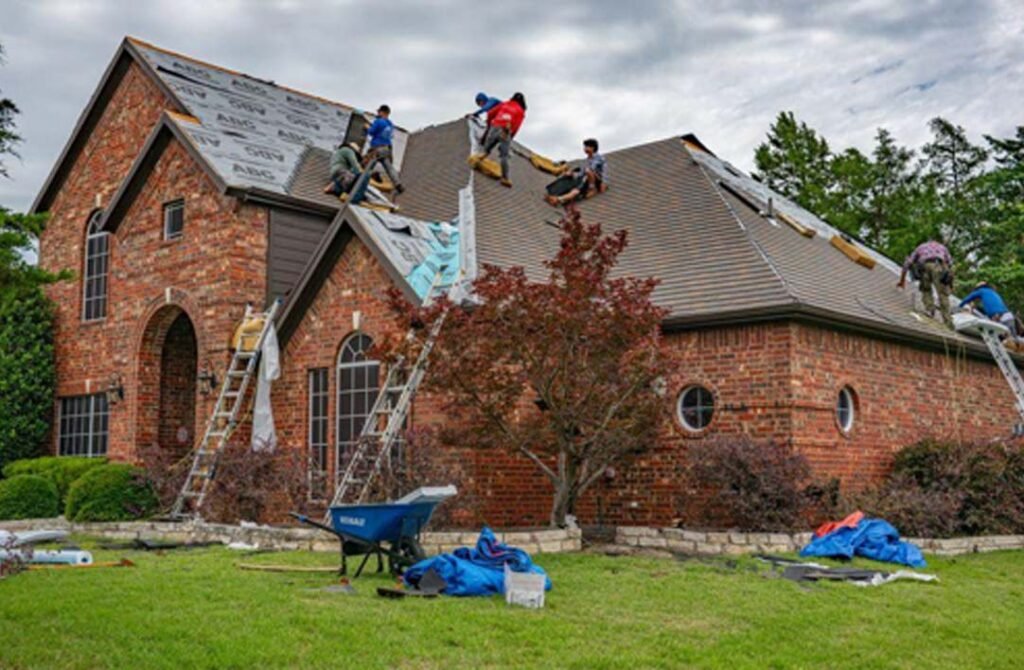
Every home eventually reaches a point where ordinary upkeep is no longer enough, and a larger piece of work moves to the front of the line. A roof replacement is one of those jobs homeowners put off the longest, because the expense feels heavy and the damage sits out of sight until water finally shows itself on a ceiling. Hiring specialists who handle full replacements is the sensible response, since the job touches structure, drainage, and ventilation all at the same time. Homeowners who need roof replacement in La Grange can find crews who approach the work as a long-term improvement rather than a temporary patch.
Why Timing Shapes the Value of a Repair
Waiting almost always costs more than acting. A small problem left alone rarely stays small, and by the time it demands attention, the original issue has usually spread into materials around it. What could have been a contained job becomes a larger one with more labor, more replacement material, and more rooms affected.
Timing also decides how much choice you have. A homeowner who plans ahead can gather several estimates, compare approaches, and schedule the work for a season that suits the job. A homeowner reacting to an emergency takes whoever is available and whatever solution can be arranged quickly. The first situation produces improvements. The second produces repairs.
Planning the Work Around Your Home’s Bigger Picture
Before committing to any large job, it helps to step back and look at the house as a whole. Which parts are nearing the end of their service life? Which areas have been repaired repeatedly without ever being properly resolved? Which rooms do you actually use, and which ones have never worked the way you wanted?
Writing this out changes the way you approach a single repair. You stop asking what needs fixing and start asking what the house needs over the next ten or fifteen years. Often a job that looked isolated turns out to connect naturally to two or three other things on the list, and doing them together saves both money and upheaval.
Setting a Budget That Accounts for Quality
A realistic budget has three parts: the work itself, a margin for what gets discovered once things are opened up, and a small allowance for improvements you decide to add along the way. Skipping the second part is how homeowners end up abandoning a project halfway through. Skipping the third is how they finish the work and immediately regret not spending a little more while everything was already accessible.
The cheapest bid deserves careful attention rather than automatic acceptance. Sometimes it reflects genuine efficiency. More often it reflects thinner materials, fewer labor hours, or work that stops at the surface. Ask each contractor what their price includes and what it leaves out, then compare those answers rather than the totals alone.
Getting the Most From Materials That Last
There is usually a meaningful gap between the minimum acceptable material for a job and the better option a step above it. That gap is often modest relative to the total cost, because so much of the price sits in labor. Since the labor is the same either way, upgrading the material is frequently the best value in the entire project.
Longer-lasting materials also change the math on future maintenance. They need attention less often, tolerate weather better, and delay the next round of work by years. Spending slightly more once tends to cost far less than spending less twice.
Keeping Records of Everything You Do
Keep a simple file for each project: the estimate, the final invoice, photographs taken before and during the work, warranty paperwork, and the name and contact details of the contractor. Add the date and a short note about what was done and why.
This file takes minutes to assemble and becomes genuinely valuable later. It answers questions when something needs follow-up, supports any warranty claim, and gives a buyer confidence that the house has been looked after rather than merely maintained.
Knowing When to Combine Projects
Related work done together almost always costs less than the same work done separately. Setup, access, cleanup, and coordination get shared across projects instead of repeated for each one, and the house goes through one period of disruption rather than several.
The limit is your budget and your patience. Combining two or three connected jobs is usually sensible. Combining everything at once often means rushed decisions and a project that outgrows its plan. Group what genuinely belongs together and leave the rest for a later stage.
Building Toward a Home That Ages Well
The homes that hold their value are rarely the ones that avoided problems. They are the ones where each problem was answered properly, with good materials and careful work, and where every repair left the house slightly better than it was.
That approach costs a little more at each step and far less across the years, and it turns a series of unwelcome expenses into something closer to a plan.
