


The Foundational Differences Between Leotard Styles
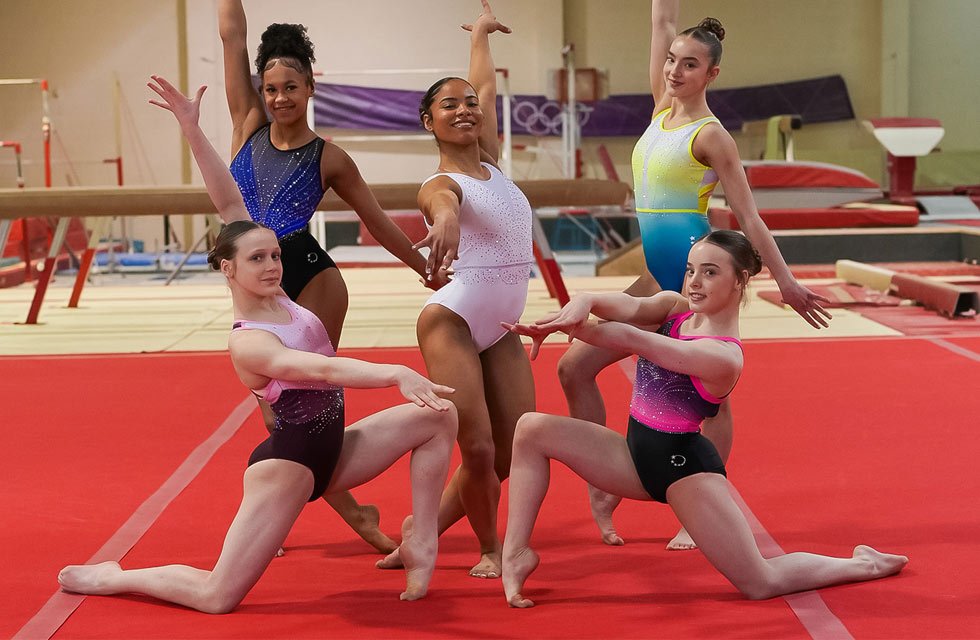
Choosing the right attire for a gymnast involves more than just picking a favorite color or a sparkling pattern. The debate between long sleeve and sleeveless designs is a central topic for parents, coaches, and athletes alike. At its core, the choice reflects the specific needs of the gymnast based on their skill level, the environment in which they train, and the specific requirements of their competitive discipline. Sleeveless leotards, often referred to as tank leotards, are the standard for daily practice and recreational classes. They offer maximum ventilation and ease of movement. Long sleeve leotards, conversely, are typically reserved for competitive stages and higher level training sessions where form and presentation are paramount.
When considering Elite Gymnastics leotards, it is important to recognize that the construction of the garment impacts how an athlete perceives their own body lines. A long sleeve leotard extends the visual line of the arm, which can make a significant difference in how a judge perceives the execution of a routine. Meanwhile, sleeveless options allow for immediate feedback from coaches who need to see the engagement of the triceps and the alignment of the shoulders without any fabric obstruction. Understanding these basic functional differences is the first step in building a functional athletic wardrobe.
Performance Dynamics and Range of Motion
The primary concern for any gymnast is how their clothing affects their ability to move. Gymnastics requires extreme ranges of motion in the shoulders and hips. A sleeveless leotard provides the most freedom for the shoulder joint, as there is no fabric to pull or create resistance during deep rotations or overhead reaches. This makes them ideal for learning new skills on the uneven bars or practicing complex tumbling passes where every fraction of an inch matters.
The Compression Factor in Long Sleeves
Long sleeve leotards are not merely about aesthetics; they provide a level of compression that some athletes find beneficial. The snug fit along the arms can serve as a constant sensory reminder of arm position. This proprioceptive feedback helps gymnasts maintain straight arms during handstands and casting movements. High quality garments from Elite Gymnastics are engineered to ensure that even with full arm coverage, the four way stretch fabric minimizes resistance. However, a poorly fitted long sleeve garment can lead to bunching at the elbows or pulling at the armpits, which can distract an athlete during a critical moment of their routine.
Friction and Grip
Another performance aspect involves the interaction between the skin and the equipment. On the uneven bars, some gymnasts prefer the bare skin contact of a sleeveless leotard to better feel the bar, while others find that the sleeves provide a slight barrier against friction burns on the inner arms during close bar work. The choice often comes down to personal preference and the specific technique the gymnast employs during their transitions.
Psychological Impact and Competition Mindset
There is a documented psychological shift that occurs when a gymnast puts on a long sleeve competitive leotard. In the industry, this is often referred to as the armor effect. Because long sleeve leotards are generally more expensive and more ornate, they are associated with the importance of the event. When an athlete wears a formal long sleeve piece, it signals to their brain that it is time to perform at their highest level.
Confidence and Presentation
The visual impact of a long sleeve leotard cannot be understated in a competitive environment. The added fabric provides more surface area for crystals, sequins, and intricate sublimation designs. This creates a professional look that can boost an athlete’s confidence as they step onto the floor. When a gymnast feels they look the part of an elite competitor, their posture and presence often improve. This is why many clubs choose specific long sleeve designs for their travel teams, ensuring a unified and prestigious appearance that commands respect from the moment the team enters the arena.
Temperature Regulation and Fabric Technology
The climate of the training facility plays a massive role in the selection process. Gymnastics centers are often large, warehouse style buildings that can be difficult to heat in the winter and even harder to cool in the summer. A sleeveless leotard is almost always the preferred choice for summer training or for gyms located in warmer climates. The ability for heat to escape from the underarms and neck area helps prevent overheating during intense three hour sessions.
Managing Cold Environments
In contrast, a long sleeve leotard can be a lifesaver in a drafty gym during the winter months. Maintaining muscle warmth is crucial for preventing injuries such as strains or pulls. Cold muscles are less pliable and more prone to damage. By wearing sleeves, a gymnast can keep their upper body at a more consistent temperature between rotations. Modern fabric technology has also introduced moisture wicking properties into long sleeve designs, ensuring that even as the athlete sweats, the fabric stays dry and does not become heavy or uncomfortable.
Safety Considerations and Equipment Interaction
Safety is the highest priority in any sport involving high velocity rotations and heights. The fit of a leotard is a safety feature in itself. A leotard that is too loose, whether it has sleeves or not, poses a snagging risk on equipment like the balance beam or the uprights of the bars. Long sleeve leotards must fit like a second skin to ensure that the sleeves do not get caught during releases or catches.
- Check the sleeve length to ensure it ends exactly at the wrist bone.
- Verify that the armhole is tight enough to prevent gaping but loose enough to avoid chafing.
- Ensure the fabric does not slip when the gymnast is spotted by a coach.
- Test the range of motion by having the athlete perform a full bridge or shoulder stretch.
When selecting between Long Sleeve vs. Sleeveless Gymnastic Leotards: Which Should Your Gymnast Wear? it is vital to consult with your coach. Many coaches have specific requirements for safety reasons, especially for younger gymnasts who are still developing their spatial awareness. The streamlined profile of a sleeveless leotard is often safer for beginners who are being physically spotted through every move.
The Aesthetic Standards of Modern Gymnastics
The aesthetic requirements of gymnastics have evolved significantly over the decades. In the early days of the sport, simple cotton leotards were the norm. Today, the industry has moved toward high tech foils, holograms, and mesh inserts. Long sleeve leotards offer the greatest canvas for these artistic expressions. The use of mesh sleeves, for example, provides the visual elegance of a long sleeve while offering the breathability closer to a sleeveless design.
Judging and Line Perfection
In the eyes of a judge, every movement is evaluated based on the perfection of the line. A long sleeve leotard helps to create a continuous, unbroken line from the shoulder to the fingertip. This can mask slight imperfections in elbow extension that might be more obvious in a sleeveless leotard. However, this also means that the fit must be impeccable. Any extra fabric at the wrist or elbow will break that line and potentially lead to lower execution scores. Elite Gymnastics provides sizing guides that help parents achieve this precise fit, which is essential for competitive success.
Practicality for Training versus Performance
From a purely practical standpoint, sleeveless leotards are the workhorses of the gymnastics world. They are generally easier to wash, quicker to dry, and more durable for the rigors of daily practice. Because they use less fabric and fewer embellishments, they are also more budget friendly for families. Most gymnasts will own ten to fifteen sleeveless leotards for every one long sleeve competition leotard they possess.
Transitioning Between Styles
It is a common mistake for gymnasts to train exclusively in sleeveless leotards and then switch to a long sleeve for a competition without any transition period. The difference in feel can be distracting. It is highly recommended that gymnasts wear their long sleeve competition attire during at least two or three full practice sessions before an event. This allows them to get used to the sensation of fabric on their arms and ensures there are no unforesee issues with the fit during their routines.
Making the Final Decision for Your Athlete
Ultimately, the decision between these two styles depends on the specific context of the gymnast’s career. For a child just starting out in a recreational program, a sleeveless leotard is almost always the better choice due to its comfort and lower price point. As the athlete progresses into the competitive levels, the long sleeve leotard becomes a necessary investment for meets and formal exhibitions.
- Assess the current level of the gymnast and the requirements of their governing body.
- Consider the temperature and environment of the primary training facility.
- Evaluate the athlete’s personal comfort and sensory preferences.
- Budget for at least one high quality long sleeve leotard for competitive use.
Quality should never be sacrificed for price when it comes to performance wear. Investing in reputable brands like Elite Gymnastics ensures that the garment will withstand the extreme stresses of the sport. Whether you choose the freedom of a sleeveless design or the sophisticated look of long sleeves, the goal remains the same: providing the athlete with the confidence and comfort they need to soar.
Choosing the Right Path for Growth
The journey of a gymnast is marked by milestones, and the transition from a simple tank leotard to a shimmering long sleeve competition piece is one of the most memorable. By understanding the functional, psychological, and aesthetic implications of each style, parents and coaches can make informed decisions that support the athlete’s development. There is no single right answer, but rather a best choice for each specific stage of a gymnast’s life. By prioritizing fit, fabric quality, and the specific needs of the discipline, you ensure that the focus remains where it belongs: on the strength, grace, and skill of the gymnast. Through careful selection of gear from providers such as Elite Gymnastics, the athlete is prepared to face every challenge on the floor, beam, and bars with total poise.
