


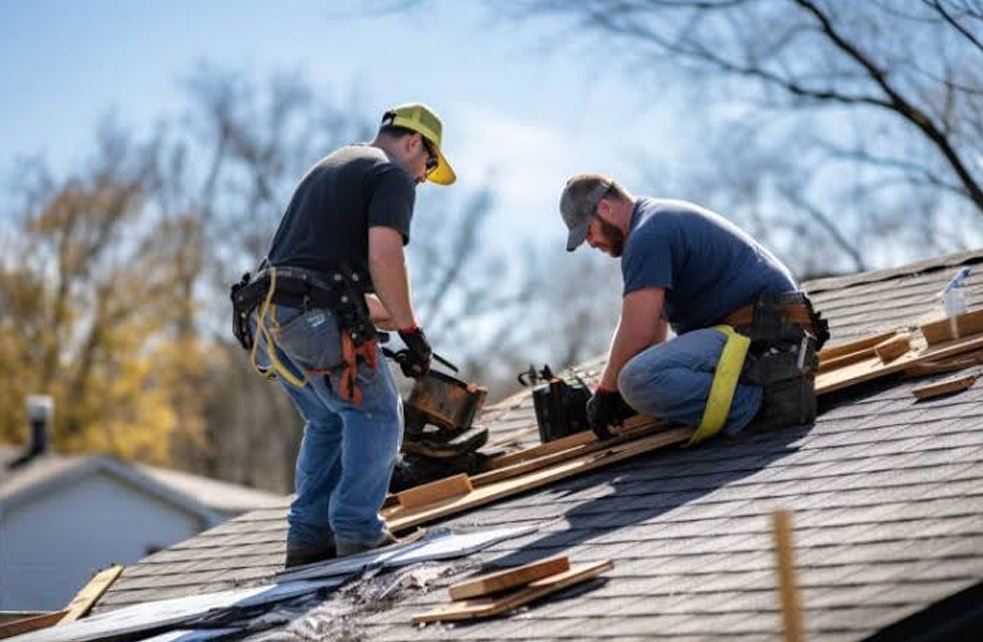
A roof is one of the most important protective systems of any property because it provides a barrier between the building and constantly changing outdoor conditions. Rain, wind, sunlight, falling debris, temperature changes, and severe storms can all affect roofing materials over time, while sudden weather events can cause immediate damage that requires professional attention. When a roof develops a major opening, loses a significant amount of material, suffers impact damage, or allows water to enter the property, delaying action can increase the extent of the problem. Water can move beyond the visible point of entry and affect roof decking, insulation, framing, ceilings, walls, and interior finishes. For this reason, emergency roof repair is an important service when unexpected damage threatens the ability of the roofing system to protect the property. The purpose of an emergency response is to evaluate the immediate condition of the roof, identify safety concerns, reduce additional water intrusion when possible, and determine what work is required to restore the damaged area. A complete solution may involve temporary protection followed by permanent repairs, depending on the severity of the damage, weather conditions, roofing material, and condition of the underlying structure.
Understanding What Makes a Roofing Problem an Emergency
Roofing problems can vary significantly in severity, and not every issue requires immediate emergency service. Minor wear, a small area of aging material, or a maintenance concern may be scheduled for a regular inspection and repair appointment. However, certain conditions can create an urgent situation because they leave the property exposed to additional damage. Active water entering the building, a large section of missing roofing material, a puncture caused by falling debris, severe wind damage, or a major failure around flashing or other roof components may require prompt professional attention. In many cases, the problem becomes more serious because the protective layers of the roof have been compromised. Once moisture reaches the materials beneath the exterior surface, the potential for additional damage increases. Water may move through insulation and along structural components before becoming visible inside the building, which means the location of a ceiling stain or interior leak does not always identify the actual point where the water entered the roof. A professional evaluation is therefore important because the visible symptom may represent only one part of a larger problem within the roofing assembly.
Why Quick Action Can Help Reduce Additional Damage
When significant roofing damage occurs, the condition of the property can change quickly, especially if rain continues after the original damage. A small opening may allow a limited amount of moisture to enter at first, but continued exposure can gradually affect a larger section of the roof and interior. Moisture that reaches the roof deck can contribute to deterioration, while wet insulation may lose some of its ability to perform effectively. Water can also affect ceilings, walls, flooring, electrical components, and personal belongings depending on the path it follows through the building. Prompt emergency roof repair can help address the immediate source of exposure and reduce the possibility of additional water entering the structure. Quick action should always be balanced with safety, however. Property owners should not climb onto a damaged roof during a storm or attempt to perform hazardous repairs without appropriate experience and equipment. Wet roofing surfaces, loose materials, damaged decking, and severe weather can create serious risks. The safest response is generally to protect the interior area when possible, avoid unsafe roof access, and contact qualified roofing professionals who can evaluate the situation and recommend the appropriate next steps.
Storm Damage and Its Effect on Roofing Materials
Severe weather is one of the most common causes of sudden roofing emergencies because storms can place significant pressure on nearly every part of the roofing system. Strong winds may lift, loosen, or remove shingles and other roofing materials, particularly when existing components have already experienced wear. Heavy rainfall can expose weaknesses around flashing, valleys, penetrations, seams, and roof edges. Falling branches and airborne debris may puncture or crush roofing materials, while hail can cause impact damage that may not always be immediately obvious from the ground. Even when the roof appears mostly intact after a storm, some materials may have been loosened and could become more vulnerable during future weather events. A professional inspection can help identify damage that is difficult to detect without safely accessing and examining the roof. The contractor can evaluate visible materials, roof edges, flashing, drainage components, and other areas that may have been exposed to unusual force. Early identification of storm damage can help property owners take action before another period of rain or wind creates additional problems.
Active Roof Leaks Require More Than a Surface-Level Fix
A roof leak can be particularly concerning because the water visible inside the property may not be entering at the same location. Moisture can travel along roof decking, framing, insulation, and other components before reaching a ceiling or wall. As a result, simply repairing the area directly above an interior stain may not resolve the actual problem. A professional roofing inspection should examine potential entry points and evaluate the condition of surrounding materials. Damaged shingles, loose panels, deteriorated flashing, failed seals, valleys, penetrations, and roof transitions may all contribute to water intrusion. The objective is to identify the actual pathway allowing moisture into the building and restore the protective components involved. Temporary sealants or surface patches may provide short-term assistance in certain situations, but they should not automatically be considered a permanent solution when underlying materials are damaged. A complete repair should address the source of the leak and ensure that water is once again directed across the roofing system and away from vulnerable areas.
Temporary Protection May Be Necessary Before Permanent Repairs
Some roofing emergencies cannot be permanently repaired immediately because weather conditions may still be unsafe or because the extent of the damage requires additional materials and planning. In these situations, a contractor may recommend temporary protection to reduce further exposure until permanent work can be completed. The specific approach depends on the type of roofing system, size and location of the damaged area, weather conditions, and condition of the structure. Temporary protection is intended to reduce additional water intrusion and stabilize the situation rather than replace a properly completed repair. Once conditions allow, the affected area should be inspected more thoroughly to determine whether roofing materials, underlayment, flashing, decking, or other components require replacement. Property owners should understand the difference between temporary emergency protection and a permanent repair because the first stage of the response may be focused on preventing additional damage while the second stage restores the roofing system for long-term performance.
The Condition of the Roof Deck Must Be Considered
The visible roof covering is only one part of the complete roofing system. Beneath shingles, panels, or other exterior materials is the roof deck, which provides structural support for the components installed above it. When water enters through a damaged roof, the deck may be exposed to moisture for an extended period. If the problem is severe or remains unnoticed, sections of the decking may weaken or deteriorate. This damage can remain hidden until exterior roofing materials are removed during a repair project. For that reason, significant roof damage often requires an evaluation of the underlying structure. A contractor may remove affected materials and inspect the deck to determine whether it remains suitable for the installation of replacement roofing components. If damaged areas are discovered, addressing them before new materials are installed can help create a stronger foundation for the completed repair. Covering deteriorated decking with new roofing materials may hide the visible problem without resolving the structural concern underneath.
Flashing Problems Can Lead to Serious Water Intrusion
Flashing is an essential component because it protects areas where the roof changes direction or meets another surface. Chimneys, skylights, vents, walls, valleys, and other penetrations can create vulnerable locations where water may enter if materials are not properly installed and maintained. Flashing is designed to direct water away from these transitions and integrate with surrounding roofing materials. Over time, flashing can become damaged, loose, corroded, or separated, particularly after repeated weather exposure or severe storms. Sealants used around certain components can also deteriorate and create additional opportunities for moisture intrusion. During an emergency inspection, roofing professionals should evaluate these areas carefully rather than focusing only on the most visible damage. Correcting the complete transition can help provide a more durable repair and reduce the possibility that water will continue entering through nearby gaps.
Different Roofing Materials Require Different Repair Methods
Emergency roofing work should be based on the type of material installed on the property because different systems have different installation methods and potential points of failure. Asphalt shingles can become cracked, lifted, loosened, or completely removed during strong winds. Metal roofing materials may experience damaged panels, loose fasteners, affected seams, or impact-related problems. Low-slope and flat roofing systems may require careful attention to membranes, seams, drainage, and areas where water has accumulated. Tile roofs can experience cracked or displaced components that require specialized handling and replacement methods. A qualified contractor should understand how the existing roofing material functions as part of the complete assembly and select a repair method that is compatible with the surrounding system. Using inappropriate materials or installation techniques can create new problems and reduce the effectiveness of the repair.
Drainage Becomes Even More Important After Roof Damage
Proper drainage plays a major role in protecting a damaged roof from additional moisture exposure. Rainwater should move across the roofing surface and toward appropriate drainage areas without collecting around damaged components. Gutters, downspouts, roof valleys, and edge details all influence how effectively water is removed from the structure. If gutters are clogged with leaves and debris, water may overflow near the roof edge and expose fascia, soffits, siding, and other exterior components to unnecessary moisture. Valleys should also be evaluated because they collect runoff from multiple roof sections and may experience substantial water flow during heavy rainfall. Restoring drainage does not replace the need to repair damaged roofing materials, but it can help reduce additional stress on vulnerable areas. A complete emergency assessment should therefore consider both the damaged section and the overall path that water follows across and away from the roof.
When Roof Damage Affects the Interior
Roof damage can quickly become an interior property concern once moisture enters the building. Water may affect ceilings, insulation, walls, flooring, and stored belongings, while prolonged exposure can create additional restoration requirements. Property owners should take reasonable steps to protect furniture and other belongings from active leaks when it is safe to do so. Containers may be placed beneath dripping water where appropriate, and affected areas should be monitored for changes. Electrical components near active water require additional caution because moisture and electricity can create a dangerous situation. While protecting the interior is important, the source of the water must also be addressed to prevent the problem from continuing. A professional roofing response can focus on restoring the damaged exterior barrier while additional evaluation may be needed for materials inside the building that have already been exposed to moisture.
Evaluating Wind and Impact Damage
High winds can cause more than immediately visible roofing damage. Materials may be loosened without completely separating, and these weakened areas can become vulnerable during the next storm. Roof edges, ridges, flashing, and other exposed areas may experience increased pressure from strong winds. Impact damage caused by branches, debris, or other objects can also affect roofing materials and potentially damage the layers underneath. A professional inspection can help determine whether the damage is limited to one component or whether the surrounding roofing assembly has also been affected. Proper repairs should restore secure attachment and maintain compatibility with the existing roofing materials. Simply replacing one visibly damaged piece may not be sufficient if nearby materials have also been loosened or if the impact affected the roof deck beneath the surface.
Deciding Between Repair and Replacement
After significant roof damage, property owners may need to determine whether targeted repairs are sufficient or whether replacement is the better long-term solution. This decision should be based on the extent of the damage and the overall condition of the existing roofing system. A localized problem on an otherwise well-maintained roof may be effectively repaired. However, widespread deterioration, repeated leaks, significant structural concerns, or extensive storm damage may make continued repairs less practical. The age of the roof can provide useful context, but age should not be the only factor considered. Material condition, installation quality, previous repair history, ventilation, drainage, and the condition of the underlying structure should all be evaluated. A professional contractor can explain whether the problem is isolated or part of a broader pattern and provide recommendations based on the actual condition of the roofing system.
The Importance of Professional Emergency Roofing Services
The contractor responsible for evaluating and repairing a damaged roof can have a significant effect on the quality and durability of the final result. An experienced professional should understand complete roofing assemblies and recognize that the visible problem may not always represent the entire extent of the damage. The inspection should consider exterior materials, flashing, underlayment, roof decking, ventilation, drainage, and other components when relevant to the situation. Clear communication is also important because hidden damage may be discovered once affected roofing materials are removed. A dependable contractor should explain these findings and provide practical recommendations before additional work is completed. Professional emergency roof repair is most effective when it focuses on identifying the cause of the damage, protecting the property from additional exposure, and completing repairs that are properly integrated with the existing roofing system.
Preventive Maintenance Can Reduce Unexpected Problems
Although severe weather and accidents cannot always be prevented, regular roof maintenance can help identify existing weaknesses before they become major emergencies. Periodic inspections can reveal loose materials, damaged flashing, deteriorated seals, blocked drainage, and other developing concerns. Gutters and downspouts should be kept reasonably clear so that water can move away from the roof and property. Trees near the structure should also be monitored because branches can rub against roofing materials or create an impact risk during severe weather. Interior areas should be checked for unexplained stains, moisture, or other warning signs that may indicate a developing roofing problem. Preventive maintenance allows homeowners to address concerns in a more planned manner rather than waiting until significant damage occurs during an emergency situation.
Creating a Long-Term Plan After Emergency Repairs
Once immediate roof damage has been addressed, property owners should consider the overall condition of the roofing system and develop a maintenance plan for the future. An emergency may reveal areas that require additional inspection or improvements beyond the original damaged section. For example, a storm-damaged area may lead to the discovery of aging flashing, inadequate drainage, or other components that should receive attention. A contractor can provide information about the condition of the remaining roof and explain whether additional maintenance or future repairs may be beneficial. Keeping records of inspections and completed work can also help property owners monitor the condition of the roof over time. A long-term approach can provide better information for future maintenance decisions and help prevent manageable concerns from developing into more extensive problems.
Conclusion
Sudden roof damage can place a property at risk when rain, wind, debris, or other conditions compromise the roofing system and allow moisture to enter the structure.Emergency roof repair is designed to provide prompt professional attention when immediate damage threatens the roof’s ability to protect the building. The process should begin with a careful assessment of the damaged area and, when necessary, temporary measures that reduce additional water intrusion until permanent repairs can be completed. A successful repair should address more than the visible symptom by considering the condition of roofing materials, flashing, underlayment, roof decking, drainage, and other components that may have been affected.Acting promptly after significant damage can help reduce the possibility of additional moisture exposure and protect important areas of the property. At the same time, safety should remain a priority, and property owners should avoid attempting hazardous repairs on wet, unstable, or storm-damaged roofs. Working with experienced roofing professionals can help ensure that the source of the problem is properly evaluated and that repairs are completed using appropriate materials and methods. With timely attention, careful inspection, professional workmanship, and ongoing maintenance, property owners can restore the protective function of their roofing system and reduce the likelihood that unexpected damage will develop into a larger and more costly property concern.
