


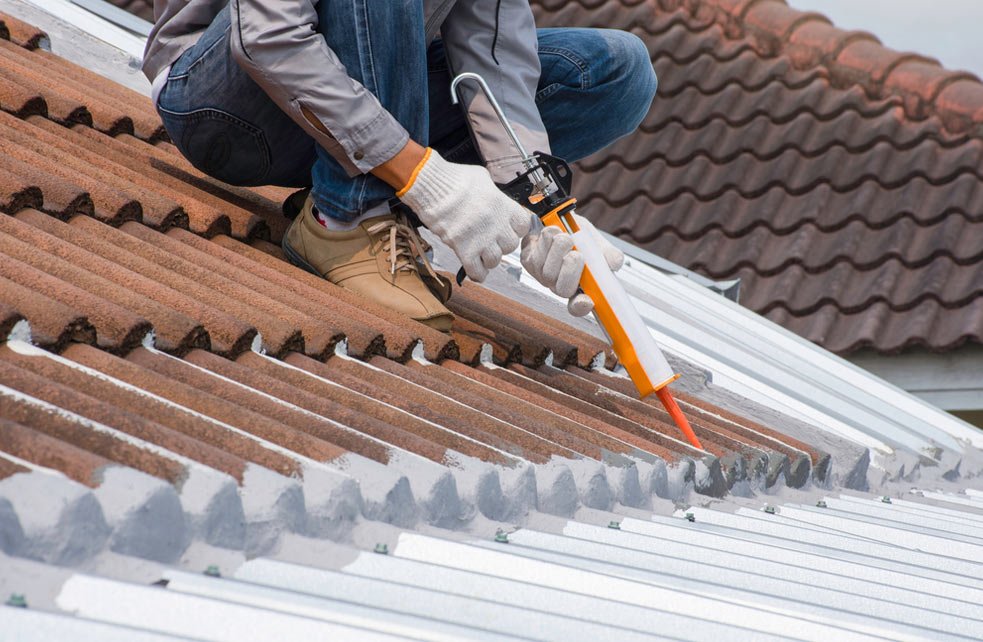
A roof is one of the most important protective components of any property because it is constantly exposed to sunlight, rain, wind, temperature changes, dust, moisture, and other environmental conditions. Over time, these factors can affect roofing materials and contribute to surface wear, moisture penetration, fading, and other maintenance concerns. While regular inspections and timely repairs are essential, appropriate protective treatments can also play a role in maintaining certain roofing systems. Roof sealing is one such maintenance option that may help protect suitable roof surfaces from environmental exposure while supporting their long-term performance.
Professional roof sealing involves applying an appropriate protective coating or sealant to a prepared roofing surface. The specific product and application process depend on the roofing material, existing condition, climate exposure, and purpose of the treatment. A quality sealing project begins with inspection and preparation rather than simply applying a coating over dirt or damaged materials. Cleaning, repairs, drying, and proper surface preparation can all influence the effectiveness and longevity of the finished application. When performed correctly, roof sealing can become part of a broader roof maintenance strategy that also includes roof cleaning, inspections, gutter cleaning, and timely repairs.
What Is Roof Sealing?
Roof sealing is the process of applying a protective material to an appropriate roofing surface to create an additional layer of protection. Depending on the roofing system, sealants and coatings may be designed to help reduce moisture exposure, protect against weathering, improve surface durability, or support the existing roof system.Different roof types require different products and application techniques. A coating that is suitable for one roofing material may not be appropriate for another. The roof’s age, condition, previous treatments, slope, drainage, and exposure should all be considered before a sealing product is selected.Roof sealing should not be viewed as a universal solution for every roofing problem. It cannot replace damaged structural components, correct major leaks, or restore severely deteriorated materials. Instead, it may be useful as a preventive or maintenance treatment when the roof is otherwise suitable for sealing.
Why Roof Maintenance Matters
Roofs experience constant exposure to environmental conditions. Sunlight can gradually affect certain roofing materials, while rain and moisture can contribute to deterioration. Wind can carry branches and debris onto the roof, and temperature fluctuations can cause materials to expand and contract.Without regular maintenance, small problems may remain unnoticed until they become more serious. Damaged flashing, cracked sealants, missing materials, blocked drainage areas, and small openings can allow moisture to enter vulnerable areas.A comprehensive roof maintenance program combines inspections, cleaning, repairs, and other appropriate protective measures. Roof sealing may complement these services when the roofing system and its condition make it a suitable option.
Benefits of Roof Sealing
The potential benefits of roof sealing depend on the type of roof and the coating selected. A properly applied coating can provide an additional protective layer over the roofing surface and may help reduce exposure to moisture and weather-related wear.Some roof coatings can also reflect a portion of solar radiation, depending on their formulation and color. This may help reduce heat absorption at the roof surface under certain conditions. However, performance varies considerably among products, and property owners should evaluate manufacturer specifications rather than assuming every coating provides the same benefits.A properly maintained sealed roof may also be easier to clean and monitor. The coating can create a more uniform surface, although routine inspections and maintenance remain necessary after sealing.
The Importance of Roof Inspection Before Sealing
Inspection should be one of the first steps in any roof sealing project. A professional should evaluate the roof for damaged materials, leaks, cracks, loose components, deteriorated flashing, drainage problems, and other concerns.Applying a coating over an unresolved problem does not necessarily correct it. In some cases, sealing over damaged areas can make future inspection or repair more complicated.The condition of the underlying roof therefore matters greatly. If the roofing system has extensive deterioration or structural problems, replacement or significant repair may be more appropriate than sealing.
Roof Cleaning Before Sealing
A clean surface is generally important for successful coating application. Dirt, algae, moss, loose particles, and other contaminants can interfere with adhesion and prevent the coating from bonding properly.Roof cleaning should therefore be completed using a method appropriate for the roofing material. High-pressure cleaning may not be suitable for many roofing systems because excessive pressure can damage shingles, tiles, membranes, or protective surfaces.Soft washing or another low-impact cleaning approach may be more appropriate for certain roofs. The objective is to remove contaminants while preserving the underlying roofing material.
Roof Sealing and Moisture Protection
One of the primary reasons property owners consider roof sealing is moisture protection. Rainwater can enter through damaged areas, deteriorated seams, cracks, failed flashing, or other openings.A suitable coating may provide additional resistance to moisture on appropriate roofing systems. However, sealing should never be used as a substitute for repairing active leaks or damaged structural components.Before sealing, existing leaks should be located and corrected where possible. The roof should then be allowed to reach the appropriate condition for coating application. Proper preparation can help ensure that the sealant performs as intended.
Protecting Against Weather Exposure
Roofing materials are exposed to changing weather conditions throughout their service life. Sunlight, rain, wind, temperature fluctuations, and airborne debris can gradually affect the surface.A protective coating can provide an additional barrier against some forms of environmental exposure. The degree of protection depends on the coating formulation and the roofing material beneath it.Regular inspections remain important because even a sealed roof can develop damage over time. Severe storms, falling branches, animals, and normal aging can affect roofing materials regardless of whether a protective coating has been applied.
Roof Sealing and UV Exposure
Sunlight can contribute to the aging of many roofing materials. Ultraviolet radiation may cause fading, drying, surface deterioration, and other forms of weathering over time.Some roof coatings are formulated to resist UV exposure and may help protect the underlying material from direct environmental effects. Reflective coatings can also reduce the amount of solar energy absorbed by certain roof surfaces.The benefits depend on the specific product, application thickness, roof material, and environmental conditions. Property owners should choose products designed for their particular roofing system rather than applying a general-purpose coating.
Roof Coatings and Energy Considerations
Certain reflective roof coatings can influence how much solar heat a roof absorbs. A highly reflective surface can reflect more sunlight and potentially reduce heat transfer through the roof under appropriate conditions.This can be particularly relevant for buildings where roof surfaces receive substantial direct sunlight. However, energy performance depends on many factors, including insulation, ventilation, building design, roof color, climate, and the specific coating.Roof sealing should therefore be evaluated as one part of an overall building efficiency strategy rather than as a guaranteed way to reduce energy costs.
Different Types of Roof Coatings
Roof coatings are available in several formulations, and each has different characteristics. Acrylic coatings are commonly used on certain roofing systems and can provide reflective properties. Silicone coatings may offer strong resistance to moisture and can be used on appropriate roof surfaces. Elastomeric coatings are designed to provide flexibility and accommodate some degree of surface movement.Other specialized coatings may be designed for particular commercial or industrial roofing systems. The correct choice depends on compatibility with the existing roof material, desired performance, environmental exposure, and manufacturer requirements.A professional assessment can help determine which coating is suitable. Using an incompatible product may lead to poor adhesion, premature failure, or damage to the roofing system.
Roof Sealing for Different Roofing Materials
Not every roofing material should be sealed using the same method. Asphalt shingles, metal roofs, flat membranes, tile, and other systems have different characteristics and maintenance requirements.Metal roofing, for example, may benefit from specific protective coatings designed to adhere to prepared metal surfaces. Flat roofing systems may require coatings compatible with the existing membrane. Tile roofs may have different requirements based on the tile material and condition.Before any coating is applied, the manufacturer requirements for both the roof and coating should be reviewed. Compatibility is one of the most important factors in achieving a successful result.
Preparing the Roof Surface
Preparation is often one of the most important stages of a roof sealing project. The surface may need to be cleaned, dried, repaired, and prepared according to the coating manufacturer’s specifications.Loose debris should be removed, while existing damage should be addressed before application. Certain surfaces may require priming or other preparation to ensure proper adhesion.Weather conditions can also affect the application process. Rain, excessive humidity, extreme temperatures, or strong winds may interfere with drying and curing. Professional installers monitor conditions to determine whether the roof is suitable for treatment.
The Importance of Proper Application
Even a high-quality coating can perform poorly if it is applied incorrectly. The coating must generally be applied at the recommended thickness and coverage rate, with careful attention to seams, edges, penetrations, and other areas.Uneven application can result in inconsistent protection and premature wear. Applying too little material may reduce performance, while excessive application can create its own problems depending on the product.Professional equipment and experience can help provide more consistent coverage. Application should always follow the manufacturer’s technical instructions and safety requirements.
Roof Sealing and Flashing
Flashing is used around roof penetrations, edges, chimneys, vents, and other areas where different surfaces meet. These locations can be particularly vulnerable to moisture intrusion.During a roof inspection, flashing should be evaluated for damage, deterioration, loose sections, and failed sealants. Sealing the general roof surface does not necessarily correct problems with defective flashing.Proper maintenance may require repairing or replacing damaged flashing before the coating is applied. Addressing these details helps create a more complete moisture-management strategy.
Roof Sealing and Drainage
Good drainage is essential for the performance of almost every roofing system. Water should move efficiently toward gutters, drains, or designated discharge areas rather than remaining on the roof for extended periods.Standing water can create additional stress on certain roofing materials and may expose weaknesses in seams or other components. Sealing may provide some protection, but it cannot correct poor roof design or blocked drainage.Gutters and downspouts should also be kept clear so that water can leave the roof effectively. Regular gutter cleaning is therefore an important complement to roof maintenance.
Roof Cleaning Before and After Sealing
Cleaning is usually important before sealing, but ongoing cleaning and maintenance may still be necessary afterward. Dirt and organic growth can accumulate on coated surfaces just as they can on untreated roofs.The cleaning method should be selected according to the coating and roofing material. Aggressive pressure may damage certain coatings, while appropriate soft washing may be more suitable for removing algae and mildew.Property owners should follow the coating manufacturer’s maintenance recommendations to avoid using cleaning methods that could reduce the coating’s service life.
When Roof Sealing May Not Be Appropriate
Roof sealing is not appropriate for every roof. Severely damaged, structurally compromised, or extensively deteriorated roofing systems may require replacement rather than another protective layer.Active leaks should also be investigated and repaired before sealing. Applying a coating over significant unresolved damage can create the appearance of improvement without addressing the underlying cause.A professional evaluation is important because the most cost-effective solution is not always sealing. In some cases, repairs may be sufficient, while in others, complete replacement may provide better long-term value.
Signs That a Roof Needs Professional Attention
Property owners should pay attention to visible signs of roof deterioration. Missing or damaged roofing materials, recurring leaks, water stains, deteriorated flashing, sagging areas, extensive moss growth, and unusual surface changes can all indicate that professional evaluation is needed.Interior signs can also provide important clues. Water stains on ceilings or walls may indicate a roof or drainage problem, although the exact source should be professionally identified.Addressing these concerns early can help prevent additional damage. Roof sealing should only be considered after the underlying condition has been properly evaluated.
Combining Roof Sealing With Exterior Maintenance
A roof does not function independently from the rest of the property’s exterior. Gutters, downspouts, siding, fascia, soffits, and drainage areas all interact with the roof system.A complete exterior maintenance plan may therefore include roof cleaning, gutter cleaning, house washing, soft washing, exterior inspections, and appropriate roof sealing. Combining these services when necessary can help property owners address multiple maintenance concerns efficiently.Each service should still be performed using methods appropriate for the individual material. For example, a cleaning method suitable for concrete should not automatically be used on roofing materials.
Long-Term Roof Maintenance
Roof sealing can provide protective benefits, but it does not eliminate the need for regular maintenance. The roof should continue to be inspected periodically for damage, debris, drainage problems, and signs of coating deterioration. After severe weather, additional inspection may be appropriate because wind, hail, falling branches, and other events can damage roofing materials. Keeping records of cleaning, repairs, inspections, and coating applications can also help property owners understand the roof’s maintenance history. This information can be useful when planning future work or evaluating the condition of the property.
Choosing a Roof Sealing Professional
Selecting an experienced professional is important because roof coatings require proper preparation and application. Property owners should look for a provider that understands different roofing materials and follows manufacturer specifications. A professional should inspect the roof before recommending sealing and explain whether repairs or cleaning are required first. They should also be able to identify situations where sealing may not be the best option. The quality of preparation and application can significantly affect the final result. A careful contractor focuses on compatibility, surface condition, weather conditions, coverage, safety, and long-term maintenance. Choosing a trusted roof sealing service can help property owners ensure that the coating is applied using an appropriate process for the existing roofing system.
Conclusion
Roof sealing can be a useful maintenance option for suitable roofing systems when the surface is properly inspected, cleaned, repaired, prepared, and treated with a compatible coating. It may provide additional protection against moisture, sunlight, and environmental exposure while helping certain roofs maintain their appearance and performance. However, roof sealing should never be considered a replacement for necessary repairs or roof replacement when significant deterioration is present. The condition of the existing roofing system must always be evaluated before deciding whether a coating is appropriate. Proper drainage, clean gutters, functioning flashing, and regular inspections are equally important components of long-term roof care. Professional roof sealing can become a valuable part of a comprehensive exterior maintenance plan when it is performed according to the requirements of the specific roofing material. Combined with appropriate roof cleaning, gutter cleaning, soft washing, and routine inspections, it can help property owners maintain a cleaner, more protected, and better-performing roof while addressing potential maintenance concerns before they become more difficult and expensive to manage.
