


A bathroom can look beautiful on installation day and still become frustrating six months later. Instead of designing only around color and style, consider how every surface will behave after hundreds of showers, toothpaste splashes, wet towels, and hurried mornings.
A low-maintenance remodel is deliberately designed so water drains where it should, surfaces are easy to reach, and fewer places invite grime to settle.
Start With the Wet Zone, Where Most Cleaning Begins
The tub or shower usually creates the most demanding cleaning zone in the room. Water, soap residue, shampoo, and humidity repeatedly hit the same surfaces, so simplifying this area can reduce a surprising amount of routine work. Large, continuous wall surfaces, accessible corners, sensible drainage, and easy-to-clean fixtures all deserve consideration.
This is also where professional remodeling can be useful when an old bathing area needs more than cosmetic attention. Bath Planet Local provides options such as replacement tubs and showers, tub-to-shower conversions, walk-in tubs, surrounds, and enclosures, with acrylic bath systems designed for easier cleaning and resistance to mold and mildew.
Reduce the Number of Places Grime Can Hide
Every seam, groove, narrow ledge, and decorative recess creates another surface that may eventually need attention.
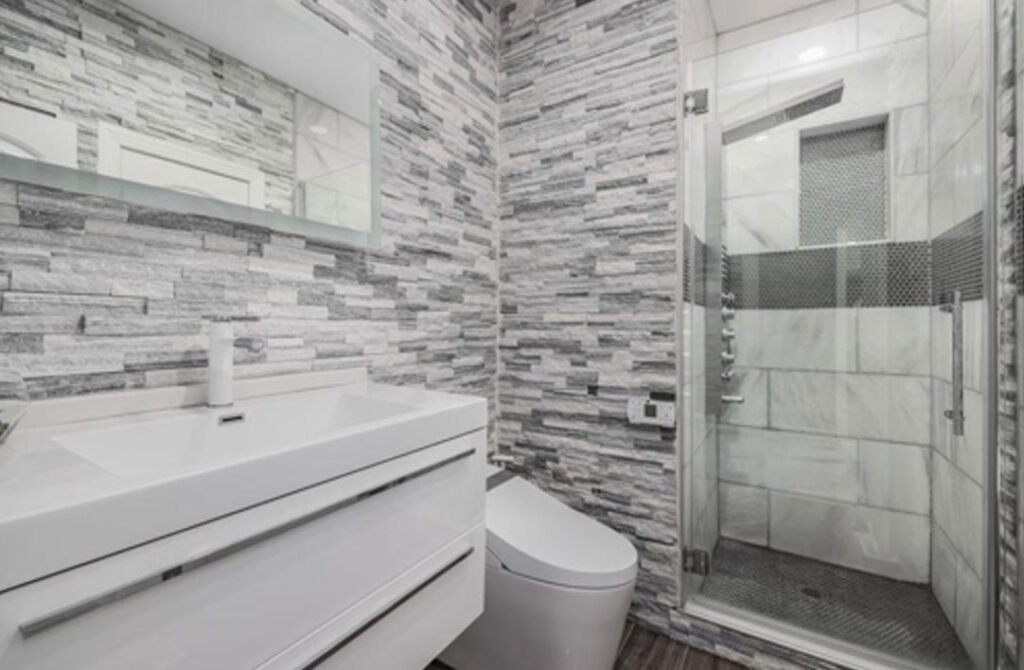
When selecting shower walls, flooring, cabinetry, and trim, imagine cleaning them with a cloth or brush. Deeply textured materials may require more effort than smooth surfaces. Tiny tiles create more grout joints than larger formats. Intricate cabinet profiles can hold dust around edges.
The idea is not to eliminate personality. Instead, concentrate decorative detail where it delivers the greatest visual impact without turning every square foot into another cleaning project.
Make the Floor Easy to Reach
Floor cleaning becomes unnecessarily difficult when the layout creates narrow gaps around toilets, vanities, storage furniture, and freestanding accessories. Remodeling is a chance to remove some of those obstacles.
Think about whether a mop, vacuum, or cleaning cloth can actually reach the spaces being created. A properly sized vanity can also prevent useless slivers of floor space from appearing beside cabinetry.
Flooring itself should suit a wet environment and the household’s maintenance tolerance. Consider water resistance, slip resistance, grout requirements, and how easily everyday dirt shows on the chosen finish.
Stop Water Before It Travels Across the Room
A bathroom that is constantly wet will never feel easy to maintain. Splashing from a poorly configured shower, water escaping around an enclosure, or inadequate ventilation can turn simple cleaning into continuous moisture management.
During remodeling, pay attention to shower-door positioning, curtain or enclosure design, thresholds, fixture placement, and drainage. The goal is to keep water inside the wet zone and move it toward the drain efficiently.
Ventilation matters just as much. An appropriately selected and installed exhaust fan helps remove humid air rather than allowing moisture to linger on mirrors, walls, ceilings, and cabinetry.
Choose Storage That Keeps Counters Clear
The easiest countertop to clean is one that is not buried beneath bottles, grooming tools, cosmetics, and spare toiletries. Good storage therefore functions as part of the cleaning plan.
Before choosing a vanity, inventory what actually lives in the bathroom. Deep drawers may work better than cabinets for some households because their contents are easier to see. Dividers can keep small items from becoming a pile, while dedicated electrical storage may help keep grooming devices off the counter when safely designed.
The objective is not maximum storage at any cost. It is giving frequently used objects obvious homes so clearing a surface does not become a separate chore.
Pick Fixtures With Cleaning in Mind
Faucets, handles, showerheads, toilets, and sinks are touched and splashed constantly. Their shape influences how quickly they can be cleaned.
Before buying a fixture, look beyond its finish. Consider how many joints, grooves, edges, and difficult-to-reach areas it has. A complicated faucet base may collect residue around multiple components, while simpler forms can often be wiped more quickly.
Finish choice matters too because water spots, fingerprints, and soap residue may be more visible on certain surfaces.
The same principle applies to toilets and sinks: fewer awkward exterior contours can make routine wiping less tedious.
Give Towels and Bath Products a Drying Plan
Some bathroom messes begin because wet items have nowhere appropriate to go. Towels stay damp when hooks or bars are inconvenient. Bottles crowd shower floors because storage was never incorporated into the design. Bath mats remain wet because the room has poor airflow.
Plan these details before construction is complete. Place towel storage where people naturally reach for it. Size shower niches or shelves for the products actually used in the household rather than making them decorative afterthoughts.
If several people share the bathroom, provide enough hanging space so towels are not layered on top of one another. Small functional decisions like these can reduce clutter while helping wet items dry more effectively between uses.
Use Lighting to Reveal What Needs Attention
Lighting affects maintenance in a way that is easy to overlook. Dim corners can conceal dust, water residue, or early discoloration until the problem becomes more noticeable.
Layered lighting makes the room easier to use and inspect. General illumination can brighten the overall space, while vanity lighting supports grooming and cleaning around sinks and mirrors. Shower lighting may improve visibility in an enclosed bathing area when appropriate fixtures are used.
Good lighting does not make a bathroom cleaner by itself. It makes routine care easier because you can see what needs attention before buildup becomes a larger job.
Design a Five-Minute Reset Into the Room
The final test of a low-maintenance remodel is what happens on an ordinary weekday. Can someone hang a towel without crossing the room? Do toiletries return to storage easily? Can shower surfaces be quickly rinsed or wiped? Is the floor mostly free of obstacles?
Design around a short daily reset rather than a heroic weekend cleaning session. Keep a few appropriate cleaning supplies conveniently stored but safely away from children and pets. Give laundry, towels, grooming tools, and toiletries dedicated places.
Materials still need care, and every bathroom eventually requires deeper cleaning. The goal is to prevent unnecessary design choices from creating extra work.
A successful remodel should improve more than the room’s appearance. By simplifying the wet zone, reducing difficult surfaces, controlling moisture, improving storage, and making fixtures easier to reach, homeowners can create a bathroom that asks less of them after the renovation is finished. The real luxury may not be a dramatic feature at all—it may be getting the room clean and moving on with the rest of the day.
