


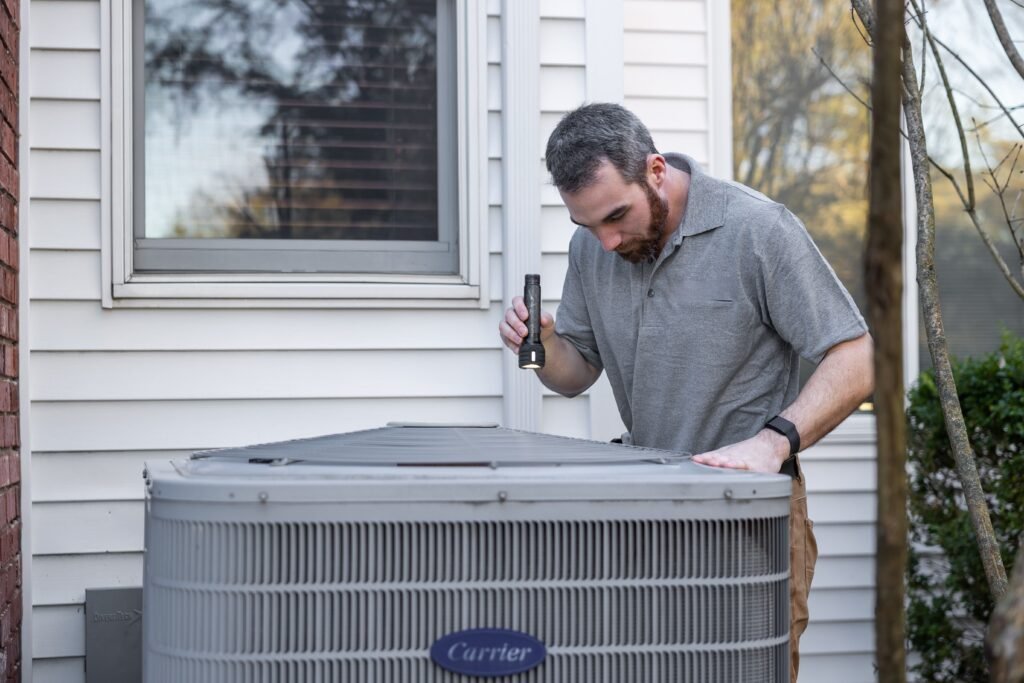
A heating and cooling system usually gives you some warning before a major problem develops. Changes in airflow, unusual sounds, inconsistent temperatures, or rising energy use can all suggest that something isn’t working as efficiently as it should. Recognizing these signs early can help prevent larger repairs and unexpected interruptions to indoor comfort.
Understand What Your Heat Pump Does
A heat pump provides both heating and cooling by transferring heat rather than producing it directly. During warmer weather, it moves heat from inside your home to the outdoors. When temperatures fall, the process reverses to bring heat indoors.
Because the same system can operate throughout much of the year, several components experience regular use. Compressors, coils, fans, electrical parts, and controls all need to work together for the system to maintain comfortable indoor temperatures.
When something begins to fail, you may notice changes before the system stops operating completely. Paying attention to those changes can give you time to address a smaller problem before it becomes a larger one.
Know When Professional Diagnosis Makes Sense
Recurring problems are often difficult to diagnose from symptoms alone because several HVAC issues can produce similar results.
For homeowners looking for heat pump repair, Haven Services provides professional heat pump services for problems involving system performance and comfort. Having a technician inspect recurring issues can help identify whether the cause involves airflow, controls, electrical components, refrigerant, or another part of the system rather than relying on repeated DIY fixes.
A professional service visit may include checking electrical connections, refrigerant conditions, coils, blower components, controls, and overall system operation.
Accurate diagnosis matters because weak airflow, poor temperature control, or frequent cycling can have several possible causes. Fixing the underlying problem is more useful than repeatedly treating the most obvious symptom.
Watch for Early Signs of Trouble
Many heat pump problems begin subtly. One room may feel warmer or cooler than usual, the system may run longer, or airflow from the vents may seem weaker.
Other warning signs include short cycling, unusual buzzing or rattling noises, unexplained increases in utility costs, unusual odors, or ice forming on the outdoor equipment when conditions don’t explain it.
A single unusual event doesn’t necessarily indicate a major mechanical problem. Repeated symptoms deserve more attention.
For example, frequent cycling could be connected to thermostat settings, airflow restrictions, equipment sizing, electrical issues, or other system problems. Rather than guessing at the cause, look for patterns in how the equipment behaves.
Understand Why Small Problems Can Become Expensive
A heat pump can sometimes continue operating even when it isn’t performing efficiently. That can make a problem easy to postpone because the house is technically still being heated or cooled.
Unfortunately, struggling equipment may run longer or place additional stress on important components.
A clogged filter is a simple example. Restricted airflow can make it harder for the system to distribute conditioned air. Dirty coils can also reduce performance, while refrigerant or electrical problems can interfere with normal operation.
Addressing these issues promptly may help reduce unnecessary strain on the system and make it easier to repair the underlying problem before other components are affected.
Check the Simple Things First
Not every comfort problem requires an immediate repair visit. There are a few basic things homeowners can safely check first.
Start with the thermostat. Make sure it is set to the correct mode and temperature, and replace its batteries if necessary.
Next, inspect the air filter. If it is dirty, replace or clean it according to the system manufacturer’s instructions. You can also make sure supply and return vents aren’t blocked by furniture, rugs, or other objects.
Outside, check that leaves and other debris aren’t restricting airflow around the unit. You can also check whether a circuit breaker has tripped.
If these basic steps don’t resolve the issue, or if the equipment continues freezing, making unusual noises, or struggling to maintain temperature, professional diagnosis may be appropriate.
Make Preventive Maintenance Part of Your Routine
Routine maintenance can reduce the likelihood of unexpected problems and help equipment operate efficiently.
The U.S. Department of Energy provides information about heat pump operation and energy-efficient use. Understanding the basics of how the equipment works can make it easier to recognize when performance begins to change.
Homeowners can also develop a few simple habits. Keep the outdoor equipment clear, pay attention to new noises, monitor changes in energy use, and inspect filters regularly.
Professional maintenance is useful as well because a technician can inspect components that aren’t practical or safe for homeowners to evaluate themselves.
The goal isn’t to prevent every possible repair. Mechanical equipment eventually experiences wear. Maintenance simply gives you a better opportunity to identify developing problems before they cause a sudden loss of heating or cooling.
Pay Attention to Airflow and Filters
Airflow is easy to overlook, but it has a major influence on heating and cooling performance.
According to the ENERGY STAR maintenance guidance, dirty filters can make heating and cooling equipment work harder and may contribute to higher energy costs or premature equipment problems.
Check filters regularly and follow the manufacturer’s replacement recommendations. Homes with pets, significant dust, or heavier system use may require more frequent attention.
Vents also need room to move air properly. Avoid covering them with furniture or other household items simply because the placement works better for the room.
Small maintenance habits like these can support better airflow without requiring major work.
Decide Whether Repair or Replacement Makes More Sense
A problem with a heat pump doesn’t automatically mean the entire system needs to be replaced.
If the equipment is relatively new and the issue involves a repairable component, fixing it may provide years of additional service. The decision becomes more complicated when an older system requires frequent repairs or struggles to maintain comfort efficiently.
Consider the age and condition of the equipment, frequency of previous repairs, estimated repair cost, and overall system performance.
Energy use can provide additional context. If utility costs have been increasing while comfort has been declining, ask a qualified technician whether a repair is likely to restore reliable performance or whether replacement deserves consideration.
Respond to Warning Signs Before Comfort Disappears
Home comfort problems are easier to manage when you notice them before the system stops working entirely.
Pay attention to unusual sounds, weak airflow, temperature changes, frequent cycling, unexpected energy use, and other changes in normal operation. Check simple causes first, keep up with routine maintenance, and seek professional help when symptoms persist.
A heat pump doesn’t need to fail completely before it deserves attention. Catching problems early can give you more time to understand the issue, consider your options, and make a practical decision without the pressure of an unexpected breakdown.
