


Whether you’re replacing an aging furnace, upgrading to a heat pump, or trying to solve comfort issues from room to room, picking the right HVAC professional can make the difference between a smooth project and a recurring headache. Auburn’s wet winters, mild summers, and mix of older and newer homes add practical wrinkles to heating and cooling decisions. This guide walks through climate-specific considerations, questions to ask before you hire, what to expect during installation, and how to keep your system running efficiently year-round so you can make confident, informed choices for your home.
How Auburn’s Climate Shapes Your System Choices
Our region’s cool, damp winters and moderate summer highs favor systems that handle steady, part-load operation efficiently. Many homes benefit from heat pumps especially modern, cold-climate models for both heating and cooling. Proper sizing is critical; oversizing short-cycles in mild weather wastes energy and causes uneven temperatures. If your home has areas that run cool in winter or warm in summer, ask about zoning or ductless mini-splits to fine-tune comfort room by room. To navigate these decisions with local insight, many homeowners consult Trusted HVAC contractors serving in Auburn, WA who understand common building styles and weather patterns.
Moisture management also matters here. In leaky or under-insulated homes, equipment can work harder just to keep up. Before replacing a system, consider simple envelope improvements air sealing around penetrations and adding attic insulation so you can potentially choose a smaller, more efficient unit. Good filtration and balanced airflow help reduce condensation on windows and keep indoor air fresher during long stretches of rainy weather.
Questions to Ask Before You Hire
Contractor interviews are worth the time. A thorough pro will perform a load calculation (often called Manual J) rather than relying on square-foot rules of thumb or your current system size. Ask how they size ductwork, what static pressure they measured, and whether they’ll verify airflow at startup. Start-up permits are required, and ask who will pull them. Request a written scope that lists equipment model numbers, efficiency ratings, thermostat type, duct changes, and what’s included in startup
Get clarity on warranties and responsibilities. Manufacturer warranties cover parts, but workmanship and labor are separate ask how long labor is covered and what the process looks like if something goes wrong in the first year. It’s also reasonable to ask how the crew will protect flooring, handle debris, and manage any refrigerant recovery per environmental rules. The goal is to choose a contractor who treats design, installation, and service with equal seriousness.
Preparing Your Home and What to Expect on Installation Day
A smooth install starts with access. Clear space around indoor and outdoor units, move cars if a driveway is needed for staging, and plan safe paths for equipment removal. If your panel box is tight on capacity and an electric heat pump is part of the plan, your contractor may coordinate with an electrician for any needed upgrades ask about timing so everything lines up. For ductwork changes, expect brief periods without heating or cooling. Pets and small children do best in a quiet room away from work areas.
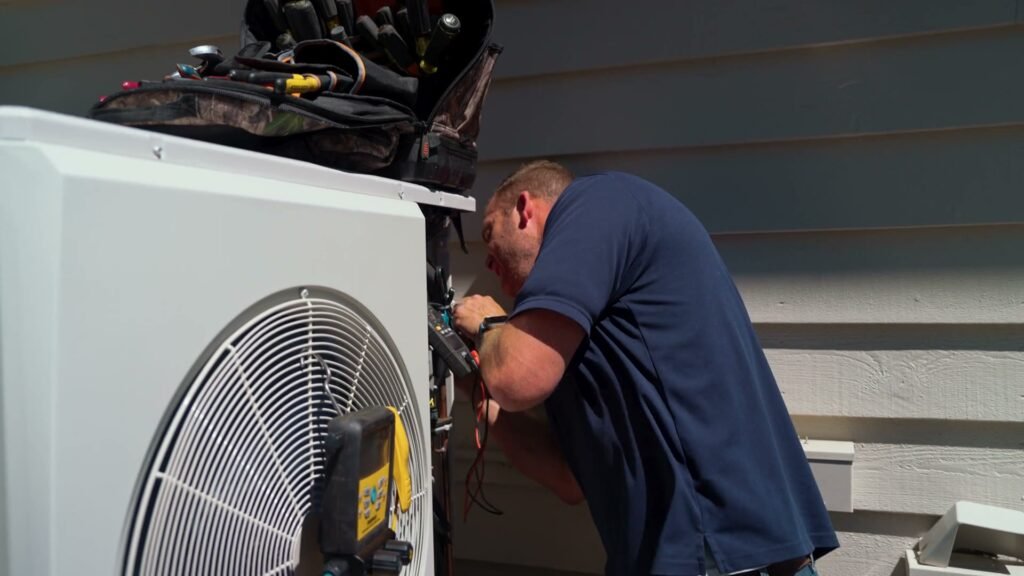
Quality control at startup is as important as the physical install. A good crew will check refrigerant charge, verify airflow, balance supply and return, and confirm that the thermostat programming aligns with the system type. If you’re switching from a single-stage furnace to a variable-speed heat pump, ask for a quick walk-through of new comfort settings, defrost behavior in winter, and how to use any energy-saving modes. Before the team leaves, you should have model numbers, warranty registration steps, and a recommended maintenance schedule in writing.
Maintenance That Pays Off Year-Round
Preventive care is cheaper than emergency calls. Change or clean filters regularly often every one to three months, depending on filter type and indoor air quality. Keep outdoor units free of leaves, grass clippings, and snow, maintaining at least a couple of feet of clearance for airflow. For heat pumps, gentle rinsing of outdoor coils in spring and fall can help, but avoid bending fins or using high-pressure sprays. Inside, ensure supply and return registers are open and unobstructed to keep airflow balanced.
Schedule professional service at least annually. A technician can test electrical components, check refrigerant levels, clean coils, verify combustion safety on gas appliances, and confirm the system’s controls sequence. Small corrections like tightening wire connections or recalibrating sensors can add up to better efficiency and fewer surprises. If you notice new noises, musty odors, short cycling, or unexplained energy spikes, don’t wait for the next tune-up window; early diagnosis prevents bigger repairs.
Efficiency Upgrades and When They Make Sense
Efficiency isn’t only about the equipment model number. Smart thermostats that actually match your system type (heat pump–specific models, for instance) can prevent unnecessary auxiliary heat use in winter. Duct sealing and insulation, particularly in attics and crawlspaces, often deliver comfort gains that rival equipment swaps, especially in older Auburn homes. If you’re planning window, insulation, or HVAC upgrades within the same year, it can be strategic to address the building shell first so you can right-size the new system.
If you’re eyeing a major upgrade, gather the big picture before you commit. Compare lifetime operating costs, not just the purchase price; ask for estimated annual energy use based on your home’s load, and factor in maintenance intervals. Some utilities and public programs periodically offer rebates for high-efficiency systems or weatherization measures. Availability changes over time, so it’s wise to check current program details before finalizing a scope. A contractor who’s familiar with documentation requirements can help you avoid missing out.
Red Flags and Green Lights During Bids
Beware of quotes that arrive without a site visit or load calculation, proposals that match your old equipment size, or bids that omit ductwork details when airflow issues are obvious. Pressure tactics and unusually low prices can signal corner-cutting on materials, labor time, or commissioning. On the positive side, clear written scopes, model specifics, commissioning checklists, and references from recent similar projects are good signs. Comparing two or three complete proposals side by side scope, efficiency, warranties, and commissioning steps usually reveals which team is set up to deliver a long-lasting result.
Choosing an HVAC contractor is ultimately about fit: technical competence, communication style, and the willingness to tailor solutions to your home. With Auburn’s climate and housing mix, success often comes from getting the fundamentals right accurate sizing, tight ducts, balanced airflow, and diligent startup backed by routine maintenance. If you approach the process with good questions, a realistic schedule, and an eye for quality details, you’ll be rewarded with steady comfort, healthier air, and energy bills that make sense for the long haul.
