


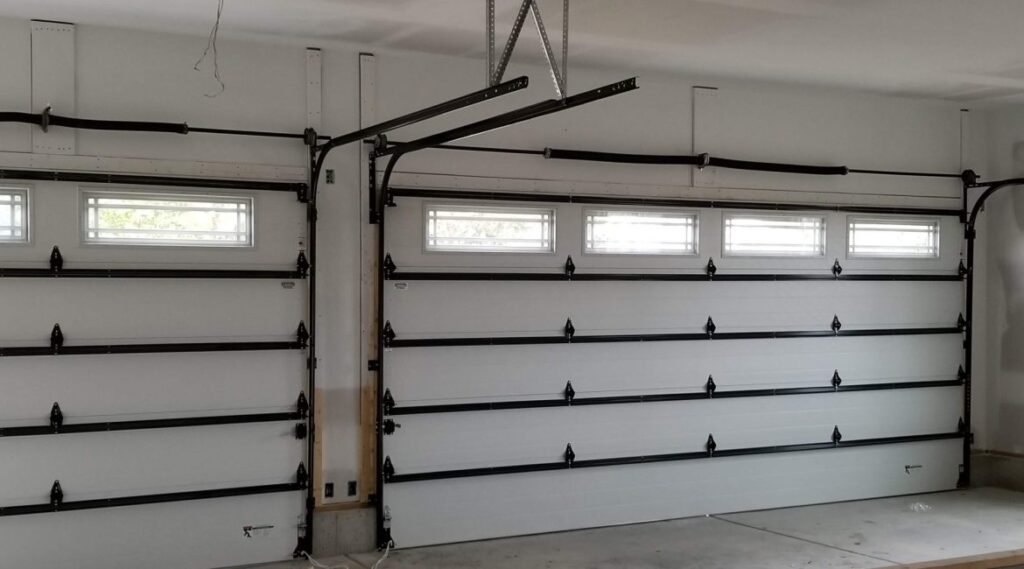
A garage door is the largest moving system in most homes, and it gives clear signals when something is off. Grinding rollers, a door that drifts open after you stop it, or panels that rub the track are all early warnings tied to specific components. Noticing these signs can prevent bigger failures like a snapped torsion spring, frayed lift cable, or a stripped opener gear. This guide helps homeowners read those signals, check a few things safely, and decide what to do next. No risky spring adjustments are included. Instead, you will learn practical inspections for tracks, rollers, photo-eyes, weatherstripping, and opener settings that protect both the door and the people who use it every day.
Early mechanical clues: noise, speed, and balance changes
Sudden changes in sound and motion usually point to wear or imbalance. Metallic squeals and rumbling often come from dry hinges or flat-spotted rollers. A slow start followed by a surge can indicate an opener force setting trying to overcome extra friction. To check balance safely, pull the emergency release cord with the door closed, then lift by hand to about waist height. A properly balanced door tends to stay near that point. If it slams down, drifts up, or feels heavier than usual, spring tension or cable routing deserves professional attention. When a test suggests a spring or cable issue, schedule service with a qualified technician such as Welborn Garage Door Repair rather than attempting adjustments yourself.
Look for a visible gap in a torsion spring coil, which indicates a break, or check extension springs for missing safety cables running through the middle. Either condition changes how weight transfers to the cables and drums, stressing the opener and bending top brackets. Another giveaway is an opener that labors more in the first foot of travel, when springs should be doing most of the lifting. If the opener rail flexes or the door pauses mid-travel under manual operation, the balance is off, and components like bearing plates, center brackets, or end bearings may need inspection.
Track and roller red flags you can see safely.y
Tracks guide the door, so small shifts cause scraping panels and crooked travel. Stand inside with the door closed and look at both vertical tracks. The track lips should be parallel, and the rollers should sit centered in the track, not riding hard against one side. Loose lag screws at jamb brackets or flag brackets can pull a track out of plumb, leaving a daylight gap at the back edge of the door. A single bent track section or a dent near a seam can make a roller climb and drop, which feels like a thump. Tighten loose fasteners you can reach safely, but avoid loosening track bolts or eyeballing a fix without measuring plumb and level.
Rollers wear in predictable ways. Nylon rollers are quieter, but their tires can flatten; steel rollers are louder but tolerate heat and dirt. Either type with a seized or gritty bearing will chatter, especially at hinges between panels. Spin rollers by hand with the door disconnected: they should turn smoothly without side play. Also watch hinges for cracked leaves or elongated screw holes, which let panels rack under load. Frayed lift cables near the bottom bracket, or cable strands collecting rust dust at the drum, are also urgent signs. Ignoring any of these issues can pull the door off its path.
When sensors and settings stop the door short
Photo-eye sensors sit near the floor on both sides of the opening. If their LEDs flicker, one eye shows a steady fault light, or the lens is dirty, alignment is off. People often discover this after moving a trash bin or bumping a sensor housing while sweeping. Clean the lenses with a microfiber cloth, then realign until the indicator lights are solid. Next, test the safety reversal: place a 1.5-inch-high object, such as a flat-lying 2×4, under the door and close it. The door should contact the object and immediately reverse. If it crushes down or keeps straining, the opener’s force and down-limit settings need attention.
Limits determine where the door starts and stops. If the down limit is set short, the door will reverse before reaching the concrete, leaving a gap under the weatherstrip. If it is set too far, the door can over-compress the bottom seal and reverse, appearing to “bounce” open. Seasonal changes and new bottom seals can alter these dynamics. Some homeowners chase a “sensor problem” that is really a limit setting that needs readjustment. If an opener keeps misreading resistance even after cleaning and alignment, the true cause may be heavier door weight from worn springs or sticky rollers rather than electronics.
Weather, weight, and material shifts that make doors bind
Materials respond to climate. Wood overlays can swell with humidity, making panels rub the tracks or header angle. Vinyl weatherstripping stiffens in cold and grabs the door skin, adding resistance in the last few inches of travel. Even insulated steel doors gain effective weight when ice builds on the bottom seal or when wind pressure hits a large surface area. If your door scrapes only after a storm or on frigid mornings, inspect the bottom seal for tears, shrinkage, or hard spots, and check the side seals for kinks that fold into the door path.
Two common scenarios illustrate this. First, a door that closes perfectly at night begins reopening two inches in the afternoon when sunlight hits one photo-eye. Glare can confuse some sensors; a simple sun shield or slight rotation of the sensor housing often resolves intermittent faults. Second, after a cold snap, a previously quiet door starts sticking during the final foot of descent. The culprit may be hardened lubricant on steel rollers combined with a bottom seal that has flattened and fused to the threshold. Replacing the seal, cleaning, and then relubricating moving parts with a garage-door-rated product restores smooth movement without changing spring tension.
Practical next steps and prevention without taking risks
Homeowners can do plenty safely. Lightly lubricate metal-to-metal contact points such as hinges, roller bearings, and spring coils with a silicone or lithium garage-door lubricant. Do not grease the track itself; debris will collect and create flats on rollers. Snug accessible fasteners on hinge leaves and track brackets, and confirm that the opener’s header bracket is tight to solid framing. Wipe photo-eye lenses, confirm they sit at the same height, and secure any loose low-voltage sensor wires with clips. Replace cracked bottom seals and brittle side weatherstripping so the door does not fight its own gaskets.
Leave torsion or extension spring adjustments, cable replacement, drum service, and track realignment to trained technicians. Springs are under significant torque, and a slipped winding bar or loosened set screw can cause severe injury. If your manual balance test fails, if you see a broken spring, or if cables are unraveling at the bottom brackets, stop operating the door and schedule service. Keep a log of cycle counts if your opener tracks them, or set a reminder to inspect hardware every six months. Routine care reduces opener strain, keeps safety systems working, and extends the life of panels, struts, and hardware.
A garage door that suddenly gets loud, slows down, or will not stay put is not being dramatic; it is using noise, friction, and alignment to tell you where to look. Quick checks of balance, rollers, track position, and sensor status often reveal the cause without guesswork. Handle cleaning, lubrication, and basic hardware tightening yourself, but call a professional for any spring, cable, or track corrections. Turning small signals into timely action protects your opener, keeps panels aligned, and prevents costly downtime for the busiest door in the house.
