


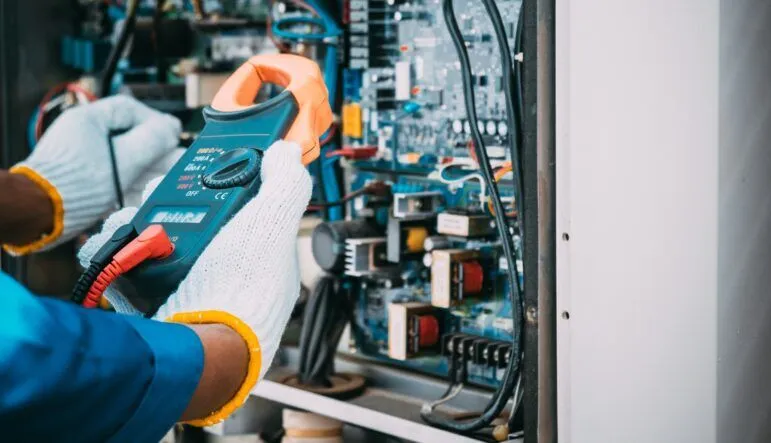
Electrical systems quietly power everything from kitchen appliances to streaming devices until something trips, flickers, or overheats. If you’re planning renovations, adding energy-hungry equipment, or simply noticing signs of strain, an electrical upgrade can improve safety, reliability, and day-to-day convenience. This overview explains how to recognize when your system needs attention, what upgrades make the biggest impact, how permitting and inspections typically work, and how to prepare your home so the work goes smoothly. You’ll come away with a practical understanding of the choices and steps involved, useful whether you live in a brand-new build or a mid-century home that’s had more than a few DIY surprises over the years.
-
Signals Your Electrical System Needs Attention
Electrical issues often start with small clues. Frequent breaker trips suggest your panel is hitting its limits, especially when multiple appliances run at once. Warm or buzzing outlets can indicate loose connections—dimming lights when the microwave or hair dryer turns on point to overloaded circuits. If you still have two-prong outlets, or there aren’t enough outlets where you need them, your wiring may predate current safety expectations. For many homes, bringing in a local electrician in Portland that residents rely on to perform a load calculation and safety check is the quickest way to understand what’s urgent and what can wait.
Age is another factor. Older homes may have panels that were sized for a different era’s needs. If your main breaker is rated below modern norms or the panel brand has a reputation for problematic breakers, replacement can be a safety upgrade as much as a capacity increase. Likewise, any visible damage, scorched outlets, cracked cover plates, or brittle wire insulation warrants prompt evaluation.
-
Planning the Scope: Panels, Circuits, and Capacity
Think of your electrical panel as mission control. Its amp rating and available breaker spaces determine how many circuits you can safely run. If you’re adding a high-demand appliance, an induction range, hot tub, electric water heater, or EV charger, your electrician may recommend a panel upgrade or a subpanel to supply new dedicated circuits. Dedicated circuits are required for many large appliances to prevent nuisance trips and overheating on shared lines.
Capacity planning starts with a load calculation that estimates current and future electrical demand. If you’re considering electrification projects, like replacing gas appliances with electric alternatives or installing an EV charger, it’s smart to plan panel capacity with a cushion. In some cases, load management devices or time-of-use settings can help avoid a full service upgrade by staggering when high-draw equipment operates.
-
Safety Devices You Shouldn’t Skip
Modern safety devices reduce shock and fire risks dramatically. Ground-fault circuit interrupter (GFCI) protection is required in areas where water and electricity are likely to mix, such as kitchens, bathrooms, garages, basements, and outdoor locations. Arc fault circuit interrupter (AFCI) protection helps detect dangerous arcing conditions that may not trip a standard breaker, especially in bedrooms and living areas. Many newer breakers combine both functions where code requires or when conditions make it a prudent choice.
Surge protection is another worthwhile upgrade. Whole-home surge protective devices mounted at the panel help protect sensitive electronics from voltage spikes caused by storms, utility issues, or large motors cycling on and off. Point-of-use surge strips add a secondary layer, but panel-level protection helps safeguard the entire home’s wiring and appliances, including hardwired equipment that plug-in strips can’t cover.
Permits, Inspections, and Codes: What Homeowners Should Expect
Electrical work typically requires permits and inspections to ensure it meets code and safety standards. While the specifics vary by jurisdiction, the general process includes submitting permit applications, performing the work, and scheduling inspections at key milestones, often a rough-in inspection before walls are closed and a final inspection when everything is installed and labeled. Reputable electricians handle permitting and coordinate with local inspectors as part of the project.
Codes evolve to reflect better safety knowledge and new technology, so what passed muster decades ago may not be acceptable today. Expect updates such as adding tamper-resistant receptacles in living spaces, ensuring proper grounding and bonding, and upgrading wiring methods when walls are open. If a remodel exposes older noncompliant wiring, inspectors may require corrections beyond the immediate project area to maintain a consistent safety baseline. Building this possibility into your budget and timeline minimizes surprises once work is underway.
Kitchen, Bath, and EVs: Common Upgrade Scenarios
Kitchens and bathrooms push electrical systems hard. Modern kitchens often need multiple 20-amp small appliance circuits, a dedicated microwave circuit, and individual circuits for dishwashers and disposals. Under-cabinet lighting and range hoods add to the count. In bathrooms, GFCI protection is mandatory, and dedicated circuits for high-wattage hair tools or heated floors can prevent nuisance trips and overheating on shared lines.
Electric vehicle charging is another driver of upgrades. A Level 2 charger (often 240V, 30 to 60 amps) usually requires a dedicated circuit and may prompt a panel or service capacity review. Locating the charger near the panel can reduce installation costs, but safety and code placement rules come first. If panel capacity is tight, solutions include load management systems that dynamically adjust charging based on household demand.
Preparing Your Home and Budget
Good preparation speeds up installation and helps avoid change orders. Before work begins, make an inventory of major appliances and planned additions over the next five to ten years to inform load calculations. Clear access to the panel, attic, crawlspaces, and key rooms where work will occur. Discuss preferences for outlet placement, smart switches, dimmers, and lighting controls. If walls will be opened, consider bundling other upgrades like low-voltage wiring or additional receptacles while access is easy.
Budgeting is easier when you understand what drives cost: panel size, number of new circuits, wiring length and complexity, finish work (patching and paint), and permit fees. Hidden conditions, such as brittle insulation, ungrounded wiring, or cramped panel space, can add time and materials. Asking for a detailed scope that lists components and code-driven requirements helps you compare bids more accurately and plan contingencies.
Maintenance and Long-Term Reliability
Once upgrades are complete, a little care goes a long way. Label every breaker clearly so you can isolate circuits quickly if a problem occurs. Test GFCI and AFCI devices periodically using their built-in test buttons. Keep large appliances on their dedicated circuits and avoid daisy chaining power strips. If you notice heat, odor, buzzing, discoloration, or persistent tripping, schedule an evaluation rather than resetting repeatedly; those are symptoms, not solutions.
Upgrading your electrical system is ultimately about safety, comfort, and flexibility as your home’s needs evolve. With a solid plan, respect for permitting and inspections, and smart choices like GFCI/AFCI protection and surge suppression, you set up your home for reliable performance today and capacity for tomorrow’s projects, without scrambling the next time the lights flicker or a new appliance arrives.
