


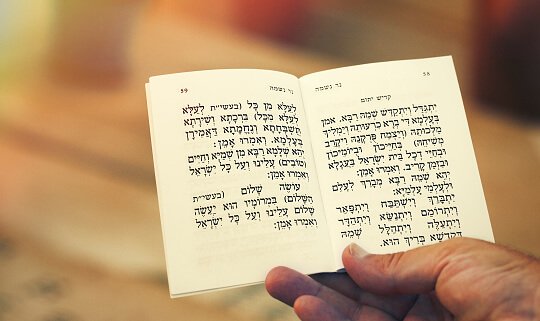
Kaddish is one of the most recognized Jewish prayers, often associated with mourning and remembrance. Yet many people are surprised to learn that its words don’t mention death at all; instead, the prayer magnifies and sanctifies the Divine Name. Whether you plan to say Kaddish yourself or want to understand what it means and how communities support mourners, this guide offers a clear overview. You’ll learn what Kaddish is, who typically recites it and when, practical steps for participating, options when you can’t be physically present, and ways to honor a loved one’s memory over time.
What Kaddish Is and Isn’t
Kaddish is a doxology, a public declaration of faith and praise recited in the presence of a minyan, a quorum of ten Jewish adults. The version most associated with mourning is known as Mourner’s Kaddish. Its themes highlight continuity, community, and hope. Because it is a communal prayer, Kaddish is responsive: the person reciting it leads, and the congregation answers with set phrases, including “Amen” and the well-known “Yehei Shmei Rabbah.” If attending a minyan regularly is not feasible due to distance or health, some rely on a kaddish prayer service arranged to ensure the prayer is said in a synagogue setting on behalf of the deceased.
Who Recites It and When
In many communities, the mourners who say Kaddish include children for a parent and, in some customs, close relatives for the deceased. The primary mourning period for a parent commonly lasts eleven months from the burial, reflecting sensitivity about not labeling the deceased as entirely wicked (a concept tied to traditional sources). For other relatives, Kaddish is often recited for thirty days. After the formal mourning period, mourners typically say Kaddish again each year on the yahrzeit, the anniversary of the loved one’s passing, as a way to renew memory and connection.
Because Kaddish is inherently communal, it requires a minyan. This point shapes much of the practical planning: choosing where you will daven (pray), what service times you can attend, and how you will manage travel, work, or school logistics. If your schedule is variable, some synagogues can advise on the best minyanim to catch during the week and on Shabbat, helping you maintain a steady rhythm of recitation.
Preparing to Say Kaddish
Preparation begins with familiarizing yourself with the text. Many prayer books include transliteration and translation; learning the rhythm and common cues will make public recitation more comfortable. If Hebrew reading is new to you, short, focused practice sessions can quickly build confidence. It also helps to observe the service beforehand, noticing when the leader or gabbai signals the mourner to begin, and how the congregation responds. Kaddish is recited multiple times during a typical service knowing which instances are customary for mourners will reduce confusion.
There are customary practices connected to posture and decorum. In many communities, mourners stand while reciting Kaddish; if you’re unsure, a simple question to the rabbi or gabbai will clarify local custom. Project your voice clearly, but there’s no need to shout; the aim is to be audible to the minyan without breaking the flow of the service. If multiple mourners are present, reciting together in unison is common. The congregation’s responses are integral pausing slightly before lines that typically trigger a response ensures everyone can join in at the right moments.
When You Can’t Be There in Person
Life doesn’t always align neatly with the requirements of a minyan. Travel, caregiving, remote location, health concerns, or limited local service times can make daily attendance difficult. If you can’t reliably get to a minyan, speak with a rabbi about options. One approach is to coordinate with a synagogue where Kaddish can be recited for your loved one during the required period. This arrangement preserves the core communal nature of the prayer recited in a minyan while honoring your intent to uphold the tradition.
Some mourners also split responsibilities: they attend when able and arrange coverage for days they cannot. Keeping a simple tracker marking services attended and days covered can reduce worry. If coordinating across time zones, remember that Jewish days begin at sundown; clarify the local calendar times with the synagogue to avoid missed dates. Many communities also provide yahrzeit reminders via email or printed notices to help you prepare for the anniversary each year.
Participation, Presence, and Community
While the text of Kaddish is fixed, the experience is profoundly communal. Regular attendance nurtures relationships with clergy, fellow congregants, and other mourners who can offer encouragement during emotional moments. Consider arriving a few minutes early to settle in and staying a bit afterward for a brief word with the rabbi or a friendly chat; the informal support can be as meaningful as the formal prayer.
If several mourners are present, be patient and collaborative. When voices inevitably fall out of sync, listen for the main thread and rejoin calmly. If you’re late to a service, discreetly ask whether there will be another opportunity for Kaddish rather than interrupting. And if you’re not the one reciting, be generous with your “Amens” and responses; the mourner’s prayer is designed to be said together.
Honoring a Loved One Over the Long Term
Kaddish is a centerpiece of the mourning journey, but it is not the only avenue of remembrance. Many people mark the yahrzeit by sponsoring a study session, attending services, doing an act of charity, or learning Mishnah or other texts in the loved one’s memory. Small, consistent practices lighting a yahrzeit candle at home, revisiting a teaching the person cherished, sharing their stories with younger family members keep memory vivid beyond formal periods.
Ultimately, Kaddish stands at the intersection of personal grief and communal strength: an individual voice carried by a community’s responses. If you can attend a minyan, the discipline of showing up can be grounding. If you cannot, arranging for the prayer to be recited in a synagogue ensures your loved one’s memory is honored within the framework that gives Kaddish its meaning. Whichever path you follow, planning, asking questions, and staying connected to a community will help you uphold tradition with dignity and care.
