


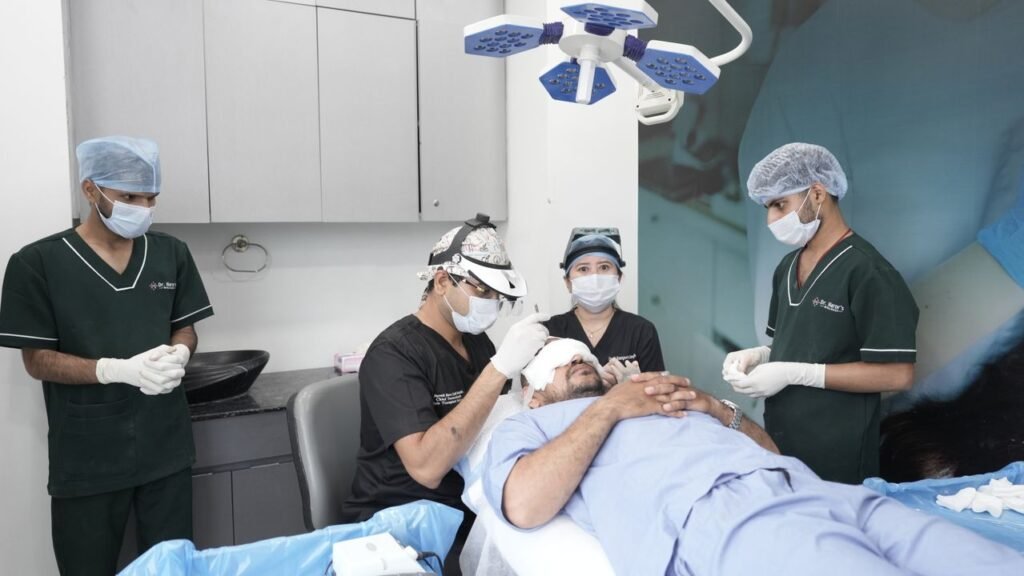
Hair loss can change how you feel about your appearance, but deciding whether to treat it deserves more thought than comparing before-and-after photographs. In Hallandale Beach, Florida, the population reached an estimated 42,698 in 2025, reflecting a community where people at different life stages may be weighing personal health and appearance decisions. Hair transplantation can offer lasting improvement for suitable candidates, but it is still surgery. Understanding the cause of thinning, the available techniques, and the limits of treatment helps you approach consultations with realistic expectations rather than pressure to commit.
Understand Your Hair Loss Before Choosing a Solution
Not every thinning area has the same cause. Hereditary pattern hair loss is common, but medication effects, hormonal changes, inflammatory scalp conditions, and some illnesses can also affect growth. A transplant cannot resolve every underlying problem, and certain conditions should be treated before surgery is considered.
A proper evaluation looks beyond the hairline. It may include questions about the pace of shedding, family history, medications, scalp symptoms, and earlier treatments. Depending on the findings, a clinician may recommend further testing. Understanding the diagnosis first helps prevent spending money on a procedure that does not address the real issue.
Evaluate Whether You Are a Suitable Candidate
The quality and amount of donor hair set practical limits on coverage. Scalp health, medical history, age, and the likely progression of hair loss matter too. Someone whose hair is still thinning rapidly may need a different timeline from someone with a more established pattern.
If you are considering a hair transplant in Hallandale Beach, use the consultation to discuss those limits rather than focusing only on a projected hairline. Ask whether the proposed number of grafts is realistic, what donor-area changes to expect, and how continued loss of untreated hair might affect the appearance years later. A responsible assessment should leave room for the possibility that surgery is not yet the right choice.
Learn What the Surgery Can Actually Change
Hair transplantation relocates follicles from a donor area, typically toward the back or sides of the scalp, into areas where hair has thinned. The procedure redistributes existing hair; it does not manufacture new follicles.
Two commonly discussed approaches are follicular unit extraction, or FUE, which removes individual follicular units, and follicular unit transplantation, or FUT, which removes a strip of donor scalp before graft preparation. Both can leave scars, though their patterns differ. Neither is automatically the better option for everyone.
A convincing result depends on appropriate graft handling, placement direction, donor supply, and thoughtful hairline design. A technique’s popularity should never replace individualized surgical planning.
Ask Who Will Perform the Important Steps
A reassuring consultation should explain who diagnoses the condition, designs the hairline, extracts grafts, creates recipient sites, and oversees placement. The answers matter because surgical judgment and careful technique can influence both safety and the final appearance.
Review credentials and experience with patients whose hair texture and loss pattern resemble yours. Request consistent photographs showing the donor area as well as the finished hairline. You can also read about how surgeon selection affects natural-looking transplant results before comparing consultations.
Be cautious of guarantees about density or claims that a particular method leaves absolutely no signs of surgery. Every patient heals differently, and even well-performed procedures have limitations.
Plan for Recovery Rather Than Instant Results
The day of surgery is only the beginning. Tenderness, swelling, small scabs, and temporary restrictions on activity may follow. Your care team should explain how to wash the scalp, protect the grafts, and recognize symptoms that need prompt attention.
Transplanted hairs commonly shed in the weeks after surgery. That can be alarming unless you understand that new growth takes time. Visible improvement often emerges over several months, and the final appearance may take around a year to assess.
Arrange work and social commitments around the actual recovery instructions, not advertising promises. Even procedures that avoid extensive shaving still require wound healing and careful aftercare.
Consider the Risks Alongside the Benefits
Surgery carries possibilities such as infection, bleeding, scarring, uneven growth, and an unnatural-looking hairline. Some existing hairs may temporarily shed after the procedure, while transplanted grafts may not all grow as expected.
Ask how complications are managed and what follow-up visits include. Clarify whether corrective treatment would cost extra and what the clinic can realistically promise. The price quoted at the start may not reflect every possible future expense.
It is reasonable to take time between consultation and decision. Feeling rushed is a reason to ask more questions, not to pay a deposit immediately.
Look at Non-Surgical Treatment as Part of the Picture
A transplant can move hair into thinning areas, but it does not necessarily stop hair loss elsewhere. Depending on the diagnosis, treatments such as minoxidil or prescription medication may help preserve existing hair. These approaches have different benefits, side effects, and suitability considerations.
Learning about how hair-loss treatments are selected after diagnosis can help you frame questions about whether medical treatment, surgery, or a combination makes sense. Do not start prescription treatment without appropriate medical advice.
Long-term planning is particularly important when a restored hairline could eventually sit beside areas that continue to thin.
Make the Decision on Your Own Timeline
The right goal is not to recreate an old photograph strand for strand. It is to decide whether an achievable improvement justifies the cost, healing time, maintenance, and potential risks for you.
Compare more than one qualified opinion when possible. Ask for an explanation of what can be achieved with your donor supply, what cannot be promised, and what the next decade might look like if thinning continues.
A hair transplant may be worthwhile for the right person, but choosing carefully is part of achieving a satisfying result. The strongest decision comes from knowing your diagnosis, understanding the trade-offs, and feeling comfortable saying yes, no, or not yet.
