


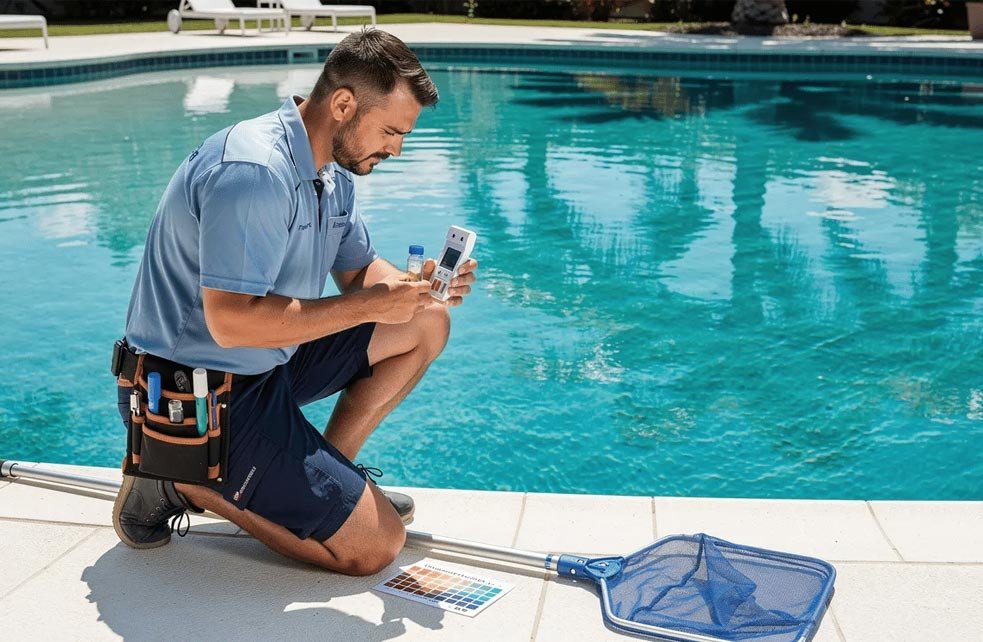
A swimming pool can provide a valuable space for relaxation, exercise, recreation, and entertainment, but keeping it in excellent condition requires consistent attention. Pool water is continuously exposed to dirt, leaves, insects, sunlight, weather changes, and swimmer-related contaminants. At the same time, pumps, filters, heaters, plumbing, drains, skimmers, and other equipment must operate correctly to keep the water circulating and clean. Without regular care, minor issues can quickly become more complicated problems that affect water quality, equipment performance, and the overall condition of the pool. A professional approach to pool maintenance helps property owners manage these responsibilities through routine cleaning, water testing, equipment inspections, preventive care, and timely repairs.
Effective maintenance is not simply about making a pool look attractive. It involves protecting the complete pool system and creating conditions that support clean water, efficient circulation, and dependable equipment operation. A consistent maintenance schedule can also help identify developing problems before they become emergencies. By paying attention to both visible and hidden components, property owners can protect their investment and enjoy their swimming pool with greater confidence throughout the season.
Why Consistent Pool Care Is Essential
Swimming pools require regular care because conditions can change quickly. A pool that looks clean one day can collect significant debris after wind or rain, while water chemistry can shift because of sunlight, temperature, swimmer activity, and other factors. If these changes are ignored, the water may become cloudy, algae may develop, or surfaces and equipment may begin to deteriorate.Routine maintenance helps keep these conditions under control. Skimming, brushing, vacuuming, water testing, filter cleaning, and equipment inspections all contribute to better pool performance. Regular service also allows technicians to notice unusual changes, such as declining water flow, unusual pump noises, excessive water loss, or changes in water clarity.Preventive attention is often more effective than waiting until a problem becomes severe. Addressing a dirty filter or minor circulation issue early may help prevent additional stress on the pump and other equipment. A consistent maintenance routine therefore supports both short-term cleanliness and long-term system protection.
Maintaining Balanced Pool Water
Water chemistry is one of the most important elements of swimming pool care. Properly treated water helps provide a more comfortable environment for swimmers while protecting the pool surface, plumbing, and equipment. When water chemistry becomes unbalanced, problems such as algae, cloudy water, scaling, corrosion, and swimmer irritation can develop.Regular testing is essential because water appearance alone does not provide enough information about its condition. A pool may look clear while still having chemical levels that need adjustment. Professional technicians can test the water and determine what treatment is appropriate based on the current conditions.Maintaining balanced water also supports equipment performance. Poorly managed water can contribute to mineral deposits or corrosion that affect components over time. Consistent water treatment helps reduce these risks and supports the long-term condition of the pool.
Removing Leaves and Floating Debris
Debris removal is one of the most basic but important maintenance tasks. Leaves, grass, insects, pollen, dirt, and other materials can enter the pool regularly. If they remain in the water, they can eventually sink and decompose, contributing to contamination and placing additional demand on filtration equipment.Regular skimming removes floating materials before they have an opportunity to settle. Skimmer baskets should also be emptied as needed so that water can move efficiently through the circulation system. A clean skimmer helps prevent unnecessary restrictions and supports proper water flow.The amount of debris a pool receives depends on its surroundings and weather exposure. Pools located near trees or vegetation may require more frequent cleaning than pools in open areas. A customized maintenance schedule can account for these differences.
Brushing Pool Walls and Steps
Dirt, oils, mineral deposits, and algae can accumulate on pool walls, steps, corners, and other surfaces. Areas with limited circulation can be particularly susceptible to buildup. Regular brushing helps loosen contaminants so they can be removed through filtration and vacuuming.The correct brush and cleaning method depend on the pool surface. Plaster, tile, fiberglass, concrete, and other materials have different maintenance requirements. Using unsuitable tools or excessive force can cause unnecessary wear.Brushing should be performed consistently rather than only after visible algae appears. Routine surface cleaning helps prevent buildup and supports better overall water quality. It also makes the pool easier to inspect for cracks, stains, loose tiles, or other changes that may require attention.
Vacuuming the Pool Floor
Not all debris remains on the surface. Dirt, sand, leaves, and other particles can settle at the bottom of the pool, especially in areas with weaker circulation. Regular vacuuming helps remove this material before it becomes difficult to manage.A clean pool floor improves appearance and reduces the amount of debris circulating through the filtration system. Depending on the pool’s design and equipment, cleaning may be performed manually or with an automated system.Vacuuming also creates an opportunity to inspect the pool floor. When debris is removed, surface cracks, unusual stains, rough areas, or other potential concerns become easier to see. Early identification can make it possible to address problems before they become more extensive.
Caring for Pool Filters
The filter is responsible for removing suspended particles and contaminants from the water. As it collects debris, its efficiency can gradually decline. A filter that is not maintained properly may restrict water flow, reduce water clarity, and place additional strain on the pump.Different filtration systems have different maintenance requirements. Cartridge filters may require cleaning or replacement, while sand and other filtration systems require different procedures. Professional technicians can evaluate the filter and perform the appropriate maintenance based on its design and condition.Keeping the filter in good working order is essential for maintaining clear water. It also supports efficient circulation and helps prevent the pump from working harder than necessary.
Maintaining the Pool Pump
The pump is a central part of the circulation system because it moves water through the filter and other equipment. Proper circulation helps distribute treatment products and transport contaminants toward the filtration system.Warning signs such as unusual sounds, vibration, leaks, overheating, weak water flow, or difficulty starting should be investigated. These symptoms may indicate mechanical wear, blockages, damaged seals, electrical problems, or other issues.Regular inspection can help identify pump problems before a complete failure occurs. Keeping baskets and filters clean also helps reduce stress on the pump by allowing water to move through the system more efficiently.
Inspecting Pool Plumbing
Pool plumbing connects the pool to pumps, filters, heaters, drains, and other components. A plumbing problem can reduce circulation, cause water loss, or affect equipment performance.Visible plumbing connections, valves, fittings, and pipes should be checked for leaks or signs of deterioration. Unusual pressure, air bubbles, reduced water flow, or unexplained water loss may indicate a problem that requires further investigation.Some plumbing issues occur underground or in areas that are difficult to access. Professional evaluation may be necessary to locate the source and determine the correct repair. Addressing plumbing problems early can help prevent additional stress on the circulation system.
Monitoring for Water Leaks
A certain amount of water loss is normal because of evaporation, splashing, and regular use. However, significant or persistent water loss can indicate a leak. Ignoring a leak may result in continued water waste and could potentially affect nearby structures or equipment.Leaks may occur in plumbing lines, fittings, equipment connections, pool surfaces, or other components. Some are easy to see, while others require specialized detection methods.Regular monitoring of water levels can help identify unusual changes. If a pool consistently loses more water than expected, professional inspection can help determine the cause and recommend an appropriate solution.
Keeping Waterline Areas Clean
The waterline is one of the most visible areas of a swimming pool and can develop buildup from oils, minerals, dirt, and other contaminants. Over time, this can create a noticeable ring or discoloration around the pool.Regular cleaning prevents these deposits from becoming difficult to remove. The appropriate cleaning technique depends on the pool’s surface and the type of buildup present.Keeping waterline areas clean improves the appearance of the pool and can also help prevent accumulated material from entering the water. It is a small part of maintenance that can make a noticeable difference in overall cleanliness.
Preventing Algae Growth
Algae can become a significant problem when water chemistry, circulation, or cleaning is neglected. Green or other forms of algae can make the water unattractive and may require extensive treatment once established.Preventive maintenance is one of the best ways to reduce the likelihood of algae growth. Regular brushing, filtration, debris removal, and appropriate chemical treatment help create conditions that discourage algae.If algae does appear, the cause should also be considered. Recurring algae may indicate inadequate circulation, filtration problems, or water chemistry issues. Treating the visible growth without correcting the underlying condition may result in repeated problems.
Managing Cloudy Pool Water
Cloudy water can have several causes. Poor filtration, chemical imbalance, excessive debris, inadequate circulation, and swimmer-related contaminants can all affect water clarity.The first step should be identifying the cause rather than simply adding chemicals. Filter performance, water chemistry, circulation, and overall contamination should be evaluated.Professional maintenance can help determine why cloudiness is occurring and establish the appropriate corrective steps. Once the underlying problem is resolved, routine cleaning and water treatment can help maintain clearer conditions.
Maintaining the Pool Deck and Surrounding Area
Pool maintenance should also include the area surrounding the water. Leaves, dirt, grass, and other materials on the deck can eventually enter the pool. Keeping these areas clean reduces the amount of debris introduced into the water.Pool decks and steps may also develop slippery buildup, dirt, or algae. Regular cleaning helps maintain a more attractive and usable environment.The surrounding area should also be inspected for damaged surfaces, loose coping, broken tiles, or other concerns. Addressing these problems as part of routine maintenance helps keep the entire pool environment in better condition.
Caring for Pool Heaters
A pool heater can extend comfortable swimming time, but heating equipment requires proper care. Mechanical, electrical, or circulation problems can affect heater performance.Warning signs can include inconsistent temperatures, unexpected shutdowns, unusual noises, or difficulty reaching the desired temperature. These issues should be investigated rather than repeatedly resetting the equipment without identifying the cause.Regular inspection can help detect wear before a complete heater failure. If a system becomes outdated or requires frequent repairs, professional guidance can help determine whether continued repair or replacement is more practical.
Inspecting Pool Lights and Electrical Equipment
Pool electrical components require careful attention because they operate around water. Lights, pumps, heaters, timers, controls, and other electrical systems should be inspected when they show signs of malfunction.Flickering lights, repeated breaker trips, damaged wiring, or unexpected equipment behavior should be evaluated by a qualified professional. Property owners should avoid complex electrical repairs without appropriate expertise.Routine inspection supports reliable equipment operation and helps identify concerns before they become larger safety or performance issues.
Seasonal Pool Opening and Closing
Seasonal preparation is an important part of long-term pool care. Opening a pool after an extended period of inactivity involves inspecting equipment, removing debris, restoring circulation, testing water, and cleaning surfaces.Closing a pool requires a different set of procedures designed to protect water, plumbing, equipment, and surfaces during periods of limited use. Proper preparation can reduce the possibility of damage and make reopening easier.Professional seasonal services can help ensure that these procedures are completed according to the specific pool system. This is especially useful when the pool has complex equipment or requires specialized preparation.
Benefits of Professional Pool Maintenance
Maintaining a pool independently can require considerable time and technical knowledge. Property owners may need to test water, remove debris, brush surfaces, vacuum the pool, clean filters, inspect equipment, and respond to changing conditions.Professional Pool Maintenance services provide a structured way to handle these responsibilities. Experienced technicians can complete routine tasks while monitoring the condition of the pool and its equipment.Professional service can also provide continuity. When a technician regularly maintains the same pool, they can become familiar with its normal operating conditions and identify changes more easily. This can help detect developing problems before they result in major repairs.
Why Preventive Maintenance Can Reduce Repair Costs
Preventive maintenance focuses on identifying and addressing concerns before they become serious. A dirty filter, minor leak, worn pump component, or developing water quality issue may be relatively simple to correct when discovered early.If these problems are ignored, they can place additional stress on connected equipment. A small circulation issue, for example, may eventually affect filtration and water quality. Early intervention can reduce the likelihood of these chain reactions.Routine maintenance can also make future expenses easier to plan. Equipment has a limited service life, but regular inspections provide information about its condition. Property owners can prepare for replacement or major repairs instead of dealing with unexpected failures.
Creating a Customized Maintenance Schedule
Every pool has unique maintenance requirements. Pool size, equipment type, environmental conditions, surrounding vegetation, swimmer activity, and weather exposure can all influence how frequent maintenance should be performed.A customized schedule may include frequent debris removal, regular water testing, surface brushing, vacuuming, filter care, equipment inspections, and seasonal services. Pools that receive heavy use may require more frequent attention.Professional technicians can help establish a schedule based on actual conditions. The routine can then be adjusted when pool usage or environmental factors change.
Choosing a Reliable Pool Maintenance Provider
Selecting the right service provider can make a significant difference in the long-term condition of a pool. Property owners should look for professionals who understand cleaning, water chemistry, filtration, circulation, pumps, plumbing, heaters, and other important systems.Communication should be clear and transparent. A reliable provider should explain the work being performed, identify problems when they are discovered, and provide practical recommendations.Comprehensive knowledge is particularly valuable because pool problems are often interconnected. A professional who understands the complete system can determine whether a water quality issue is related to filtration, circulation, chemistry, or another factor.
Protecting Your Pool Investment
A swimming pool represents a significant investment, and regular care helps protect that investment. Clean water, properly maintained surfaces, efficient equipment, and reliable circulation all contribute to the long-term usability of the pool.Consistent maintenance can also make the pool more enjoyable. Property owners are less likely to encounter unexpected problems when the system is regularly inspected and serviced.Instead of treating maintenance as an occasional chore, it should be viewed as an ongoing strategy for protecting the entire pool system. Preventive care can help extend equipment life, reduce unnecessary repairs, and preserve the appearance of the swimming environment.
Conclusion
Proper pool care requires consistent attention to water chemistry, cleaning, circulation, filtration, equipment, plumbing, surfaces, and seasonal needs. Skimming debris, brushing walls, vacuuming the floor, maintaining filters, monitoring water levels, inspecting pumps, and addressing leaks are all important parts of keeping a pool in excellent condition. Ignoring these responsibilities can lead to cloudy water, algae, equipment wear, surface damage, and unexpected repair costs.Professional pool maintenance provides a dependable way to manage these responsibilities while also monitoring the condition of the complete system. Regular service helps property owners identify developing problems early, protect expensive equipment, and maintain a cleaner and safer swimming environment. By establishing a consistent maintenance schedule and responding promptly to warning signs, property owners can preserve their pool’s performance and appearance while enjoying a more comfortable and reliable swimming experience for years to come.
