


A reliable furnace is an important part of a comfortable and functional indoor environment, particularly when a home or commercial property depends on consistent heating throughout the colder months. When a furnace begins experiencing performance problems, the issue can affect more than indoor temperature. Reduced heating capacity, inconsistent airflow, unusual sounds, frequent cycling, and unexpected shutdowns can disrupt daily routines and may indicate that the equipment requires professional attention. Because a furnace contains mechanical, electrical, airflow, and safety-related components, even a problem that appears minor at first may eventually affect the overall performance of the heating system. Understanding the common causes of furnace problems and recognizing the value of timely professional service can help homeowners and property managers protect their equipment, restore indoor comfort, and make informed decisions about future heating needs.
Many furnace problems do not occur without warning. In some cases, the system may begin producing unusual noises, take longer to heat the building, or cycle on and off more frequently than normal. These changes may initially seem unimportant, but they can indicate that one or more components are no longer operating as intended. Ignoring developing concerns can sometimes allow additional stress to affect connected parts of the heating system. A professional inspection can help identify the cause of the problem before it develops into a complete system failure. Prompt attention may also reduce the inconvenience associated with losing heat unexpectedly during a period when dependable indoor warmth is especially important.Every furnace operates as part of a larger HVAC system. The thermostat communicates the desired temperature, the furnace generates heat, the blower helps move air, and the ductwork distributes warm air throughout the property. When one part of this process is affected, the entire system may experience reduced performance. For example, restricted airflow can make it difficult to distribute warm air effectively, while a malfunctioning control can prevent the equipment from responding properly to thermostat settings. This is why accurate diagnosis is an essential part of any heating service. A qualified HVAC technician can inspect the equipment and determine whether the issue involves the furnace itself or another connected component within the overall heating system.
Recognizing the Early Signs of Furnace Problems
One of the most important ways to protect heating equipment is to pay attention to changes in its normal operation. A furnace that previously maintained comfortable temperatures but suddenly struggles to heat the building may require professional evaluation. Reduced heating performance can result from several different causes, including airflow restrictions, mechanical wear, thermostat concerns, electrical problems, or other system issues. Because multiple problems can create similar symptoms, homeowners should avoid assuming that a single cause is responsible without a proper inspection.
Uneven heating is another common sign that the HVAC system may need attention. Some rooms may remain comfortable while others consistently feel colder than expected. In some cases, the problem may involve the furnace, but uneven temperatures can also be influenced by ductwork, insulation, airflow, or the layout of the building. A complete evaluation can help determine which part of the heating system is contributing to the comfort problem and what type of service may be appropriate.
Unusual sounds should also be monitored carefully. A furnace may produce normal operating sounds, but loud banging, rattling, grinding, squealing, or repeated clicking can indicate that a component requires attention. Mechanical parts naturally experience wear over time, and a damaged or loose component may create noise before a complete failure occurs. Addressing these symptoms promptly can help prevent unnecessary stress on the heating equipment and may reduce the possibility of a more extensive repair.Frequent cycling can also indicate an operational concern. A furnace normally turns on and off according to the thermostat setting, but unusually short or repeated heating cycles may suggest an issue involving airflow, controls, thermostat operation, or other system components. A qualified HVAC technician can inspect the equipment and identify the underlying cause rather than relying only on the visible symptom.
Understanding the Common Causes of Furnace Failure
Furnaces can develop problems for many different reasons, and normal mechanical wear is one of the most common factors. Motors, electrical components, ignition systems, blowers, and other important parts can gradually deteriorate after years of regular operation. The amount of wear experienced by a furnace can depend on system age, usage patterns, maintenance history, and the overall condition of the HVAC system.Airflow restrictions are another common cause of heating performance problems. A furnace depends on proper airflow to distribute warm air throughout the property. When the air filter becomes heavily clogged with dust and debris, the system may have difficulty moving air efficiently. Blocked supply vents or return openings can also affect the circulation of air. Homeowners can help support proper airflow by checking filters regularly and keeping accessible vents clear of furniture, rugs, curtains, and stored items.Thermostat problems can sometimes make it appear that the furnace itself has failed. If the thermostat is not accurately detecting indoor temperature or communicating properly with the heating equipment, the system may not operate as expected. It may fail to start, run for an unusual amount of time, or cycle too frequently. Professional evaluation can determine whether the problem is related to the thermostat or another connected component.Electrical concerns may also affect furnace operation. Loose connections, worn components, damaged wiring, or control-related problems can prevent the equipment from functioning normally. Electrical repairs should be handled by trained professionals because heating systems contain components that require appropriate knowledge and equipment for safe diagnosis and service.
The Importance of Accurate Professional Diagnosis
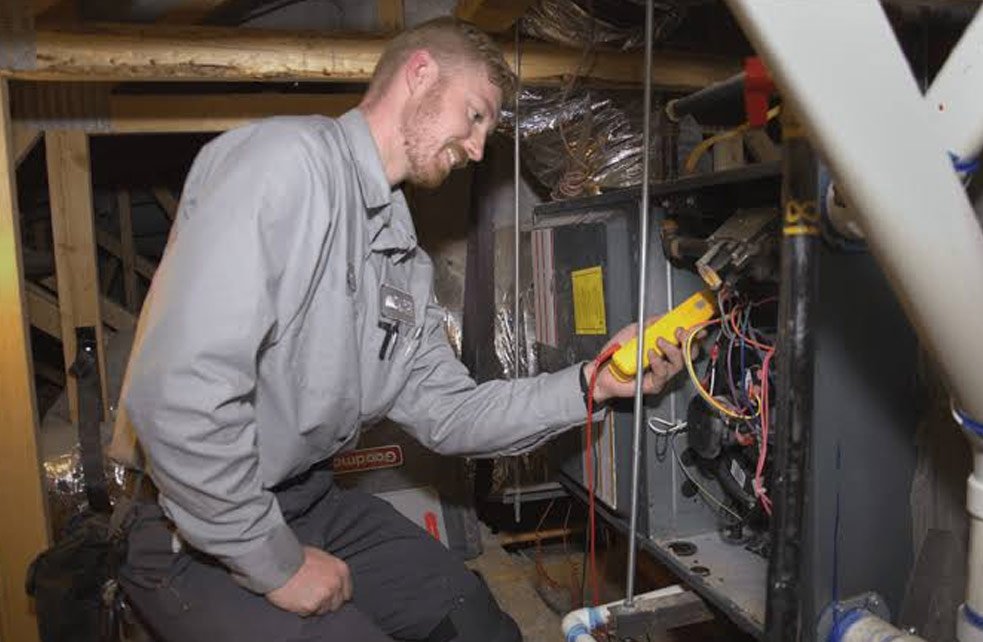
When a furnace stops working properly, it is not always easy to determine the cause of the problem. A system that will not start may have a thermostat concern, an electrical issue, a mechanical failure, or a problem involving safety controls. Similarly, weak heating performance can be caused by several different conditions. Replacing a part without identifying the actual source of the issue may fail to restore dependable operation and could result in unnecessary repair costs.Professional diagnosis allows HVAC technicians to evaluate the equipment systematically. The process may include checking thermostat operation, inspecting electrical components, evaluating airflow, examining accessible mechanical parts, and reviewing the overall performance of the heating system. The exact inspection depends on the furnace design and the symptoms being experienced.Professional furnace repair is especially valuable because it focuses on identifying the underlying cause of the problem. Once the source of the issue has been identified, the technician can explain the recommended repair and provide useful information about the condition of the equipment. This helps homeowners and property managers understand whether the system requires a relatively simple service or whether a more significant concern has developed.Accurate diagnosis can also support better long-term planning. If the furnace is older and has experienced repeated mechanical problems, the repair history may become useful when evaluating future replacement needs. Property owners can use this information to make decisions based on the actual condition and reliability of their heating equipment.
How Proper Airflow Supports Furnace Performance
Airflow is one of the most important parts of a forced-air heating system. The furnace must be able to move air through the equipment and distribute warm air through the duct system. When this process is restricted, the system may struggle to provide consistent indoor comfort.A dirty air filter is one of the simplest problems homeowners can inspect. Filters should be checked regularly and replaced according to their condition and the recommendations for the specific HVAC system. The appropriate replacement schedule can vary depending on filter type, system usage, indoor conditions, and the presence of pets or other sources of airborne debris.Supply vents and return openings should also remain unobstructed. When furniture or household items block important airflow paths, the heating system may have difficulty distributing warm air effectively. Keeping these areas clear is a simple step that can support more consistent comfort.However, not every airflow concern can be solved by changing a filter or moving furniture. Problems involving ductwork, blower components, or other internal parts may require professional inspection. If weak airflow continues after basic maintenance has been performed, an HVAC technician can evaluate the system and determine what is affecting normal operation.
Furnace Repair for Residential Heating Systems
A furnace problem can quickly create discomfort in a residential property. Families depend on heating equipment to maintain comfortable indoor conditions in bedrooms, living areas, kitchens, and other frequently used spaces. When the system is unable to provide consistent warmth, daily activities can become more difficult.Homeowners should monitor changes in heating performance and arrange professional service when unusual symptoms continue. A furnace that takes longer than normal to heat the property, produces unfamiliar sounds, or cycles frequently may require inspection. Basic checks such as reviewing thermostat settings and inspecting the air filter can be helpful, but complicated repairs should be left to trained HVAC professionals.Fuel connections, electrical components, internal controls, and specialized mechanical parts require professional knowledge. Attempting complex repairs without appropriate training can create safety concerns and may cause additional damage to the equipment.A qualified technician can evaluate the system and explain what type of repair is necessary. This provides homeowners with useful information about the condition of their furnace and helps them make informed decisions about maintenance and future equipment planning.
Heating Problems in Commercial Properties
Commercial properties often have different heating demands than residential homes. Offices, retail spaces, work areas, and other commercial environments may depend on HVAC equipment to maintain comfortable conditions for employees, customers, and visitors.An unexpected furnace failure can affect productivity and normal business operations. Some commercial heating systems may also be more complex than standard residential equipment, requiring technicians with the appropriate knowledge and experience.Building managers can support reliable system operation by monitoring heating performance and maintaining accurate service records. Changes in energy usage, equipment noise, operating cycles, and indoor comfort can provide useful information when professional service is required.Regular maintenance is particularly important for commercial equipment because frequent operation can contribute to normal mechanical wear. Preventive service can provide an opportunity to inspect the system and identify concerns before they result in unexpected downtime.
Why Timely Repairs Can Prevent Additional Damage
Delaying a furnace repair can sometimes allow a developing problem to become more serious. A damaged component may affect other connected parts of the heating system, causing them to operate under additional stress. What begins as a relatively small mechanical concern may eventually contribute to a more extensive system failure.For example, an unusual sound from a moving component may indicate excessive wear. Continued operation could potentially increase the stress on the affected part and other connected equipment. Similarly, an airflow restriction can cause the system to work harder than intended, which may affect overall performance.Prompt furnace repair allows an HVAC professional to inspect the equipment and address the source of the problem before unnecessary damage develops. Early service may also reduce the inconvenience associated with a complete heating system breakdown.Property owners should not assume that unusual symptoms will disappear without professional attention. If a problem continues or becomes more noticeable, arranging an inspection can provide valuable information and help determine the appropriate next steps.
The Connection Between Maintenance and Repair Needs
Preventive maintenance can play an important role in supporting long-term furnace performance. Although routine service cannot prevent every possible mechanical failure, it can help identify signs of wear and developing problems before they become more serious.Professional maintenance may include inspecting important components, evaluating system operation, checking controls, reviewing airflow, and identifying conditions that may require future attention. The exact maintenance process depends on the type and condition of the heating equipment.Homeowners can support professional maintenance by replacing filters when needed and monitoring changes in furnace performance. Keeping supply and return vents clear can also help support normal airflow.A documented service history can be useful as the equipment ages. Records of maintenance visits and repairs can help identify recurring concerns and provide useful information when homeowners need to decide whether continued repairs remain practical.
When Repair May Be a Better Option Than Replacement
A furnace problem does not always mean that the entire heating system needs to be replaced. In many situations, repairing a specific component can restore reliable operation. A newer furnace with an isolated mechanical issue may continue providing dependable service after an appropriate repair.The decision between repair and replacement depends on several factors. The age and overall condition of the equipment are important, but the repair history should also be considered. A system that has required multiple significant repairs may eventually become less practical to maintain.A professional HVAC technician can inspect the equipment and explain the available options. This allows property owners to understand the condition of the furnace and make a decision based on the specific circumstances rather than assuming that replacement is always necessary.Planning ahead can also reduce the pressure associated with a complete system failure. If an aging furnace is becoming less reliable, discussing future replacement options before an emergency occurs can provide more time for thoughtful decision-making.
Choosing the Right HVAC Repair Professional
Selecting a qualified HVAC professional is an important part of restoring dependable heating. The service provider should have experience working with the type of furnace installed in the property and should use an organized approach to diagnosis.Clear communication is also valuable. Homeowners and property managers should understand what caused the problem, what repair is recommended, and whether the technician identified any additional concerns. A professional should be able to explain the situation in understandable terms and provide practical information about the condition of the equipment.A reliable service provider focuses on identifying the actual cause of the problem rather than simply addressing the visible symptom. This approach can help improve the quality of the repair and provide property owners with greater confidence in the recommended service.
Reducing the Risk of Future Furnace Problems
Unexpected mechanical failures can occur, but a proactive approach may help reduce many avoidable heating problems. Regular professional inspections provide an opportunity to identify developing concerns before they lead to complete system failure.Homeowners should also pay attention to unusual sounds, reduced heating performance, frequent cycling, and changes in airflow. These symptoms can indicate that the HVAC system needs professional attention.Replacing air filters when necessary and keeping airflow paths clear are simple but important steps. Property owners should also keep the area around the furnace reasonably clean and accessible for future service.Maintaining a record of repairs and professional maintenance can provide useful information over time. Patterns involving repeated failures or declining performance may become easier to recognize when accurate records are available.
Creating a Long-Term Plan for Heating Equipment
Every furnace will eventually reach a stage where replacement planning becomes necessary. Monitoring equipment performance throughout its service life can help homeowners prepare for this decision before a complete failure creates an emergency.A professional evaluation can provide information about the condition of the heating system and the expected needs of the equipment. Property owners can use this information to plan for future expenses and consider available HVAC options.Long-term planning also provides an opportunity to evaluate related system components. Ductwork, thermostats, airflow, and other parts of the HVAC system can influence overall heating performance.By taking a proactive approach, homeowners and property managers can make better decisions about repairs, maintenance, and eventual equipment replacement.
Conclusion
A dependable furnace is essential for maintaining comfortable indoor conditions, and heating problems should receive appropriate attention when they begin affecting system performance. Unusual noises, inconsistent temperatures, reduced airflow, frequent cycling, and unexpected shutdowns can all indicate that the heating equipment requires professional evaluation.Professional furnace repair helps identify the underlying cause of a heating problem and provides an appropriate solution based on the actual condition of the equipment. Accurate diagnosis is important because similar symptoms can result from different mechanical, electrical, airflow, or control-related concerns.Regular maintenance, proper filter care, clear airflow paths, and prompt attention to warning signs can all support the long-term performance of a heating system. Although no furnace can avoid every unexpected mechanical problem, proactive care can help reduce unnecessary stress and identify certain concerns before they become more serious.By working with qualified HVAC professionals and maintaining a consistent approach to system care, homeowners and property managers can protect their heating equipment and support reliable indoor comfort. Timely service, informed decision-making, and ongoing maintenance can help a furnace continue operating effectively while providing the dependable warmth needed throughout the heating season.
