


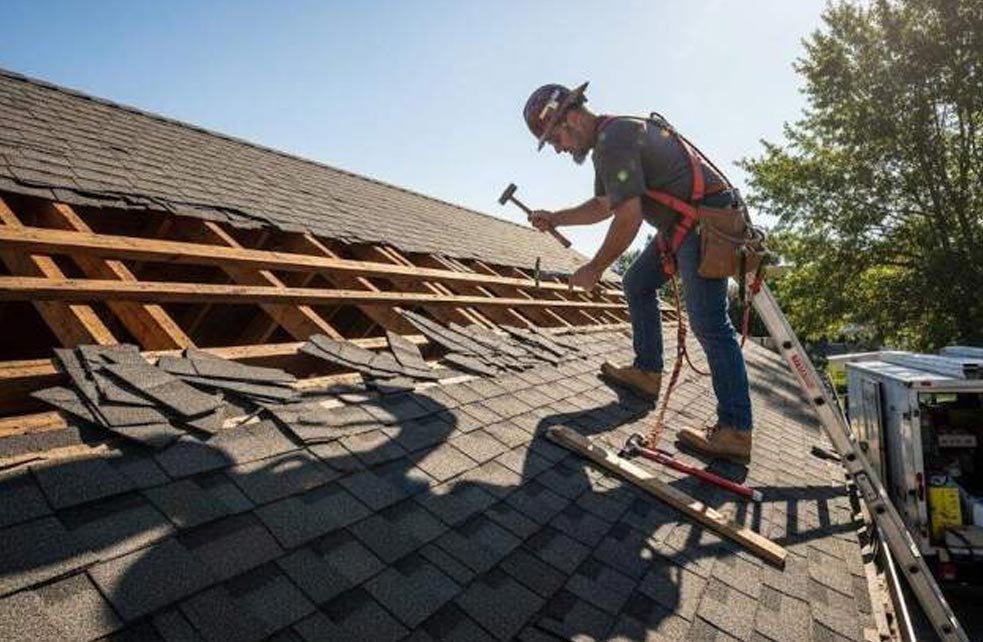
A roof is one of the most important protective components of any property. It shields the structure from rain, wind, sunlight, moisture, debris, and changing temperatures while helping maintain the comfort and safety of the interior. However, even a well-installed roofing system can eventually experience wear and damage. Missing shingles, cracked materials, damaged flashing, loose fasteners, deteriorated seals, blocked drainage, and storm damage can all affect how effectively a roof performs. Addressing these problems promptly through professional Roofing Repairs can help prevent minor defects from developing into more extensive and expensive roofing failures.
Roof damage does not always appear as a dramatic leak. In many cases, deterioration develops gradually and remains unnoticed until moisture reaches the interior of the property. Water may travel beneath roofing materials before becoming visible as a ceiling stain or damp wall. Other warning signs may include granules collecting around gutters, curling shingles, visible cracks, sagging areas, damaged flashing, or recurring moisture in attic spaces. Understanding these signs and arranging a professional inspection when they appear can help property owners protect the roof and the structure beneath it.
Why Timely Roof Repairs Are Important
Delaying a roofing problem can make a relatively simple repair much more complicated. A small opening in a roof can allow water to enter repeatedly during rainfall. Over time, moisture may affect underlayment, decking, insulation, framing, drywall, and other building materials. What begins as a localized roofing issue can eventually become a broader restoration project.
Timely repairs provide an opportunity to address the source of the problem before it spreads. Replacing a damaged shingle, repairing flashing, sealing an appropriate joint, or correcting a drainage problem may prevent further deterioration when completed at the right time. Prompt attention can also help property owners avoid emergency repairs that may be more disruptive and expensive.Regular maintenance is particularly useful for older roofs because aging materials are more likely to develop weaknesses. A professional can monitor areas of concern and recommend repairs based on the actual condition of the roofing system.
Common Causes of Roofing Damage
Roofing systems are exposed to many environmental stresses throughout their service life. Strong winds can lift or tear shingles, while heavy rainfall can expose weaknesses around flashing, valleys, seams, and penetrations. Hail and falling branches can puncture or crack roofing materials, while continuous sunlight can gradually cause certain materials to become brittle or deteriorated.Normal aging is another common cause of roofing problems. Shingles can lose protective granules, sealants can deteriorate, flashing can corrode, and fasteners can loosen. The rate of deterioration depends on the roofing material, installation quality, maintenance history, and environmental exposure.Poor installation can also contribute to premature roof damage. Incorrect fastening, inadequate flashing, poor ventilation, and improper drainage can create vulnerabilities that may not become obvious until months or years later. Professional inspection is therefore important when determining not only what is damaged but also why the damage occurred.
Warning Signs That Your Roof Needs Attention
Property owners should learn to recognize the early signs of roofing deterioration. Missing or damaged shingles are among the easiest problems to notice, but other signs may require closer inspection. Curling, cracking, blistering, or unusually worn shingles can indicate that the roofing material is aging or has experienced significant exposure.Interior warning signs can be equally important. Water stains on ceilings or walls, damp insulation, musty odors, peeling paint, and recurring moisture may indicate that water is entering through the roofing system. However, the location of an interior stain does not always identify the exact source of the leak because water can travel along roof decking and framing.Sagging areas should receive prompt professional attention. A sagging roof may indicate moisture damage, deteriorated decking, or another structural concern. Rather than waiting for the condition to become severe, property owners should arrange an inspection as soon as a significant warning sign is discovered.
The Importance of Professional Roof Inspections
A professional inspection provides a more complete understanding of the condition of the roofing system. Instead of focusing only on visible damage, an experienced roofing professional can examine shingles, membranes, flashing, roof edges, valleys, penetrations, drainage components, and other vulnerable areas.Leak detection can be particularly challenging because water does not always enter directly above the location where it appears indoors. Professionals may need to trace moisture pathways and inspect several areas before identifying the source.An inspection can also determine whether a roof is suitable for localized repairs or whether broader replacement work may be necessary. If the majority of the roofing system remains in good condition, targeted repairs may provide an effective solution. If deterioration is widespread or the roof is approaching the end of its service life, replacement may provide better long-term value.
Repairing Damaged Shingles
Shingles can be damaged by wind, impact, aging, moisture, and improper installation. Missing or cracked shingles expose the underlying roofing layers to weather and create potential pathways for water. Replacing damaged shingles promptly can help restore the protective surface.A proper repair should include an assessment of the surrounding shingles. If neighboring materials are also brittle or deteriorated, replacing only one damaged shingle may not address the broader issue. Professionals can evaluate whether the damage is isolated or part of a larger pattern.Replacement shingles should be installed carefully and secured according to the requirements of the roofing system. Proper alignment, fastening, and sealing help reduce the risk of future movement or water intrusion.
Repairing Roof Flashing
Flashing protects vulnerable areas where different roofing surfaces meet. It is commonly found around chimneys, skylights, vents, walls, valleys, and roof edges. Because these areas involve transitions and joints, they can become common sources of leaks when flashing is damaged or improperly installed.Flashing may deteriorate because of corrosion, weather exposure, movement, or aging sealants. Applying a quick layer of sealant may not provide a lasting solution if the flashing itself is damaged. In some cases, the component must be repaired or replaced.Professional inspection can determine whether the flashing is responsible for a leak and whether surrounding materials have also been affected. Correctly addressing flashing problems can significantly improve the roof’s ability to manage water.
Addressing Roof Leaks
Roof leaks should never be ignored, even when they appear small. Water can enter through a damaged shingle, failed flashing, open seam, deteriorated seal, or another vulnerable point. Once inside, it can travel through the roofing assembly before reaching an interior surface.A professional leak repair should focus on locating and correcting the source. Simply covering an interior stain does not solve the roofing problem. If moisture continues entering the roof, the damage may return and become more extensive.After a leak is repaired, affected interior materials should also be evaluated. Insulation, drywall, wood, and other materials may require attention depending on how long the moisture has been present and how extensive the intrusion has become.
Roofing Repairs After Storm Damage
Severe weather can cause sudden roofing damage. Strong winds may lift shingles or loosen metal panels, while hail and falling debris can create punctures or cracks. Heavy rainfall can then enter through these vulnerable areas.A professional inspection after a significant storm can identify damage that may not be visible from the ground. Property owners should avoid walking on the roof themselves, particularly when surfaces are wet or materials have become loose.Storm repairs should focus on restoring the roof’s weather-resistant barrier. Temporary protection may sometimes be necessary to prevent additional water intrusion while permanent repairs are arranged. The long-term repair should address the damaged components rather than simply covering the symptoms.
The Role of Gutters and Drainage
Roof performance is closely connected to drainage. Gutters and downspouts help collect rainwater and direct it away from the roof edges and building. When gutters become clogged, water can overflow and affect fascia, siding, walls, and other exterior components.Regular gutter cleaning can reduce these risks. During a roofing inspection, professionals can also examine gutters, downspouts, roof valleys, scuppers, and other drainage paths for signs of blockage or damage.Standing water can be especially concerning on low-slope and flat roofs. If water repeatedly remains on the same section of a roof, the problem may involve inadequate drainage or an issue with the roof’s slope. Professional evaluation can help determine the appropriate correction.
Roof Ventilation and Moisture Control
Proper ventilation helps regulate temperature and moisture conditions in attic spaces. Poor ventilation can contribute to condensation, excessive heat, and deterioration of roofing components over time.When roofing repairs or replacement work is performed, ventilation should be evaluated as part of the overall system. Improvements may be appropriate if existing ventilation is contributing to moisture problems or premature material deterioration.Moisture control is important because roofing damage is not limited to water entering from outside. Indoor humidity can also affect attic conditions when ventilation and insulation are inadequate. A properly designed roofing assembly should account for both exterior water protection and interior moisture management.
When Localized Repairs Are Appropriate
Not every roofing problem requires complete replacement. Localized repairs can be effective when damage is limited and the majority of the roof remains in good condition. Repairing a few damaged shingles, replacing a section of flashing, correcting a small leak, or addressing a localized drainage problem may extend the life of the existing roof.The decision should be based on the overall condition of the system. If the roof is relatively young and has experienced isolated damage, repair may be the most practical solution. If multiple areas are failing and the roofing material is significantly aged, repeated repairs may become less economical.A professional inspection provides the information needed to make this decision. Property owners should consider both immediate repair costs and the expected future maintenance requirements of the roof.
When Roof Replacement Makes More Sense
There is a point when continued repairs may no longer provide good long-term value. Widespread deterioration, recurring leaks, severe storm damage, structural problems, and an aging roofing system can all indicate that replacement should be considered.A replacement project allows the contractor to remove deteriorated materials and inspect the underlying structure. Damaged decking, outdated flashing, inadequate ventilation, and drainage concerns can be addressed before the new roofing system is installed.Although replacement involves a larger initial investment, it may provide greater reliability when the existing roof has reached the end of its useful life. A professional assessment can help property owners understand whether replacement is necessary or whether repairs remain a reasonable option.
Maintaining Your Roof After Repairs
Completing a repair should not be considered the end of roof maintenance. Regular inspections can help identify new issues before they become serious. Property owners should monitor the roof after major storms and watch for signs such as missing materials, leaks, damaged flashing, or unusual water accumulation.Keeping gutters clear is another important maintenance task. Leaves, branches, dirt, and other debris can block drainage and cause moisture problems. Nearby trees should also be maintained so branches do not repeatedly contact the roof.Property owners can benefit from keeping records of repairs and inspections. These records can provide useful information about recurring problems and help determine when larger maintenance or replacement work may be appropriate.
Choosing a Qualified Roofing Professional
The quality of a roofing repair depends heavily on the contractor performing the work. Property owners should look for professionals who provide detailed inspections, clear explanations, written estimates, and appropriate repair recommendations.A reliable contractor should be willing to explain the source of the problem and describe how the proposed repair will address it. Estimates should identify the materials, labor, affected areas, and any additional work that may be required.Experience with the specific roofing material is also important. Asphalt shingles, metal roofing, flat roofing membranes, and other systems require different repair techniques. A knowledgeable professional can select appropriate materials and methods for the existing roof.
Why Quality Workmanship Matters
A repair may look successful initially but fail later if the underlying cause was not addressed or if the repair was improperly installed. Quality workmanship involves more than covering damaged areas. It requires careful preparation, appropriate materials, proper fastening, correct flashing, and attention to surrounding components.Professional repairs should also consider how the repaired area interacts with the rest of the roofing system. A damaged section may be connected to a drainage problem, ventilation issue, or deteriorated adjacent material. Addressing these related concerns can help prevent recurring failures.Quality workmanship can therefore provide better long-term value than temporary solutions that only delay the problem.
Protecting Your Roofing Investment
A roof represents a significant investment in the property, and regular maintenance can help protect that investment. Prompt repairs can prevent small problems from spreading, while routine inspections provide valuable information about the roof’s condition.Property owners should think of maintenance as a preventative strategy rather than an emergency response. Addressing minor deterioration early can reduce the possibility of extensive water damage and help extend the useful life of the roofing system.A proactive approach can also make future replacement planning easier. When property owners understand the age and condition of their roof, they can budget for eventual replacement instead of being forced into an unexpected emergency project.
Conclusion
Roofing damage can develop gradually or occur suddenly after severe weather, but in either situation, prompt professional attention is important. Damaged shingles, failed flashing, leaks, drainage problems, ventilation concerns, and deteriorated roofing materials can all reduce the ability of a roof to protect the property. Early inspection and proper repairs can help control these issues before they become larger structural concerns.
Professional roofing repairs provide more than a temporary solution when they are performed correctly. A qualified contractor can identify the source of the damage, repair affected materials, inspect surrounding areas, and recommend preventative measures that support long-term roof performance. When a roof has reached the end of its serviceable life, the same evaluation can help determine whether replacement is a better option.For property owners seeking dependable roofing solutions, working with an experienced roofing repairs can provide professional support for repairs, inspections, metal roofing, shingle roofing, flat roofing, roof tear off, and replacement projects. With proper workmanship and consistent maintenance, timely repairs can help preserve the roof’s protective function, reduce avoidable damage, and extend the useful life of the entire roofing system.
