


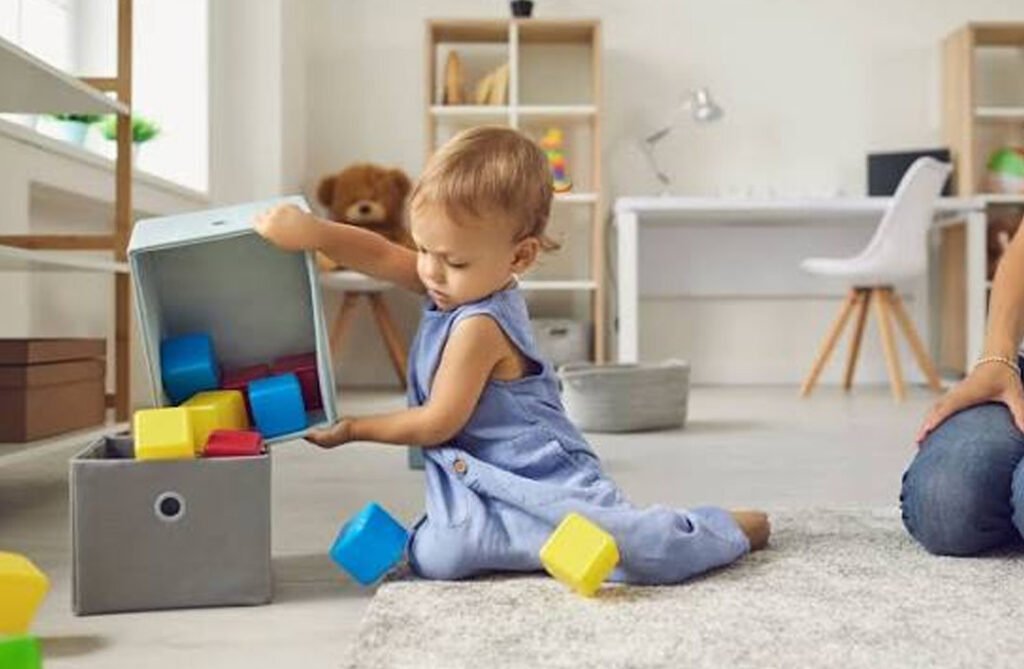
Supporting a child’s growth at home involves much more than helping with homework or completing daily routines. Children develop through repeated experiences, positive relationships, communication, play, and opportunities to practice new skills. For families involved with Applied Behavior Analysis (ABA), home can provide a valuable environment where children can use skills learned during structured support in practical and meaningful situations. Parents do not need to recreate professional therapy sessions at home to make a difference. Instead, they can learn appropriate strategies, communicate regularly with professionals, and incorporate useful learning opportunities into everyday activities. Understanding a child’s individual strengths and needs can help parents respond with greater confidence and consistency. Effective ABA support for parents should focus on practical strategies that promote communication, learning, independence, positive behavior, and participation while also respecting the child’s individual needs and family routines.
Understand Your Child’s Individual Needs
Every child has a unique combination of strengths, interests, communication abilities, learning preferences, and challenges. Because of these differences, strategies that work well for one child may not work in exactly the same way for another. Parents can begin by learning about their child’s current goals and asking the professional team to explain what each goal means in everyday life. Goals may involve communication, self-care, social interaction, play, following directions, learning readiness, independence, or behaviors that interfere with participation. Understanding the purpose of these goals can help parents recognize meaningful progress and identify opportunities to practice skills naturally. Parents also have valuable information because they observe their child across many daily situations. Sharing these observations with professionals can help ensure that support remains individualized and relevant.
Create a Positive Home Environment
A supportive environment can make it easier for children to participate in learning and everyday activities. Parents can create predictability by maintaining reasonable routines, using clear expectations, and preparing children for changes when possible. Encouragement can also help children feel more comfortable attempting unfamiliar tasks. Positive reinforcement may be used when a child demonstrates appropriate behavior or makes an effort to develop a new skill, depending on the individualized plan created by qualified professionals. Parents should remember that a positive home environment is not one in which every moment is focused on therapy. Children need time to relax, play, explore interests, and enjoy relationships with family members. A balanced environment can provide learning opportunities while preserving family connection and making the home a comfortable place for everyone.
Incorporate Learning Into Everyday Routines
Many everyday activities can become opportunities to practice useful skills without turning the entire day into structured instruction. Mealtimes, dressing, brushing teeth, cleaning up, preparing snacks, playing games, reading books, and getting ready for bed can all involve communication, sequencing, following directions, and independence. Parents can ask their child’s therapy team which routines are most appropriate for practicing current goals. For example, a child working on requesting can practice asking for preferred items during meals, while a child developing self-care skills can participate in manageable steps of getting dressed. Repeated practice in familiar situations may help children understand how skills apply to real life. One valuable aspect of ABA support for parents is learning how to recognize these natural opportunities and use them in ways that are appropriate for the child.
Encourage Functional Communication
Communication is essential for helping children express needs, preferences, emotions, questions, and ideas. Parents can create opportunities for communication by offering choices, encouraging requests, responding to attempts, and allowing children time to express themselves. Communication does not always involve spoken language. Depending on the child, communication may involve gestures, signs, pictures, communication devices, or other appropriate methods. Parents should follow guidance from qualified professionals when supporting a particular communication system. It is also important to avoid assuming that a child is not communicating simply because they are not using speech. The goal is to help the child communicate in a functional and meaningful way. Giving children appropriate opportunities to communicate can support greater independence and reduce situations in which they may struggle to express what they need.
Use Clear and Simple Instructions
Children may find complicated instructions difficult to understand, particularly when several directions are given at once. Parents can make everyday tasks more manageable by using clear language and breaking activities into smaller steps when appropriate. Visual support, demonstrations, gestures, or other prompts may also be helpful for some children. Parents should discuss these strategies with the therapy team so they understand which supports are appropriate and how to gradually reduce assistance when the child becomes more independent. Giving a child enough time to process an instruction can also be important. Repeating directions too quickly or immediately completing the task for the child may reduce opportunities for independent responding. Clear instructions should help children understand expectations rather than create unnecessary pressure.
Use Positive Reinforcement Thoughtfully
Positive reinforcement is an important concept in ABA, but effective reinforcement depends on the individual child and situation. A preferred toy, activity, praise, attention, or another experience may be motivating for one child but not another. Preferences can also change as children develop new interests. Parents can work with qualified professionals to understand what types of reinforcement are appropriate and how they should be used. Reinforcement does not need to mean giving a material reward every time a child completes something. Natural consequences and meaningful experiences can also support learning. For example, completing part of a routine may allow a child to move on to a preferred activity. The purpose is to encourage useful behaviors and skills while gradually helping children participate more independently.
Support Independence One Step at a Time
Independence develops gradually, and children may need different levels of support depending on the task. Parents can encourage independence by allowing children to attempt manageable parts of everyday activities before stepping in. A child learning to get dressed, for example, may initially need assistance with several steps but may eventually be able to complete some steps without help. Professionals can teach parents how to provide appropriate prompts and reduce assistance as skills develop. Parents should avoid expecting a child to complete a task independently before they have learned the necessary skills. Breaking activities into smaller steps can make success more achievable. ABA support for parents can help families understand how to encourage participation while providing the right amount of assistance for the child’s current abilities.
Understand Challenging Behaviors
Challenging behaviors can be stressful for both children and parents, but responding thoughtfully can help families understand what may be happening. Behavior can sometimes be connected to communication difficulties, changes in routine, task demands, attention, access to preferred activities, environmental factors, or other circumstances. Parents can observe what happens before and after a behavior and share those observations with qualified professionals. This information may help the therapy team understand patterns and develop an individualized approach. Parents should not attempt complex behavior-reduction procedures without appropriate professional guidance, especially when safety is involved. Support should focus not only on reducing behaviors that interfere with daily life but also on teaching useful alternatives, such as functional communication or appropriate coping skills.
Practice Skills Across Different Situations
Learning a skill in one environment does not always mean a child will immediately use that skill everywhere. Children may need opportunities to practice skills with different people, materials, activities, and routines. Parents can help by gradually introducing learned skills into natural situations after discussing appropriate methods with the therapy team. For example, a communication skill practiced during a therapy activity might later be practiced during meals, play, or family interactions. A self-care skill may also be practiced during different daily routines. Parents should remain patient because transferring skills across environments can take time. The goal is to help children use abilities naturally and meaningfully rather than limiting them to a particular setting. Consistent practice can provide children with more opportunities to discover when and how a skill is useful.
Maintain Communication With Professionals
Parents and professionals can work together more effectively when communication remains open and regular. Parents can share information about changes in routines, new interests, successful strategies, challenging situations, and emerging skills. Professionals can use this information to better understand how the child is functioning outside structured sessions. Parents can also ask questions about goals, progress, reinforcement, prompting, communication strategies, and ways to practice skills at home. If a recommended strategy is difficult to use within the family’s routine, parents should discuss the problem rather than feeling pressured to implement something that is not sustainable. ABA support for parents works best when families and professionals share information and make reasonable adjustments based on the child’s progress and everyday needs.
Encourage Social Interaction
Social development can be supported through ordinary interactions with family members and other familiar people. Parents can create opportunities for children to practice taking turns, requesting, sharing attention, responding to another person, participating in games, and engaging in conversations. Social opportunities should be appropriate for the child’s current abilities and should not create unnecessary pressure. Parents can ask professionals for strategies that encourage meaningful interaction while respecting the child’s communication style and preferences. Simple activities such as playing a board game, reading together, cooking, or working on a shared project can provide opportunities for social learning. The objective should be meaningful participation rather than forcing a child to interact in a particular way. Positive and manageable interactions can help children gradually build confidence in social situations.
Make Learning Enjoyable
Children can learn important skills while participating in activities they already enjoy. Games, books, music, crafts, puzzles, movement, cooking, and imaginative play can all provide opportunities to practice communication and learning. Parents can ask the therapy team how current goals can be incorporated into preferred activities. A child who enjoys puzzles might practice requesting help, identifying objects, following instructions, or taking turns during puzzle play. A child who enjoys music might practice imitation, communication, or following simple directions through songs. Making learning enjoyable can help maintain engagement and reduce unnecessary pressure. Parents should also protect time for activities that have no learning objective because children need opportunities to simply enjoy themselves and build positive relationships with their caregivers.
Give Children Time to Respond
Children may need additional time to understand questions, process instructions, or decide how they want to communicate. Parents sometimes provide assistance too quickly because they want to prevent frustration or keep a routine moving. However, an appropriate pause can give a child an opportunity to respond independently. Parents can ask professionals how much wait time is appropriate for their child and when a prompt should be provided. The goal is not to make the child wait unnecessarily but to provide enough time for processing and participation. This can be especially important when a child is developing communication skills. Over time, consistent opportunities to respond may help children become more confident in expressing themselves and participating in everyday interactions.
Keep Family Routines Realistic
Families have many responsibilities, and it is important that developmental strategies fit realistically into everyday life. Parents may have work, household responsibilities, other children, appointments, social commitments, and personal needs. Trying to implement too many strategies simultaneously can become overwhelming. Families can work with professionals to identify the most practical strategies for their current priorities. A small number of strategies used consistently may be easier to maintain than a complicated plan that creates stress. Parents should communicate when a recommendation does not fit their routine and ask whether it can be adapted. A successful home approach should support the entire family rather than making every interaction feel like a therapy session. Realistic routines can make it easier to remain consistent over the long term.
Celebrate Small Achievements
Children’s progress can sometimes be easier to notice when parents pay attention to small improvements. A child may independently complete one step of a routine, communicate a request more clearly, participate in a new activity, wait for a short period, respond to an instruction, or ask for assistance instead of becoming frustrated. These achievements may represent meaningful progress even when they appear small to others. Parents can provide genuine encouragement and share these observations with the therapy team. Looking at progress over weeks or months can provide a more accurate picture than focusing on a single difficult day. ABA support for parents should encourage families to recognize gradual development and understand that meaningful progress can involve many small steps rather than one dramatic change.
Take Care of Parental Wellbeing
Parents also need support, rest, and opportunities to recharge. Helping a child develop new skills can require patience and consistent attention, and families may experience periods of stress or uncertainty. Parents can consider sharing responsibilities when possible and seeking appropriate support from trusted people or professionals. It is also important to remember that no parent responds perfectly to every situation. There may be difficult days, unexpected changes, or routines that do not go according to plan. These experiences are part of family life. Taking care of parental wellbeing can help families maintain sustainable routines and positive relationships. ABA support for parents should therefore include practical approaches that respect the needs of caregivers as well as the developmental needs of the child.
Adapt Strategies as Your Child Grows
Children’s abilities, interests, and needs can change over time. A strategy that was appropriate at one stage may eventually need to be adjusted as the child develops greater independence or encounters new challenges. Parents can regularly communicate with professionals about whether current goals remain meaningful and whether support should be modified. Changes may involve reducing prompts, introducing more complex skills, practicing abilities in new environments, or focusing on new areas of independence. Parents can also share changes they observe at home because these observations may help professionals identify emerging strengths and needs. Flexibility is an important part of individualized support. The purpose of an effective plan is not to maintain the same strategies forever but to adapt appropriately as the child develops.
Build a Collaborative Support System
Children often benefit when the important adults in their lives communicate and work toward compatible goals. Parents, therapists, teachers, caregivers, and other professionals may each see different aspects of a child’s abilities and challenges. Sharing appropriate information can help everyone understand what the child is learning and how those skills can be supported across daily environments. Parents can play an important role in coordinating communication and sharing meaningful observations from home. They can also ask professionals to explain strategies in practical terms so that caregivers understand how to apply them appropriately. A collaborative approach can reduce confusion and create more consistent opportunities for learning. ABA support for parents becomes more useful when it empowers families to participate in this collaborative process without expecting them to take on responsibilities beyond their role.
Final Thoughts
Supporting children’s growth at home is a gradual process that requires patience, consistency, understanding, and flexibility. Parents can contribute by learning about their child’s individual goals, encouraging functional communication, practicing useful skills during daily routines, supporting independence, and creating positive opportunities for learning. They can also work closely with qualified professionals to understand appropriate strategies and respond thoughtfully to challenges. Not every child will progress at the same pace, and successful development may involve many small achievements over time. Families should focus on meaningful skills that improve communication, participation, independence, and everyday quality of life. A supportive home environment should also allow children to play, relax, explore their interests, and enjoy relationships with their families. Ultimately, ABA support for parents is most effective when it provides practical guidance that can be incorporated into real family life while respecting the child’s individuality and the needs of everyone involved.
